Lawyer Wangenye: Rushed CBC rollout risks Kenya’s education future
Introduced in 2017, CBC replaced the 8-4-4 system, which critics argued relied too heavily on examinations and memorisation. The new system aims to focus on skills, competencies, creativity, critical thinking, and learner-centred outcomes. Its design aligns with the Constitution of Kenya 2010, Vision 2030, and global education trends prioritising practical skills over rote learning.
Kenya’s Competency-Based Curriculum (CBC) is facing growing criticism, with experts warning that poor planning and a rushed rollout are causing confusion for learners, parents, and teachers.
Lawyer and former Nyandarua County Education Executive Ndung’u Wangenye said the challenges reflect ignored warnings and stressed that reforms shaping a nation’s future require clear planning, careful implementation, and proper investment.
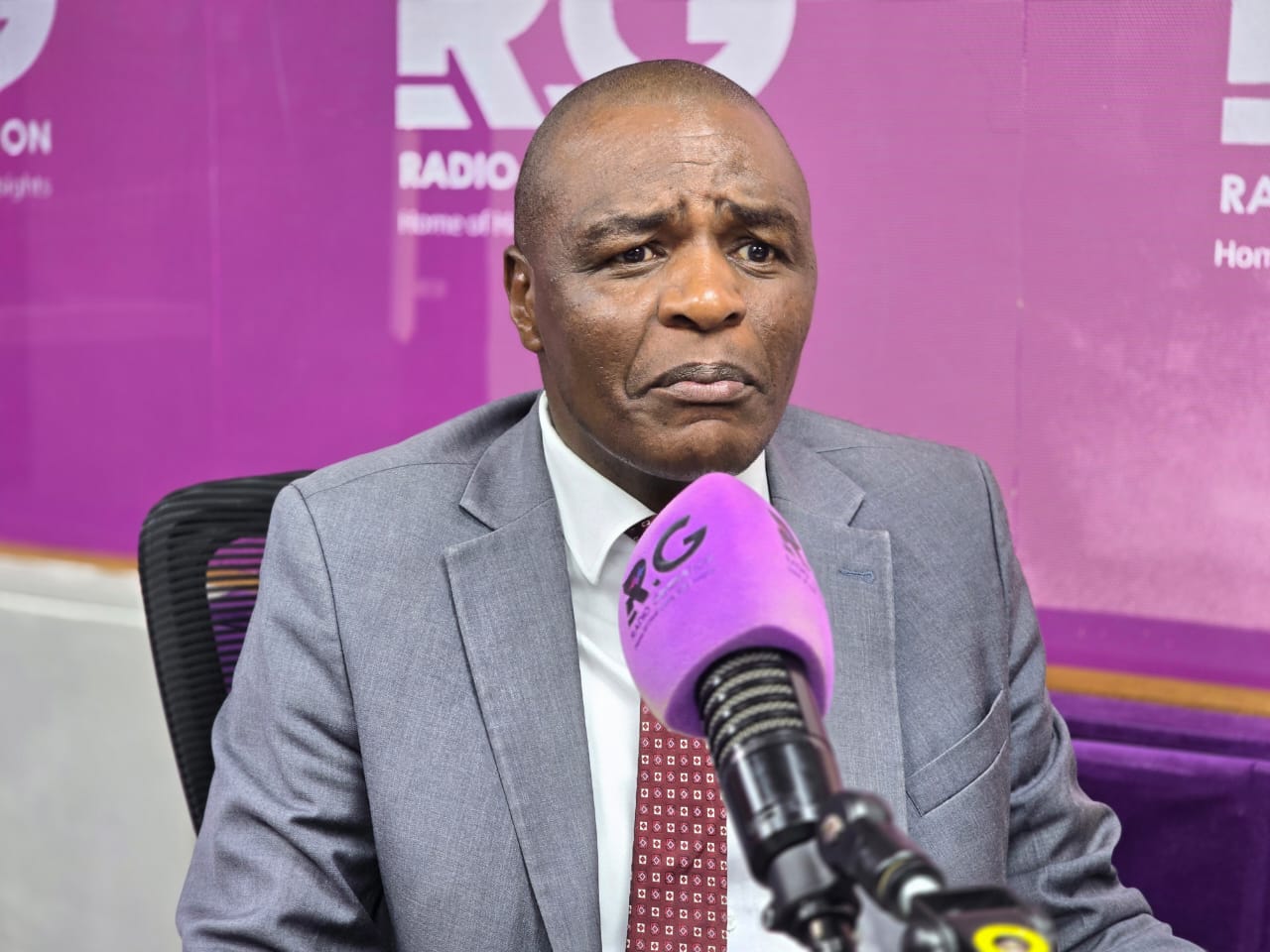
Speaking during a Radio Generation interview on Wednesday, Wangenye questioned how pathways such as sports and technical education are being implemented under the new system. “The confusion now facing parents, teachers and learners was avoidable,” he said.
Introduced in 2017, CBC replaced the 8-4-4 system, which critics argued relied too heavily on examinations and memorisation. The new system aims to focus on skills, competencies, creativity, critical thinking, and learner-centred outcomes. Its design aligns with the Constitution of Kenya 2010, Vision 2030, and global education trends prioritising practical skills over rote learning.
CBC follows a 2-6-3-3-3 structure, starting with pre-primary education and continuing through primary, junior secondary, and senior secondary levels. By 2025, the system has reached junior secondary, with preparations for senior secondary scheduled for 2026.
Despite these goals, challenges have emerged. Teachers, parents, and students are struggling with unclear pathways, limited infrastructure, insufficient learning materials, and questions about assessment and placement into senior schools.
Wangenye raised concerns over sports pathways, asking how learners identified as sprinters would be supported in schools without proper facilities, trained teachers, or coaches. “Sport is not merely running up and down in the morning but also requires intellectual grounding, literacy and numeracy, especially for athletes competing internationally,” he said.
He defended the reintroduction of mathematics in senior school, calling its earlier removal a major oversight. “Mathematics had always been a foundational subject,” he said, noting that even students in Arts and Social Sciences previously studied basic mathematics.
He questioned why curriculum designers tried to remove it, adding that the prolonged debate suggested deeper issues.
Reflecting on earlier education systems, Wangenye said the idea behind CBC was not entirely new. Kenya’s former 8-4-4 system and technical secondary schools allowed learners to specialise in areas like aviation, metalwork, woodwork, and networking, supported by equipped workshops and specialised teachers.
Students produced tangible items such as candle holders and key holders, with assessments based on practical competence rather than memorisation.
He warned that as assessment shifted to theoretical scoring, practical skills were gradually lost. CBC aimed to restore hands-on learning, but without the right facilities, equipment, and trained teachers, the reform risks repeating past mistakes.
Wangenye also criticised how the rollout was communicated. Key questions on whether junior secondary should be in primary or secondary schools, teacher onboarding, parental understanding, and syllabus clarity were unresolved before implementation began.
Tracing the reform to 2015, Wangenye said planning and budgeting looked solid on paper, but major flaws appeared during execution. Teachers trained for secondary education were placed in junior secondary schools and asked to teach up to 12 subjects they had not prepared for.
He praised the Presidential Working Party on Education Reform for engaging stakeholders directly, which allowed leaders to understand challenges on the ground. However, warnings through formal submissions, media, and forums were ignored.
The lawyer pointed to unrest among junior secondary teachers over workload and training gaps, and said confusion persists around senior school placement as students prepare to report despite unresolved issues. He questioned whether short retraining sessions could truly change teachers’ professional thinking shaped over years.
While he acknowledged it may now be impractical to reverse the reforms, Wangenye stressed the importance of education for the country’s future. “Decisions made today will shape Kenya’s social and economic trajectory for decades,” he said.




Comments
Sign in with Google to comment, reply, and like comments.
Continue with Google