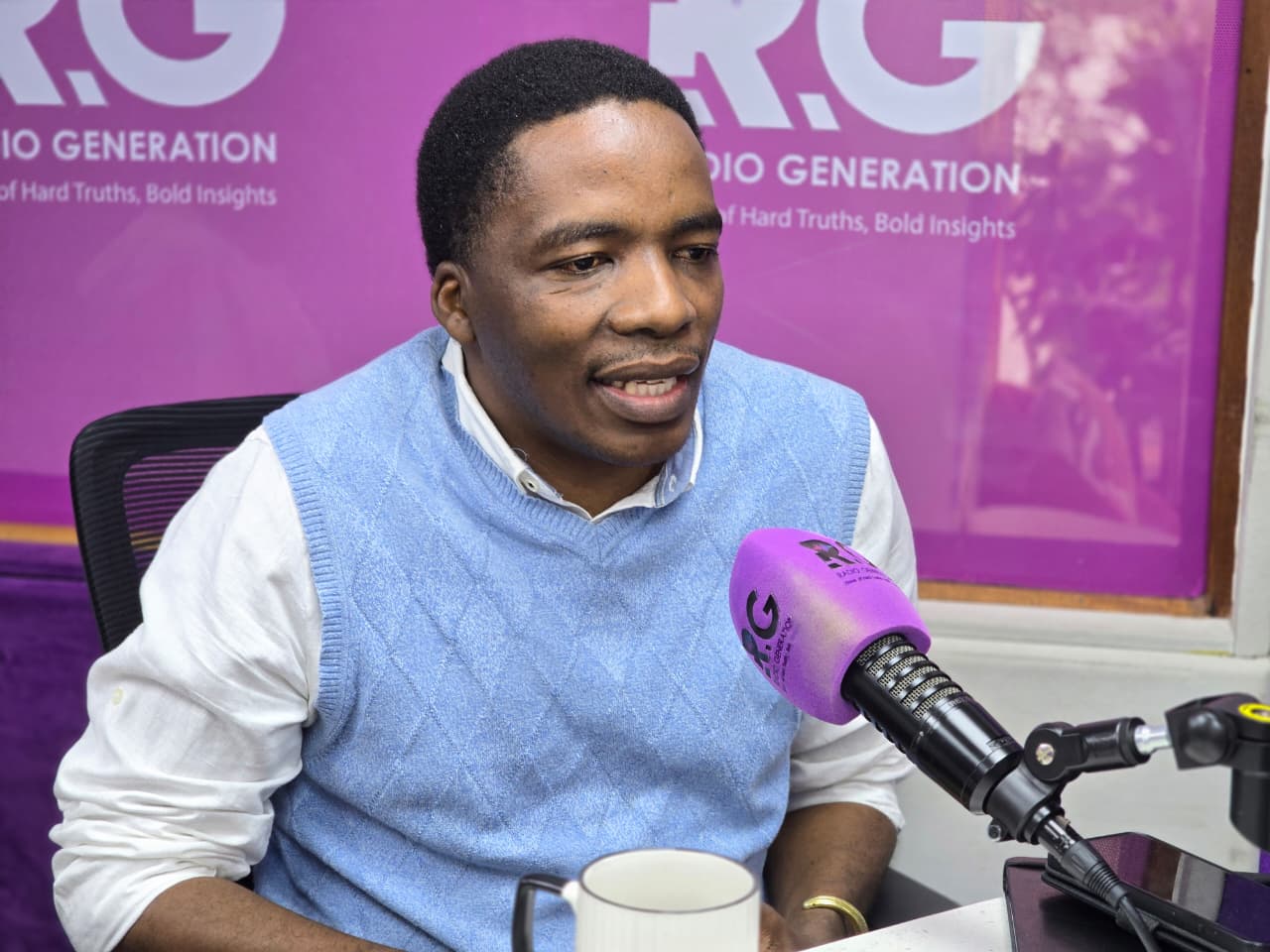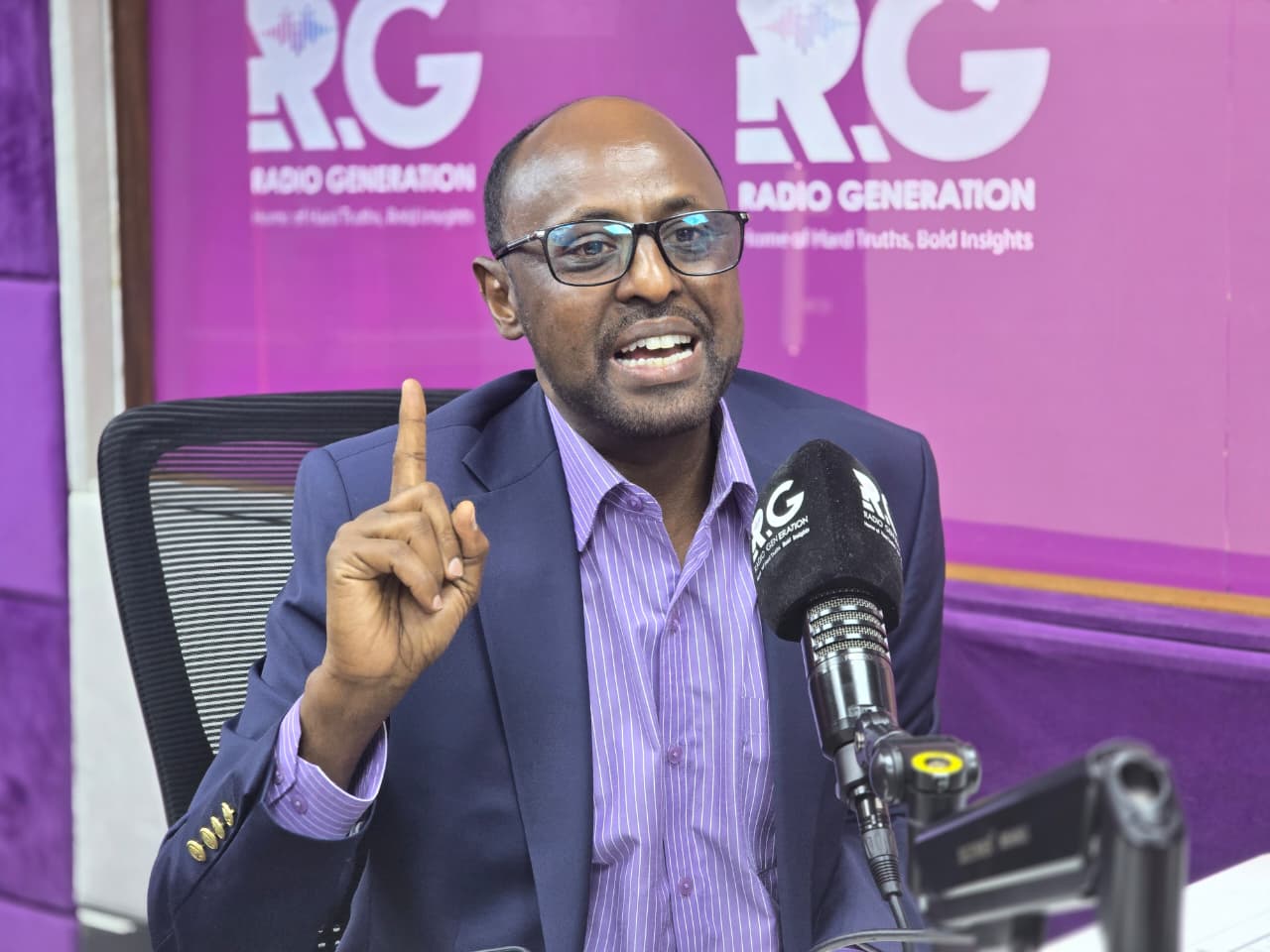
Education policy and strategy advisor Boaz Waruku has faulted senior school placement process, warning that ignored red flags have left thousands of learners stranded or forced into ill-prepared institutions under the Competency-Based Curriculum (CBC).
Speaking during an interview on Radio Generation, Waruku said that during the selection period, learners and parents rejected more than 3,600 out of 9,200 schools earmarked as senior schools, arguing they lacked the minimum standards to support learning pathways.
“They decided these ones are not good enough. They can’t even be called senior schools,” he said, noting that many consisted of “a compound with two structures and some trees where learners spend most of the time under that tree.”
Waruku said learners, aided by their parents, clearly understood what qualifies as a senior school, especially when asked to choose specialized pathways such as STEM, social sciences, arts, or sports.
“You are asking them to select pathways, but they are looking around and they don’t see anything that can give them confidence that they can land there and be mentored,” he said, adding that students naturally gravitate towards institutions with “the very basics” in place.
He described the rejection of these schools as a critical warning sign that should have triggered urgent government intervention.
“That red flag should not have been ignored. This was the ninth year after the formal rollout of CBC. Some serious planning should have been done,” Waruku said, calling for rapid-response monitoring to assess and regenerate struggling schools.
According to Waruku, the failure to act early has resulted in high-performing learners being denied their first-choice schools after they were told the few well-equipped institutions were already full.
“They scored very highly, and then they are told, ‘No, you can’t go to your first choice because they’re full. We only have a few of these schools,’” he said.
He also linked the crisis to gaps at the junior school level, where learners lacked adequate teacher support and learning tools. While senior schools were expected to offer catch-up support in Grade 10, Waruku said students are instead encountering “a lot of confusion and uncertainties,” with some still unplaced.
Waruku urged authorities to prioritize placing all learners in school while correcting unsustainable placements, including cases where students are sent “300 kilometres away from home in day schools.”
He further called for urgent teacher retraining and collaboration with TSC, teacher training institutions, and technical colleges to equip educators for CBC pathways.
“Not all schools have the right combination of teachers,” he said, warning that without swift reforms, Kenya risks failing an entire generation.