As Africa prepares for a crowded electoral calendar in 2026, attention is turning to how these votes could reshape political order, economic confidence, and regional cooperation across the continent.
For Kenya, the outcomes will matter well beyond headlines, as elections in key African states are closely tied to its trade interests, security priorities, and diplomatic engagements.
Kenya’s role as a regional gateway for commerce and diplomacy means that political shifts elsewhere in Africa often have direct consequences at home. Stability in neighbouring and strategic countries supports Nairobi’s push to strengthen its position as a centre for finance, transport, and technology. When elections descend into unrest or prolonged disputes, those ambitions face immediate strain.
Economic links are particularly vulnerable during election periods. Kenya’s growth strategy depends heavily on cross-border trade under frameworks such as the EAC and COMESA. Political instability in partner states can interrupt goods movement, raise costs for businesses, and weaken regional markets. These disruptions affect everything from port activity to government revenue and private sector confidence.
Kenya is also frequently called upon to respond when elections elsewhere lead to conflict. Its past involvement in peace efforts in South Sudan and the DRC highlights how contested polls can demand diplomatic engagement, mediation roles, or security support. Such commitments place added pressure on Kenya’s foreign policy and security resources.
Unstable political transitions in the region can also create humanitarian challenges. Countries bordering Kenya, including Uganda, Ethiopia, and South Sudan, remain sensitive to political shocks. Any escalation could trigger cross-border displacement, increasing pressure on local administrations and national support systems.
Against this backdrop, several elections planned for 2026 carry particular weight for Kenya’s economic and security outlook.
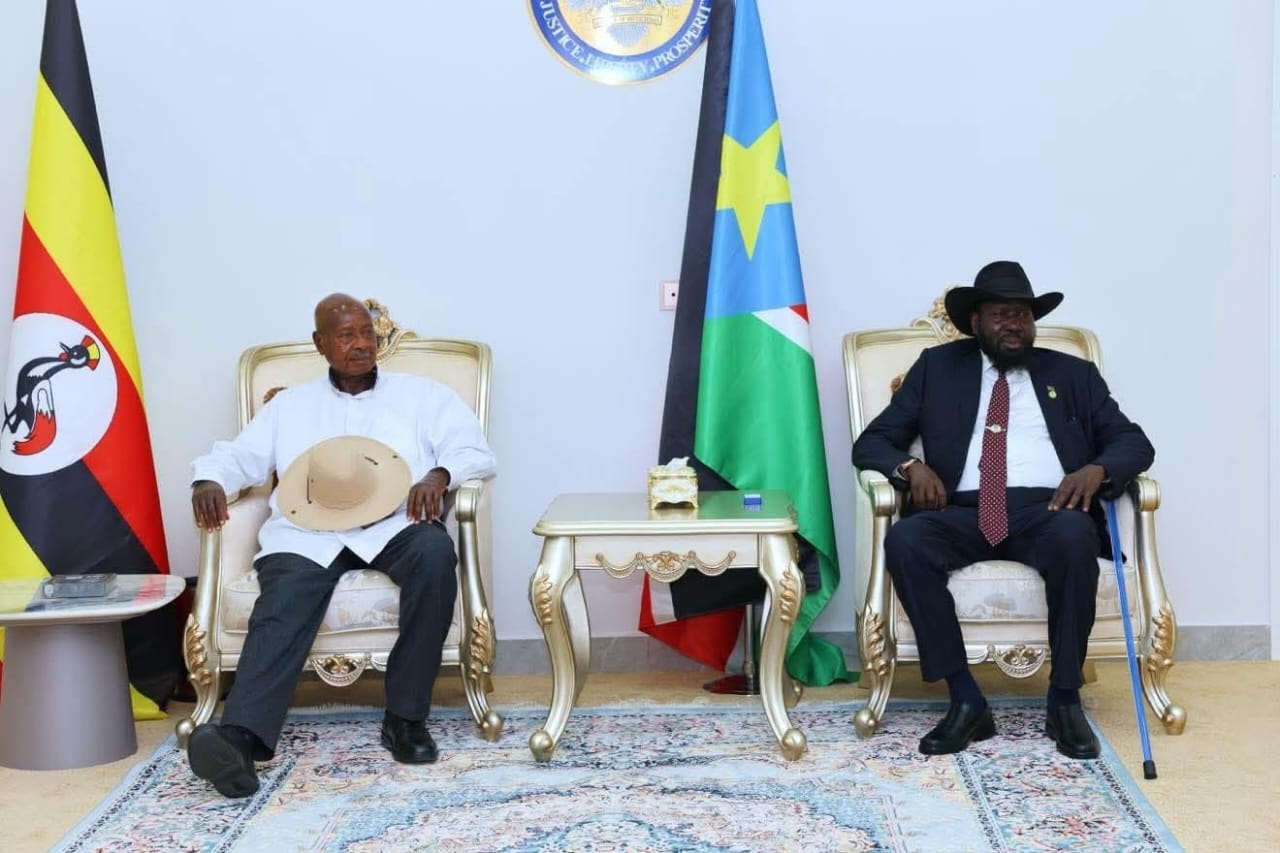
Uganda will vote on January 15, 2026, in a general election that includes incumbent President Yoweri Museveni. As one of Kenya’s closest neighbours and a major EAC trading partner, Uganda’s political climate is closely watched in Nairobi.
Analysts from the Center for Strategic and International Studies have flagged growing authoritarian approaches, while opposition groups accuse the state of deploying the military to disrupt their activities.
Political unrest in Uganda has previously affected the Northern Corridor, the main transport link between the port of Mombasa and the Great Lakes region, raising the risk of delays, higher transport costs, and reduced port revenue for Kenya.
Ethiopia is scheduled to hold its general election on June 1, 2026. As a central player in the Horn of Africa, Ethiopia’s stability is critical to the region. Kenya and Ethiopia share strong cooperation on security matters, including counter-terrorism, and on major infrastructure projects such as the Lamu Port–South Sudan–Ethiopia–Transport Corridor.
A peaceful election outcome would support border security and ongoing development efforts, while political unrest could undermine investor confidence across the Horn, where Kenya is actively promoting economic partnerships.
Zambia’s general election on August 13, 2026, though taking place further south, is relevant to Kenya’s expanding continental footprint. Nairobi has been encouraging Kenyan companies to grow their presence across Africa, particularly in banking and telecommunications.
The policy direction adopted by Zambia’s next administration will shape the environment for these firms. A credible and calm electoral process would reinforce Africa’s image as a viable investment destination.
Djibouti is expected to conduct presidential elections by April 2026, with the precise date yet to be announced. In October 2025, the country’s parliament unanimously approved the removal of the constitutional age limit of 75 for presidential candidates.
This amendment allows President Ismaïl Omar Guelleh, who is 77, to seek another term, a move that has drawn regional interest.
South Sudan’s National Elections Commission has set December 22, 2026, as the date for the country’s general election. This will be South Sudan’s first national vote since independence in 2011.
The election has been delayed repeatedly due to civil conflict, weak institutions, and unmet legal and administrative requirements. The planned vote will include presidential, national, and sub-national legislative positions under the current transitional constitutional arrangement.
Cape Verde is also scheduled to hold both parliamentary and presidential elections in 2026. All 72 seats in the National Assembly will be contested through a closed-list proportional representation system, while the presidential election is expected in October.
The political contest remains centred on competition between the ruling Movement for Democracy and the opposition African Party for the Independence of Cape Verde.
The Republic of the Congo will hold its presidential election on March 22, 2026, following a decree from the Interior Ministry. Ahead of the vote, the country is revising its voter register between September 1 and October 30, 2025, to update electoral records.
President Denis Sassou Nguesso, in power since 1997 and previously from 1979 to 1992, has confirmed his intention to run again after a 2015 referendum removed age limits for presidential candidates.