The Judiciary has proposed a Sh49 billion budget for the upcoming financial year to enhance court operations, expand infrastructure, and accelerate digital services across the country.
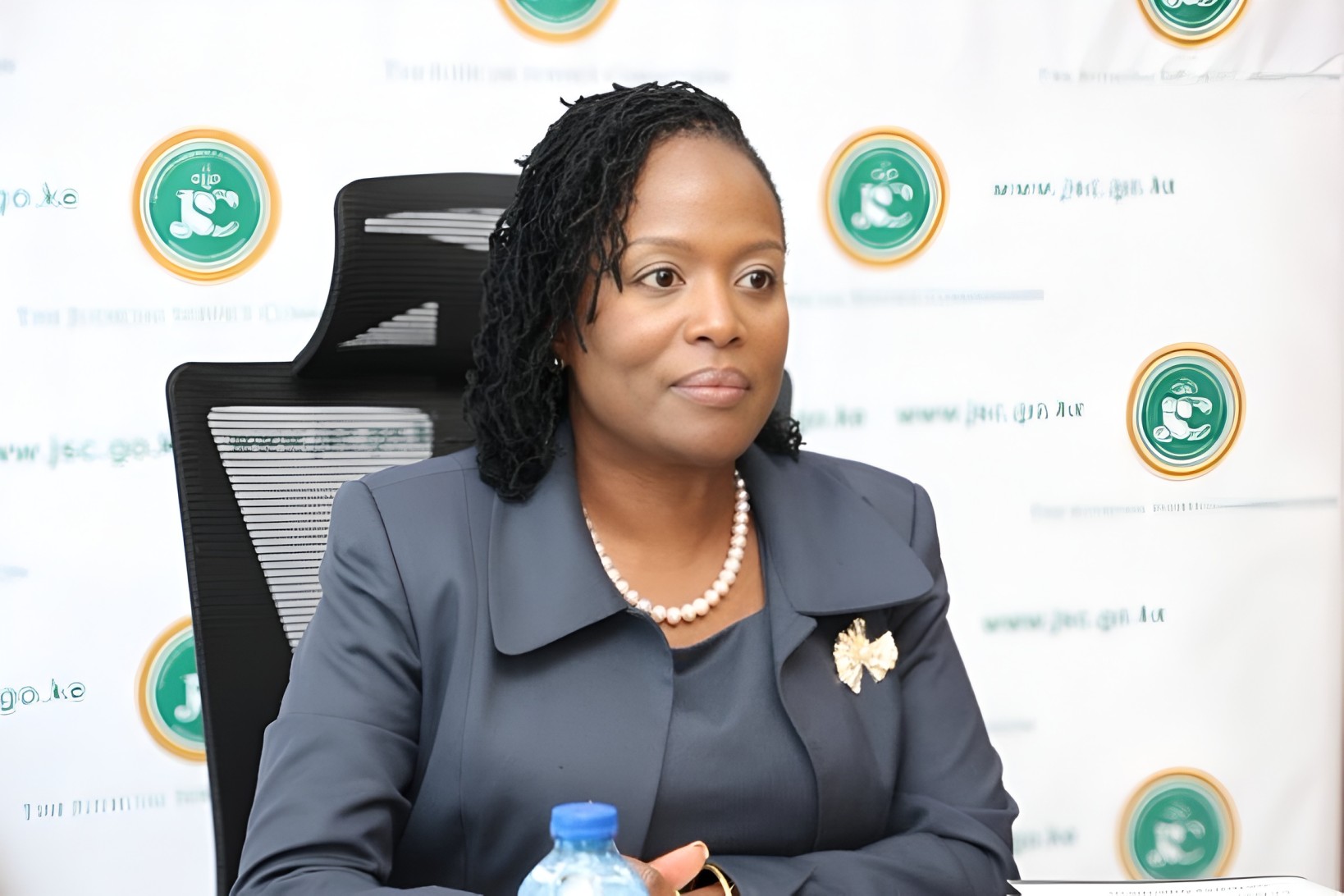
Chief Registrar Winfrdah Mokaya said on Monday during a public budget forum in Nairobi that insufficient funding has slowed down court expansion projects and limited the Judiciary’s ability to deliver services efficiently. She pointed out that Nairobi courts face immense pressure, managing almost a quarter of all cases in Kenya.
“Nairobi has a resident population of 4 million and daily commuters of 2.5 million. Our courts deal with a wide range of cases, from commercial and traffic disputes to matters concerning families, children, and constitutional rights,” Mokaya said.
To address the heavy workload, the Judiciary has focused on completing new court buildings in Kasarani, Mihango, and Huruma.
It is also increasing the number of specialised courts, including Gender Justice, Anti-Corruption, Children’s, and Small Claims Courts.
“The Judiciary has proposed a budget of Sh46 billion for 2026-27, equivalent to 0.7 per cent of the national budget. But the indicative allocation of Sh29 billion leaves a gap of Sh17 billion,” Mokaya explained during the final session of the nationwide public budget hearings at Jericho Hall in Makadara constituency.
Mokaya stressed that additional resources are critical to improve the delivery of justice across Kenya. She noted that public participation is not only a constitutional obligation but also a way for the Judiciary to demonstrate accountability to the people.
“Judicial authority is delegated by the people, and with that delegation comes an unqualified obligation to account for how resources entrusted to us are deployed. We therefore appear before you as stewards of a public trust ready to present our performance for the last financial year and the investment proposals for the year ahead,” she said.
She highlighted security as a key aspect of judicial independence, warning that unsafe court environments limit the ability of judges, staff, litigants, survivors of crime, children, and the public to fully engage in justice processes.
The Judiciary is committed to digital transformation through expanded e-filing, digital registries, and the Case Tracking System (CTS).
Mobile courts, alternative dispute resolution, and investments in alternative justice systems also remain priorities.
“Our proposals are geared towards building a future-ready justice system,” Mokaya said, adding that better funding will lead to faster case resolution, fewer backlogs, improved security, and stronger protection for vulnerable groups.
Finance directors from the Judiciary and the Judicial Service Commission shared key performance highlights and the proposed budget during the forum.
Deputy Chief Registrar Paul Ndemo, along with registrars and directors, were present to provide additional insights.































Comments
Sign in with Google to comment, reply, and like comments.
Continue with Google