The government has moved to review donor-funded projects valued at Sh2.17 trillion, citing concerns that many initiatives reflect donor priorities rather than Kenya’s development needs.
Officials say the exercise seeks to identify projects that may not benefit the public and to resolve ongoing challenges in providing counterpart funding, which often strains government resources.
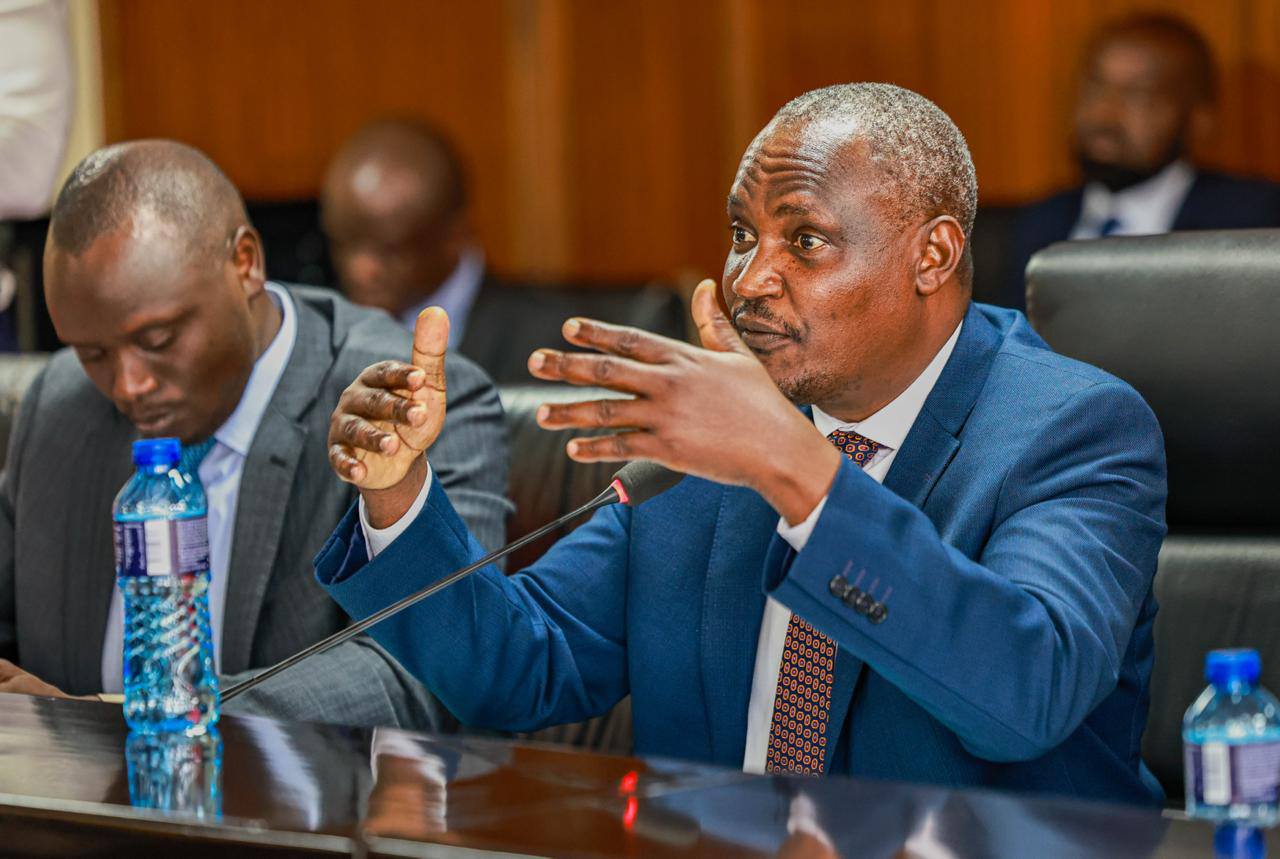
Treasury Cabinet Secretary John Mbadi said the current funding model has sometimes been driven more by suppliers than by Kenya’s actual needs.
“It is because the donor funding we are getting in this country has to some extent relied on the suppliers. It's supplier-driven, not demand-driven. You find that some projects are initiated because some donors want to come in and put money,” he explained.
Mbadi highlighted that the government has been holding discussions with donors through the Deputy President’s office while reviewing the full project pipeline to determine which initiatives might lack real value. The review also addresses the problem of counterpart funding, which can attract high fees, adding unnecessary costs to taxpayers.
“We are reviewing all the portfolios that are there, the pipeline of portfolios. It's a meeting we have been having, and we have been engaging donors through the DP's office,” he added.
The Treasury’s concerns mirror findings by the Parliamentary Budget Office (PBO), which last month reported that 234 donor-backed projects worth Sh2.17 trillion could stall unless Sh130 billion in counterpart funding is released.
Of the total, Sh1.92 trillion is financed through loans, while Sh251 billion comes from grants, both requiring Kenya to fund a portion before work can proceed.
“Kenya has previously experienced low absorption of donor funds due to bureaucratic hurdles, capacity constraints, and delays in counterpart funding. The risk of stalled or incomplete projects, especially those with significant public investment value and locally financed components, remains high,” the PBO said.
The office further cautioned that these delays could suppress domestic development spending, as the government struggles with pending payments linked to donor-supported initiatives.































Comments
Sign in with Google to comment, reply, and like comments.
Continue with Google