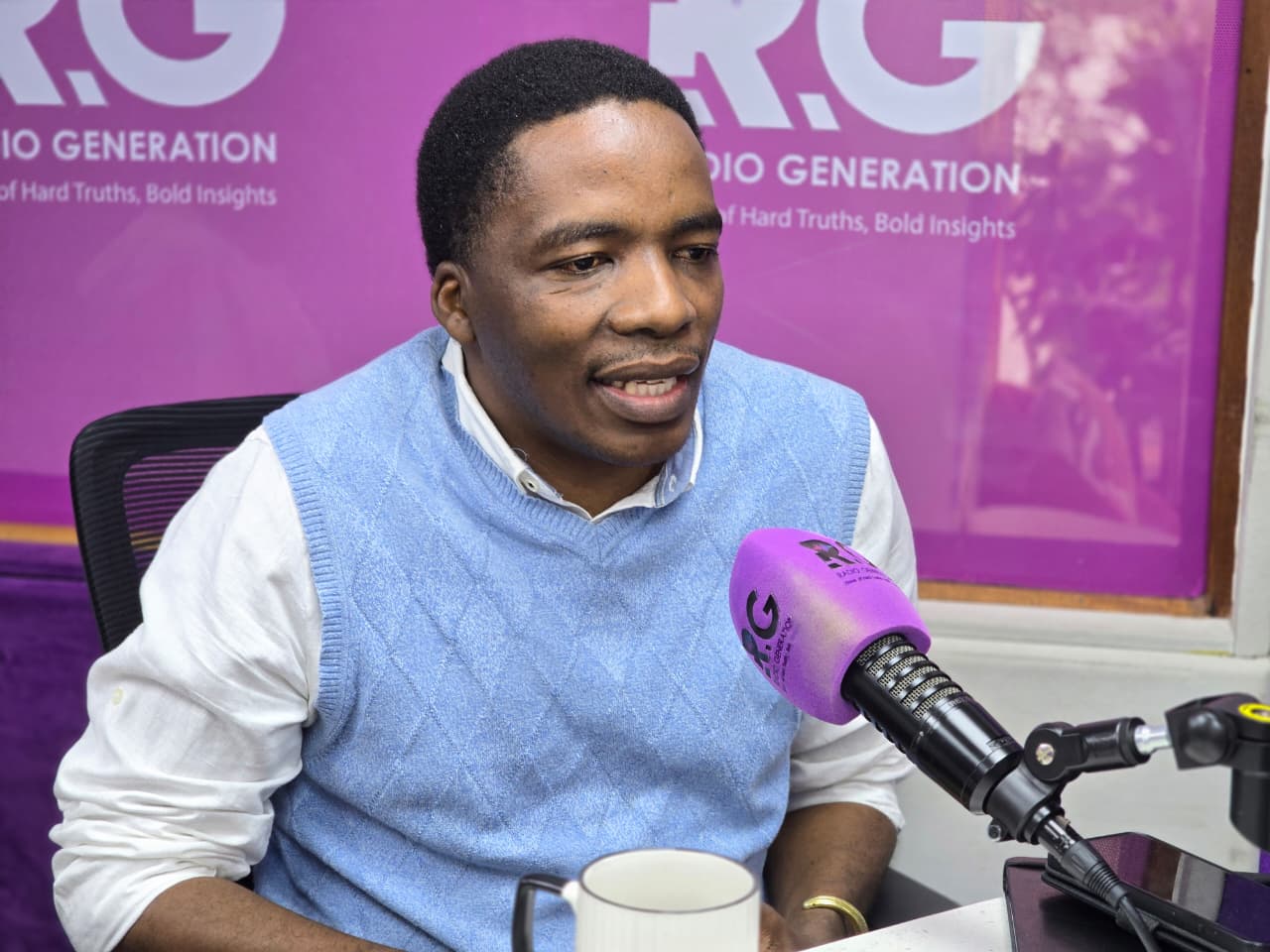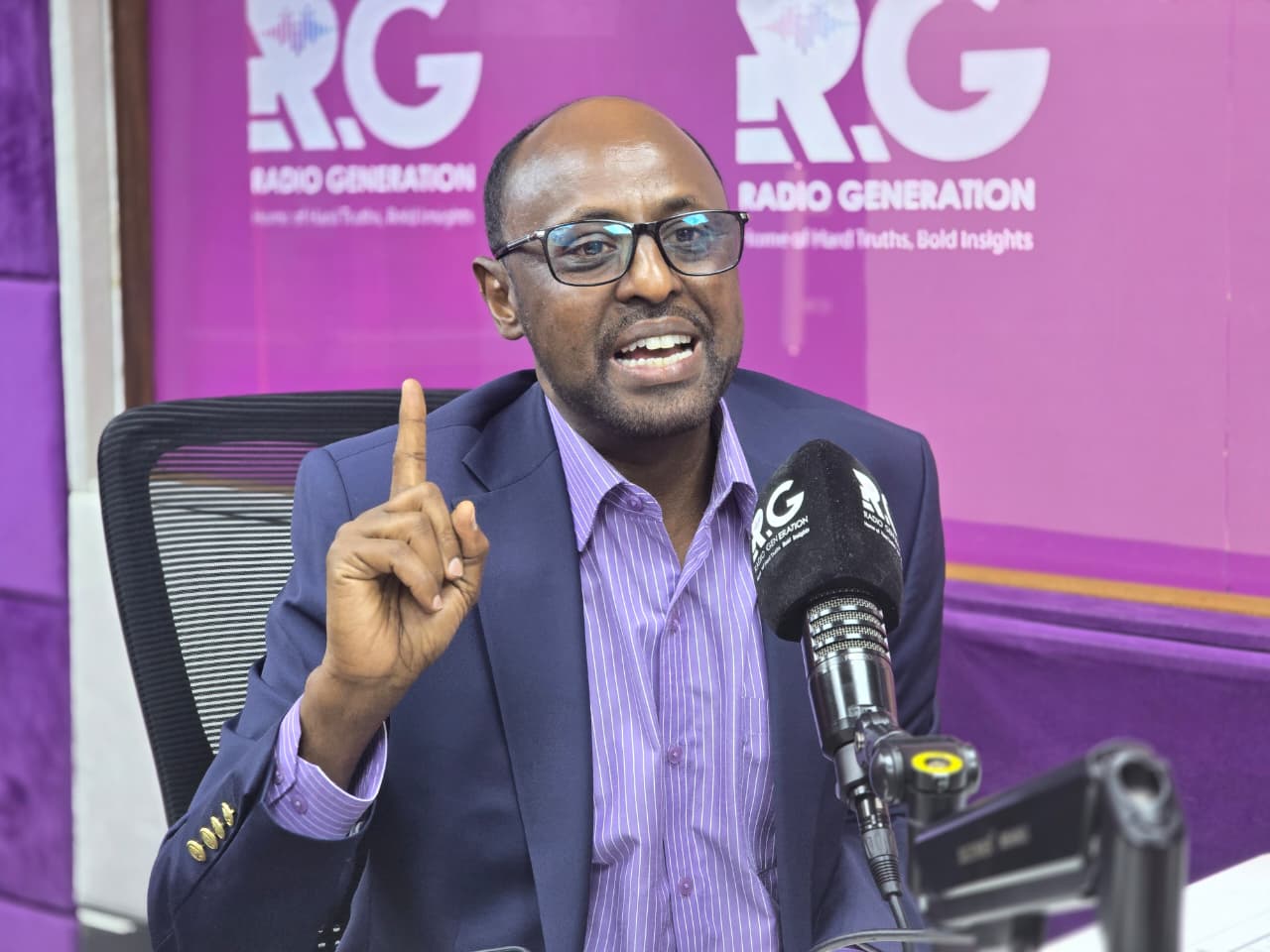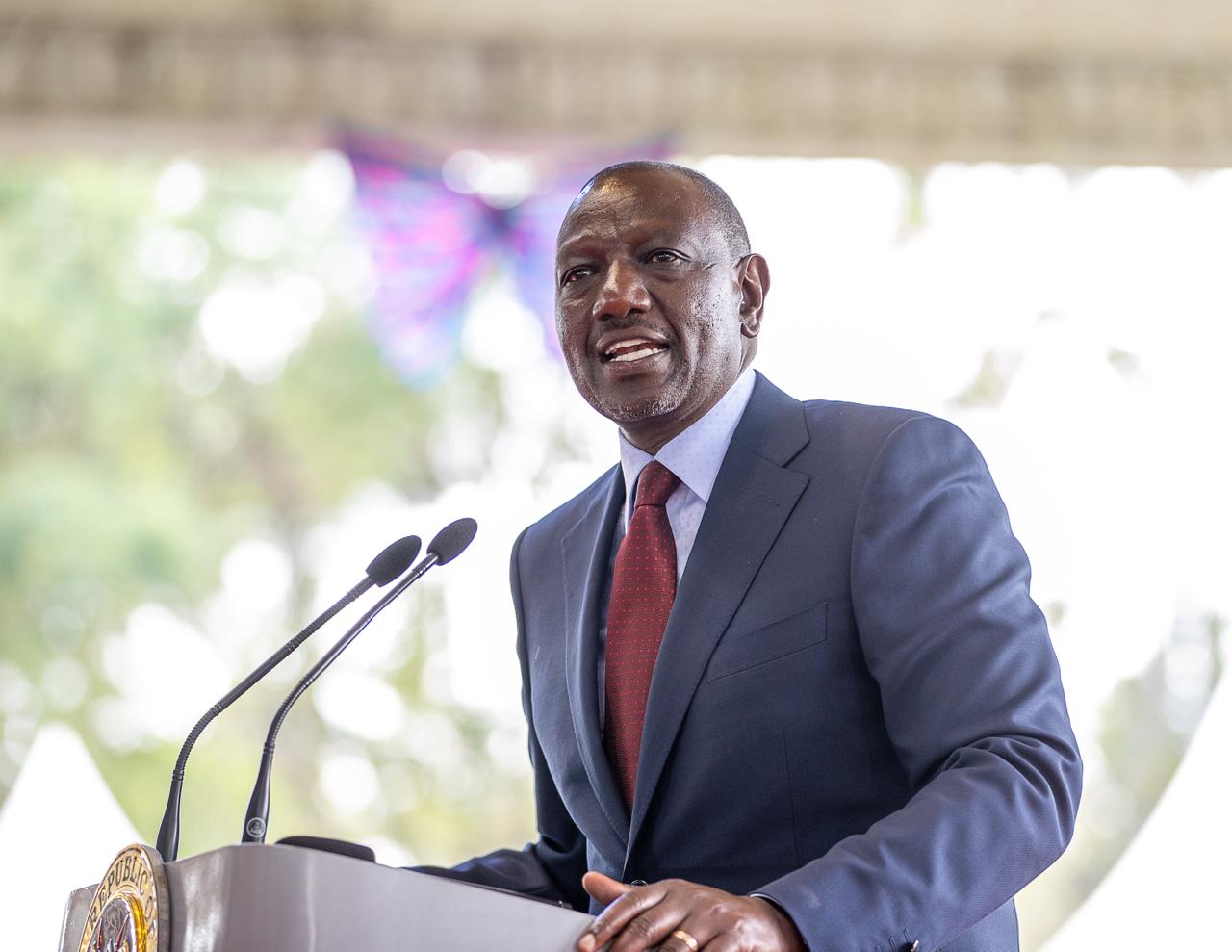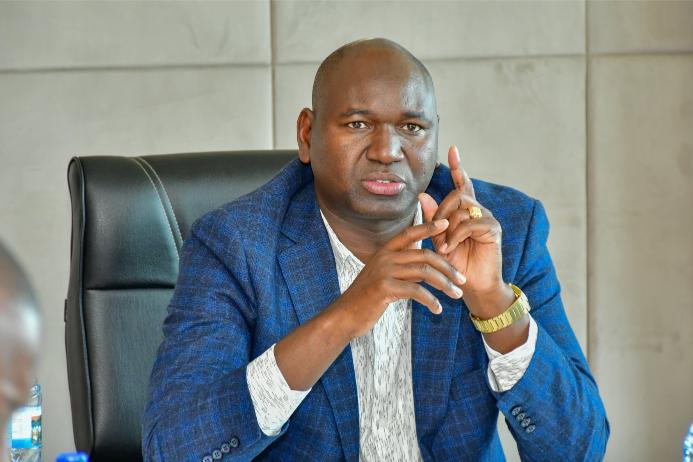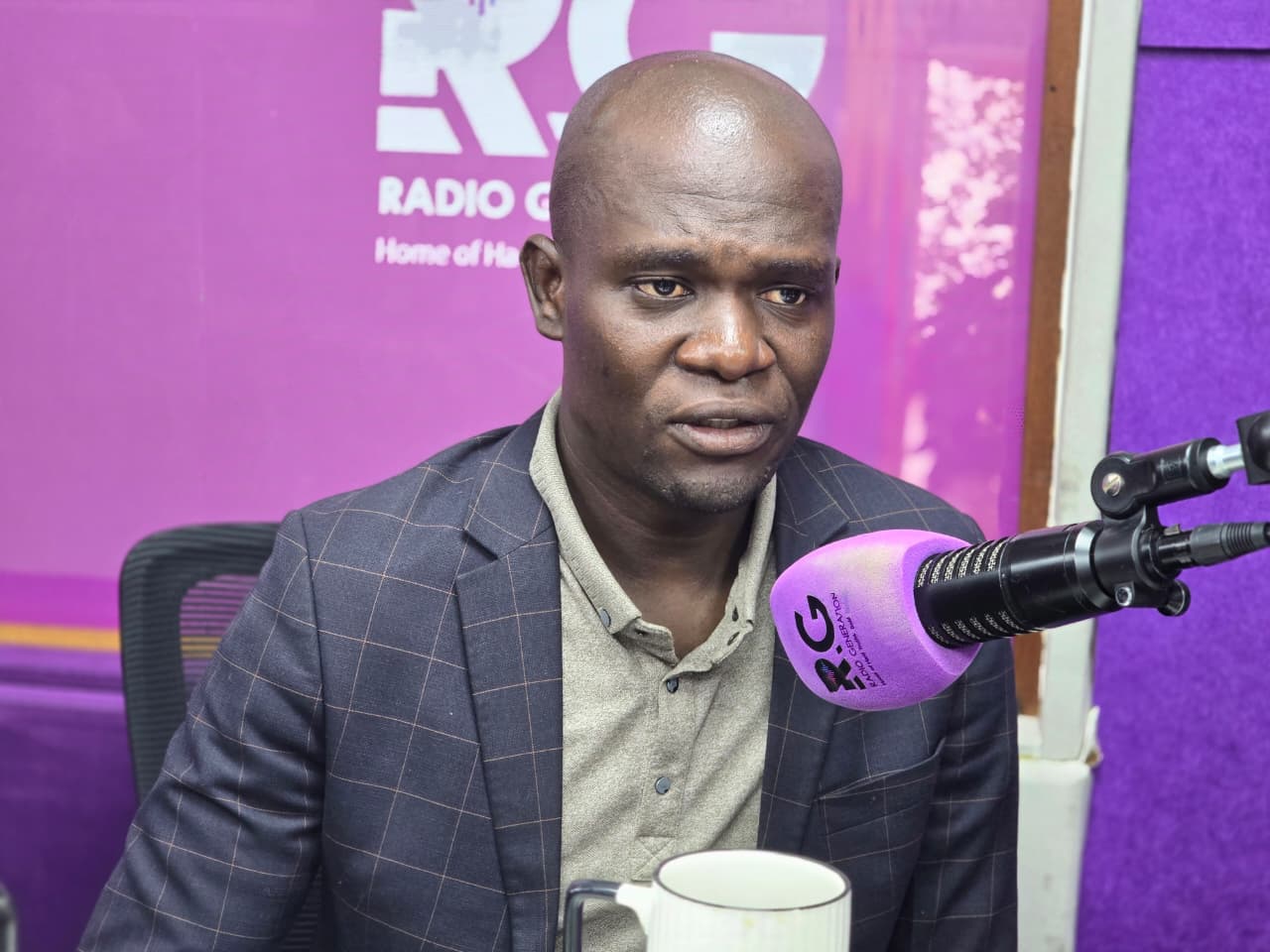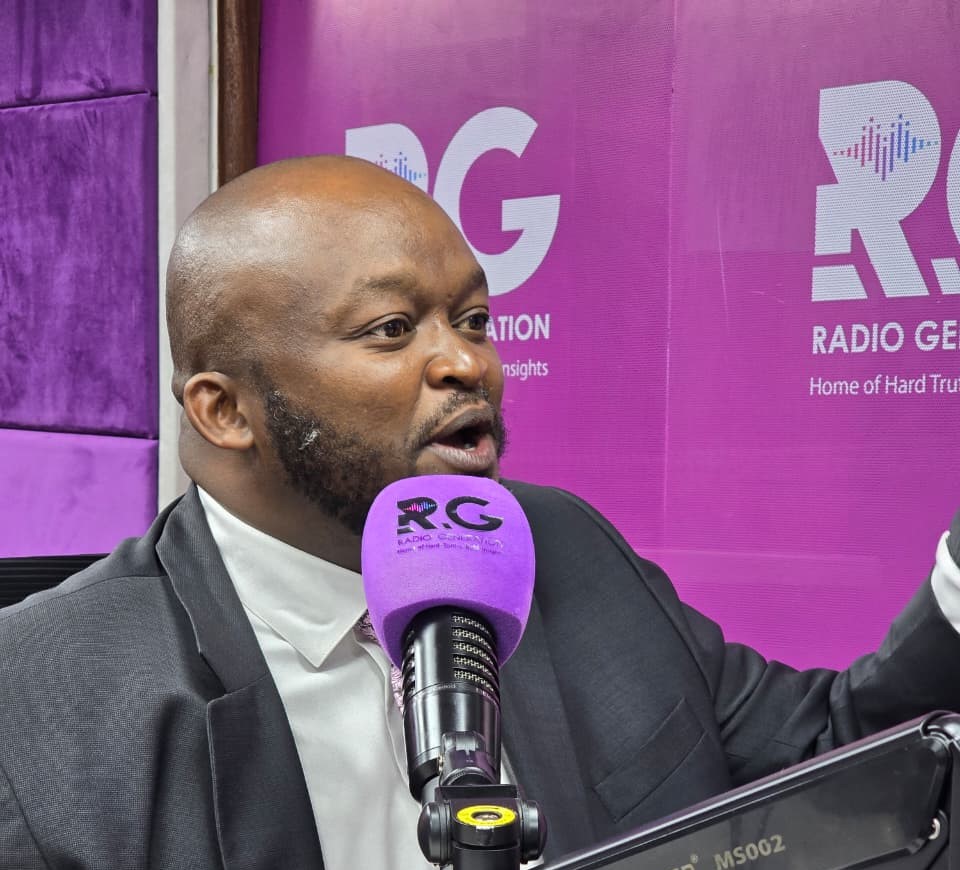
Law Society of Kenya Vice President Mwaura Kabata has criticised the President’s legal team for failing to provide sound constitutional guidance, leading to repeated court defeats.
Speaking on Radio Generation on Monday, Kabata said Kenya’s top legal minds risk “professional sycophancy” by offering advice that pleases rather than guides the President, citing the disbanded Compensation Taskforce as a key example.
He says it was alarming that several policy and statutory interventions initiated by the President were being struck down by the courts as unconstitutional, despite being conceived and advised by a team of highly qualified legal experts.
“The President is surrounded by very brilliant legal minds, professors of law, doctors of law, seasoned scholars, yet a majority of his interventions, both legal and statutory, end up in court where the judiciary declares them unlawful,” Kabata said.
He described the situation as a case of professional sycophancy, where advisers only tell the President what he wants to hear rather than giving sound, constitutional guidance.
“It may be a case of a king who is naked and does not want to be told so,” he said. “There may be insistence on receiving advice in a particular way, and if you advise contrary to expectation, you are sidelined.”
Kabata pointed to the Task Force on Compensation for Victims of Police Brutality, which was declared unconstitutional by the High Court earlier this month, as a key example of poor legal counsel.
“The recent one that comes to mind is the Task Force on Compensation,” he said. “Even the chairperson, our LSK president Faith Odhiambo, resigned after the court ruled that it was improper to set it up.”
The task force, created in July 2024, was intended to develop a compensation framework for victims of police excesses during political demonstrations, a key promise under the bipartisan 10-point agenda between President Ruto and the late opposition leader Raila Odinga.
However, the court found that the President lacked the legal authority to form such a body, as matters relating to victims’ compensation and human rights redress fall under the mandate of the Kenya National Commission on Human Rights (KNCHR) and the Victim Protection Board established under the Victims Protection Act, 2014.
Kabata said the intention behind forming the task force was noble, but the legal path taken was flawed.
“The intention to set up the panel of experts on compensation was a master stroke in addressing reparations and historical injustices,” he said. “But it should have been anchored in law. The government must accept its fair share of responsibility for human rights violations.”
He cited the successful SGBV (Sexual and Gender-Based Violence) Task Force, chaired by former Deputy Supreme Court Judge Nancy Baraza, as an example of how similar initiatives can work effectively within the legal framework.
“That task force has the LSK president as a permanent member and has faced no legal challenge. It was seen as a welcome move,” Kabata said.
The LSK VP added that Kenya must adopt a systematic approach to reparations, documenting atrocities such as the extrajudicial killings in Siaya and Maragoli, and other historical human rights violations.
“It will be important to document these stories, from the bodies found in River Yala to young Kenyans disappearing. We must admit harm and find a mechanism for restitution,” he said.
Kabata also expressed concern that political assassinations and extrajudicial killings continue with impunity.
“If a Member of Parliament can be gunned down in the heart of the city, on Kenyatta Avenue, where the largest surveillance system is mounted, and no one is held responsible, then we must ask ourselves serious questions,” he said.
He warned that Kenya risks repeating past mistakes unless the government embraces transparency, accountability, and constitutionalism in its decision-making.
“The government must reflect, re-strategize, and listen. Courts are not frustrating the President; they are safeguarding the Constitution,” Kabata stated.
He concluded by calling for an honest reckoning on human rights abuses, both in Kenya and across the region.
“Citizens in Tanzania are being killed for expressing their rights. The same thing happened in Kenya during the Finance Bill protests,” he said. “Unless we take stock of our own violations and act within the law, every new task force we create will only expose our failure.”