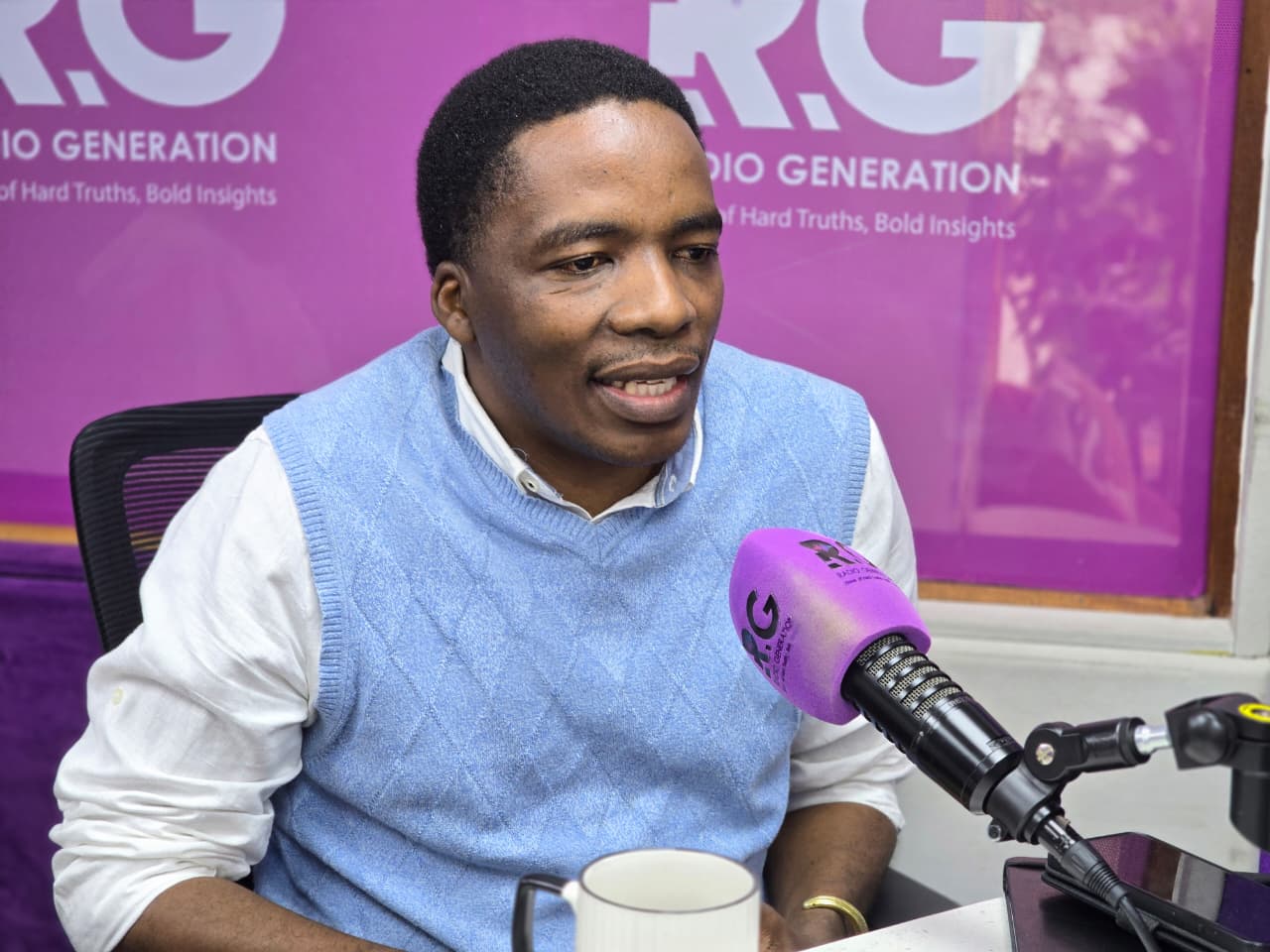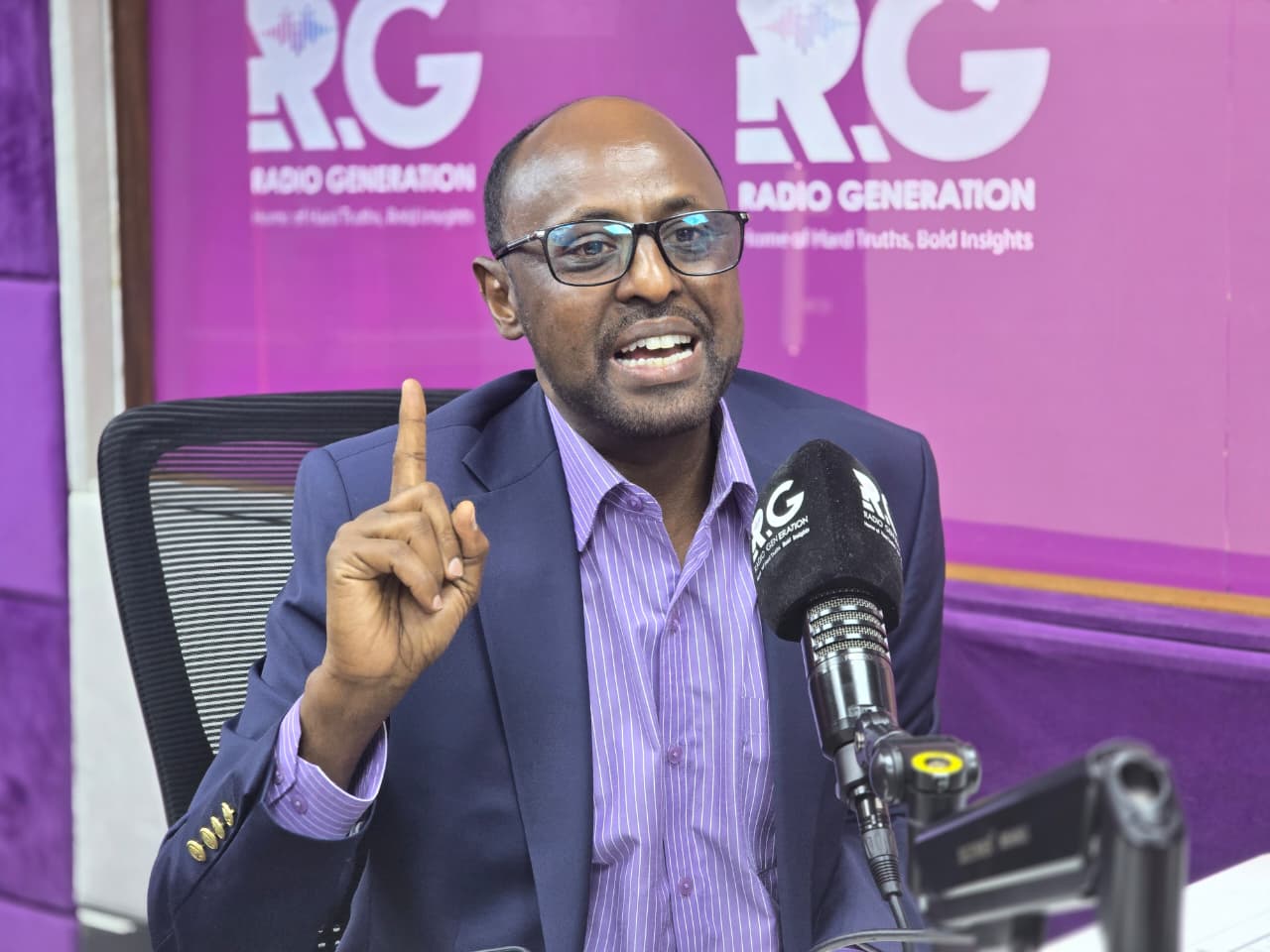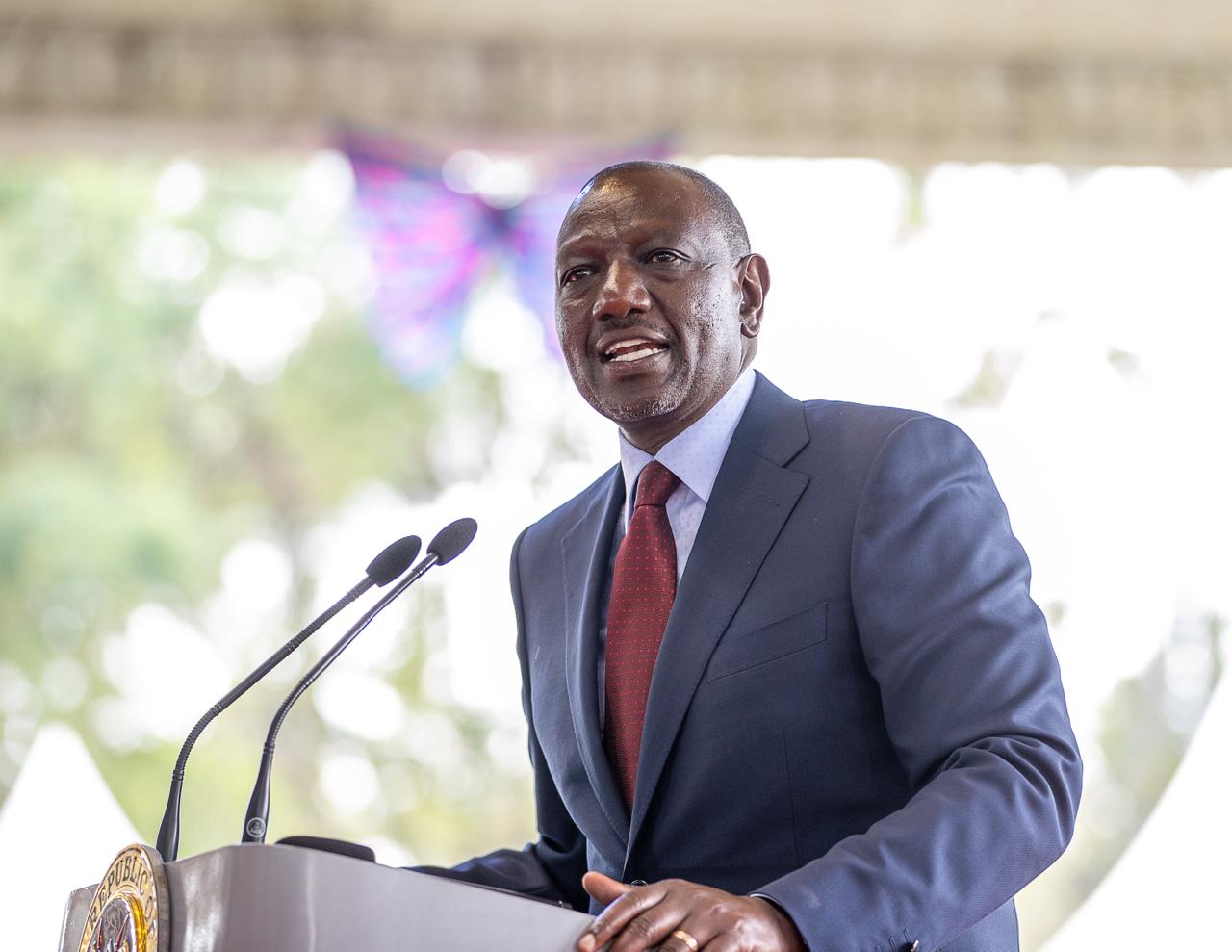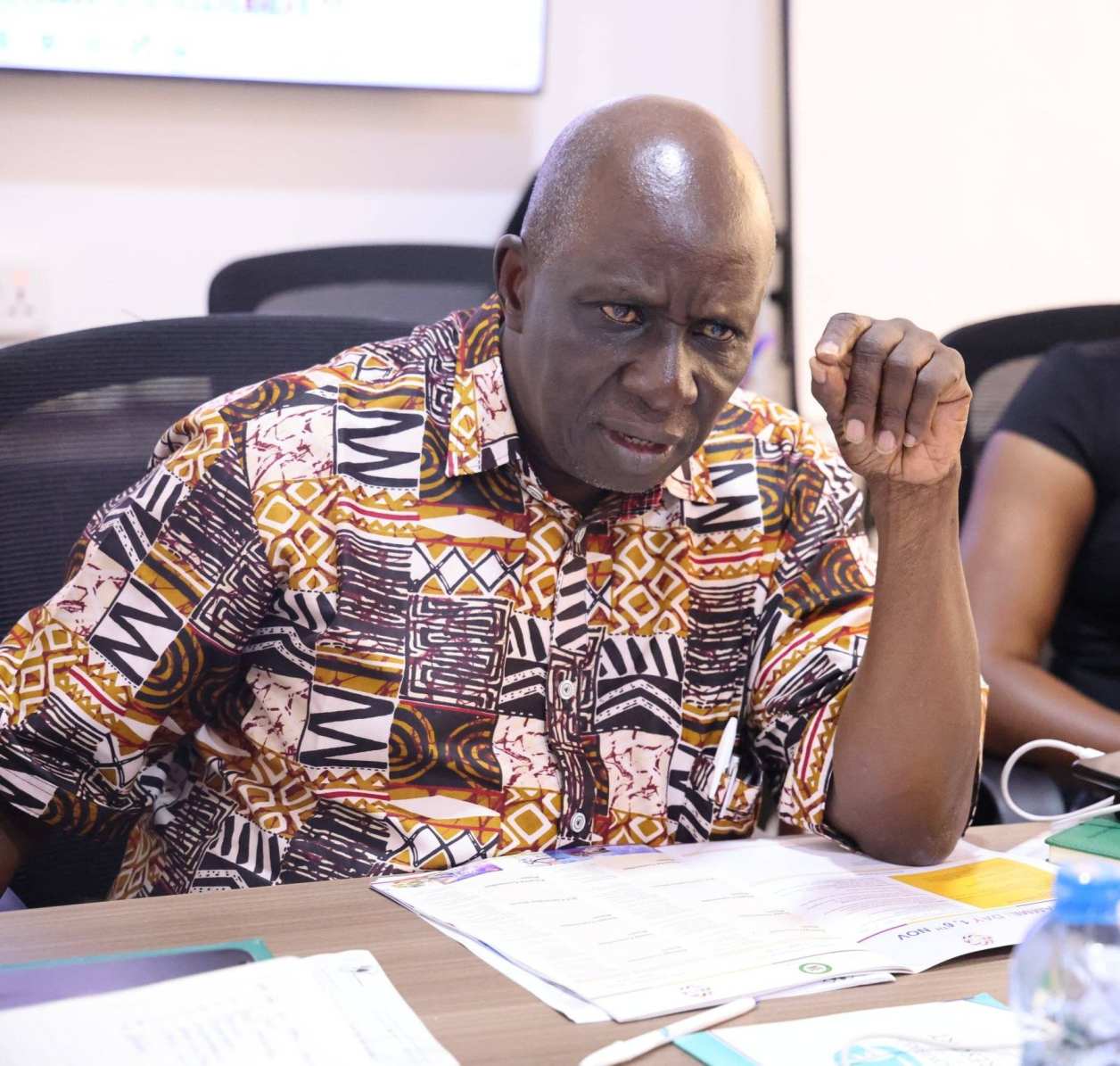
The National Assembly Health Committee, led by Chairperson James Nyikal, held a high-level roundtable discussion in Mombasa with the Social Health Authority (SHA) leadership, headed by CEO Mercy Mwangangi, alongside private healthcare providers and representatives from the Kenya Private Sector Alliance (KEPSA) Health Sector.
The meeting formed part of the 8th Speaker’s Roundtable (SRT) and sought to address persistent operational and financial challenges slowing down the rollout of Kenya’s new social health system.
Central to the talks were concerns around provider payments and claims processing, which private health providers described as their greatest hurdle.
Many decried a system that risks suspending facilities for up to 90 days on suspicion of fraud without a fair hearing.
To remedy this, participants proposed introducing financial penalties for improprieties—similar to those in the banking and insurance sectors—instead of immediate suspensions that disrupt service delivery.
Mwangangi provided an overview of SHA’s progress, revealing that the Social Health Insurance Fund (SHIF) has so far collected Sh 81 billion since its inception in October 2024.
She noted that the system currently covers 3.6 million formal sector workers and nearly one million informal sector members, with an additional 500,000 vulnerable households supported through the Social Protection Fund.
However, the Authority faces a major financial strain, with Sh 30 billion in pending bills carried over from the defunct National Health Insurance Fund (NHIF).
Lawmakers urged the agency to prioritise clearing these arrears to stabilise relationships with healthcare providers.
Committee members also flagged key policy gaps.
Prof. Waqo Jaldesa criticised disparities in contribution structures, saying informal sector workers are being forced to make lump sum payments of four months to a year, unlike their formally employed counterparts who pay monthly.
Joshua Oron questioned whether the Kenya Medical Practitioners and Dentists Council (KMPDC) and county governments have the capacity to inspect and onboard facilities efficiently under SHA’s licensing framework.
Mary Maingi called for expanded collection points and an aggressive enrolment drive to increase compliance, warning that the current funding model is not sustainable.
She also pressed for the urgent clearance of NHIF’s legacy debts.
To improve efficiency, SHA plans to adopt an agency model targeting informal sector groups such as KTDA farmers, aiming to cut claims processing cycles to one month.
Concluding the session, Dr. Nyikal reaffirmed Parliament’s support for the SHA’s operationalisation, calling it “the most important financial restructuring of the health sector.”
He urged stakeholders to collaborate on drafting a “Cost of Care Bill” to help regulate healthcare pricing and enhance sustainability.
The meeting ended with a commitment to develop clear legislative proposals and an evidence-based advocacy roadmap for parliamentary consideration to fast-track Kenya’s transition to universal social health coverage.