Teachers escalate pressure on SHA over care access complaints
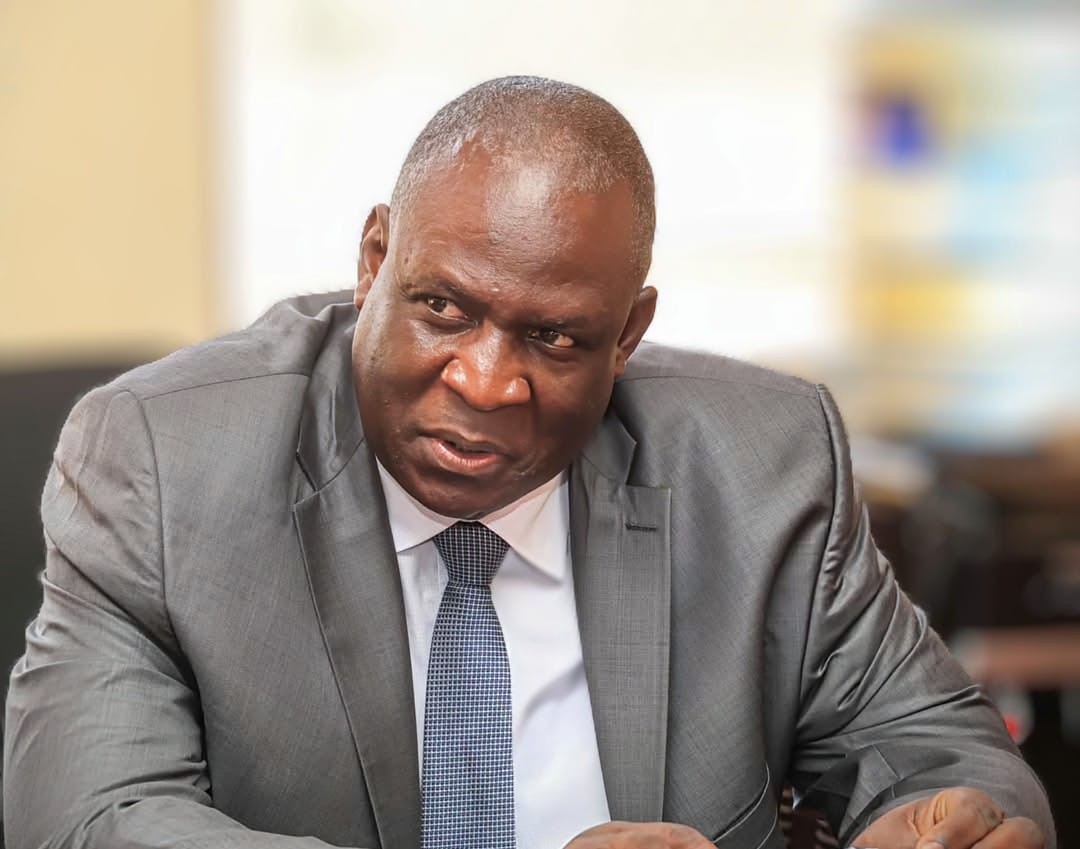
KUPPET reported incidents in which teachers injured in accidents were allegedly denied care at The Nairobi Hospital, Avenue Hospital, Guru Nanak Hospital and Aga Khan University Hospital.
Growing frustration among teachers has sparked fresh threats of a boycott of the Social Health Authority medical cover, with unions saying repeated cases of denied services and slow processing of benefits are putting educators and their families at risk.
The Kenya Union of Post-Primary Education Teachers and the Kenya National Union of Teachers say concerns raised by members have persisted months after the scheme was introduced, pointing to gaps in service delivery and unclear channels for resolving grievances.
“There are many challenges. Teachers are being turned away from hospitals. Last expense and group life benefits are being delayed. There is no clear structure on where complaints should be reported,” KUPPET National Chairman Omboko Milemba told Nation.
Milemba, who is also the Emuhaya Member of Parliament, said earlier discussions with relevant agencies had agreed that the rollout would be treated as a trial period before a joint evaluation.
“After the test drive, we agreed that we would do a review in three months. The three months have ended, and we are demanding the review so that the emerging issues can be addressed,” he said.
He added that the current medical cover for teachers is due for reassessment and that all issues raised by union members must be resolved.
KUPPET reported incidents in which teachers injured in accidents were allegedly denied care at The Nairobi Hospital, Avenue Hospital, Guru Nanak Hospital and Aga Khan University Hospital.
Deputy Secretary General Moses Nthurima said the union’s leadership will meet next week to take stock of the complaints and decide the next course of action.
“If they can’t fix these issues, we will tell our members to boycott the scheme,” he said.
Social Health Authority Chief Executive Officer Mercy Mwangangi dismissed claims that the problems reflect a wider failure, stating that only a limited number of cases have been reported.
“SHA has received a small number of isolated reports of teachers experiencing challenges when accessing care. These cases are not widespread or systemic and do not reflect the intended operation of the scheme,” Mwangangi said.
She added that records show more than 225,000 teachers together with their dependents have already received services through the programme.
Nthurima, however, argued that the new arrangement has created extra steps for teachers seeking help compared with the previous Minet cover, which had direct communication lines and an emergency support system.
“Under Minet, we knew exactly where to report and whom to speak to when there was a problem. Now we have to go through the Teachers Service Commission to reach SHA, and that delay is costing lives. This is a government scheme, and that is part of the problem. There is confusion over responsibility. Teachers are being sent away from hospitals, and some have died,” he said.
KNUT Deputy Secretary General Hesbon Otieno said the union has also handled cases where hospitals required teachers to make payments despite being covered.
“We have a case in Homa Bay where a teacher was asked to pay Sh19,000 for the treatment of a child, and an additional Sh5,000 for X-ray services,” he said.
Mwangangi said any complaint that reaches the authority is processed through a set procedure that includes immediate intervention and engagement with the health facility involved.
“All reported cases are handled through a structured process that includes immediate intervention to support the affected teacher, engagement with the healthcare provider and follow-up to prevent repeat incidents,” she said.
Milemba further pointed to confusion over which facilities are approved to offer services, saying some hospitals that teachers previously accessed are now declining patients on accreditation grounds.
“There is confusion over hospital accreditation. Teachers can no longer access services in some hospitals because the facilities say that they are not accredited,” he said.
Mwangangi clarified that licensing and accreditation of hospitals is done by statutory regulators and not the authority, adding that the scheme allows teachers to seek treatment from more than 8,000 contracted public, private and faith-based facilities.
The unions also raised concern about delays in processing last expense claims after the death of teachers, noting that payments under the previous arrangement were made within 24 to 48 hours.
Mwangangi said the authority monitors adherence to contract terms through audits of claims, review of service trends at facilities and enforcement measures where violations are detected.
On complaint handling, SHA said it has expanded support channels, including a 24-hour toll-free number, 0800 720 601, and an email address, [email protected], where teachers can report challenges and seek assistance.




Comments
Sign in with Google to comment, reply, and like comments.
Continue with Google