Kenya is stepping up efforts to revive regional trade integration by calling for the quick execution of the East African Community (EAC) Common Market Protocol during the EAC MSME Expo that begins today in Nairobi.
The country hopes the 10-day trade fair will serve as a turning point in addressing the long-standing delays and trade restrictions that have slowed the realisation of a seamless regional market.
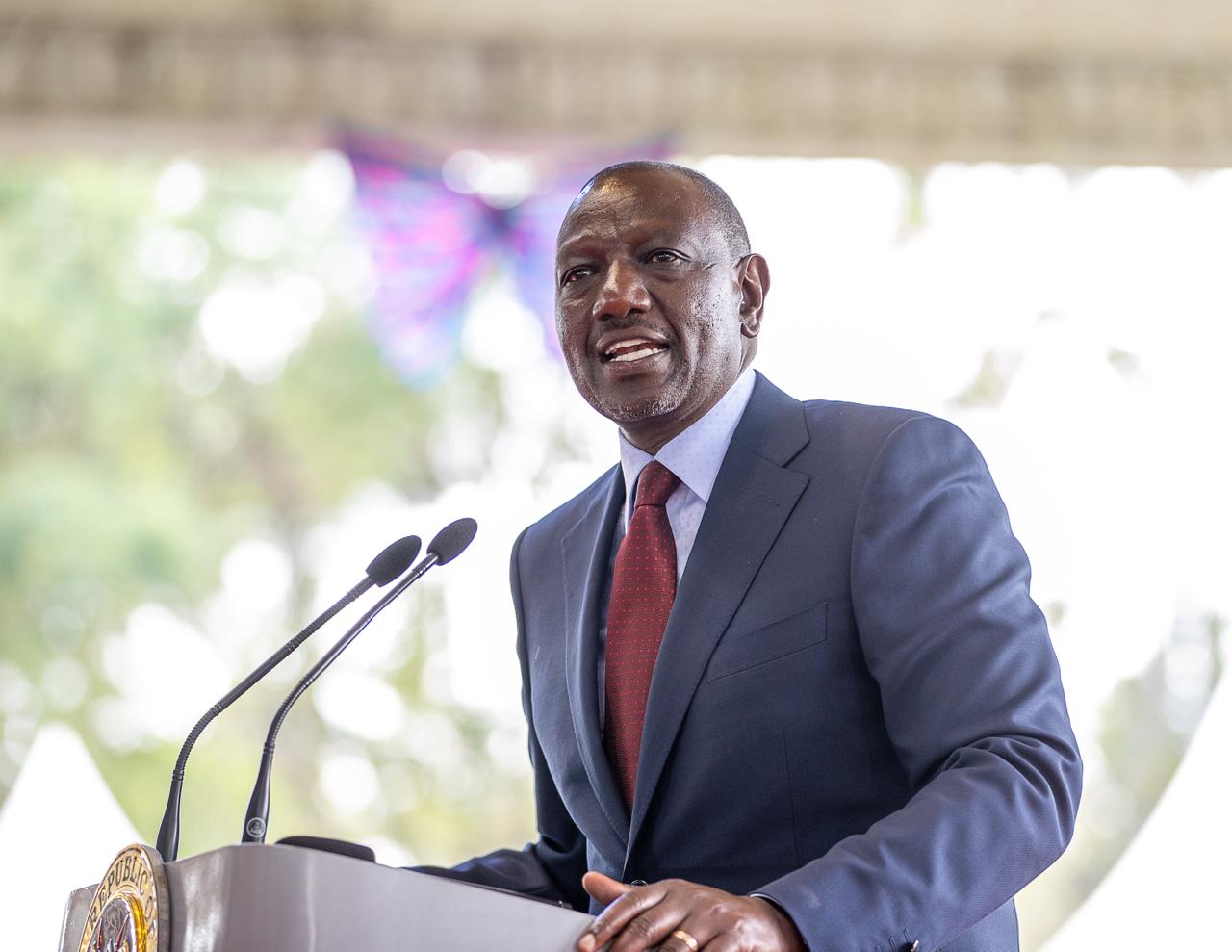
The Nairobi event, which has drawn participation from EAC member states, the African Continental Free Trade Area (AfCFTA), and major development partners, will include a high-level opening session on Monday, November 10, to be presided over by President William Ruto.
The meeting will also feature a ministerial roundtable hosted in partnership with the International Trade Centre (ITC) to explore new ways of domesticating global MSME policies across East Africa.
The launch of ITC’s new regional office in Nairobi will coincide with the expo, reinforcing Kenya’s growing role as a strategic gateway for African trade and a hub for small and medium enterprises across the continent.
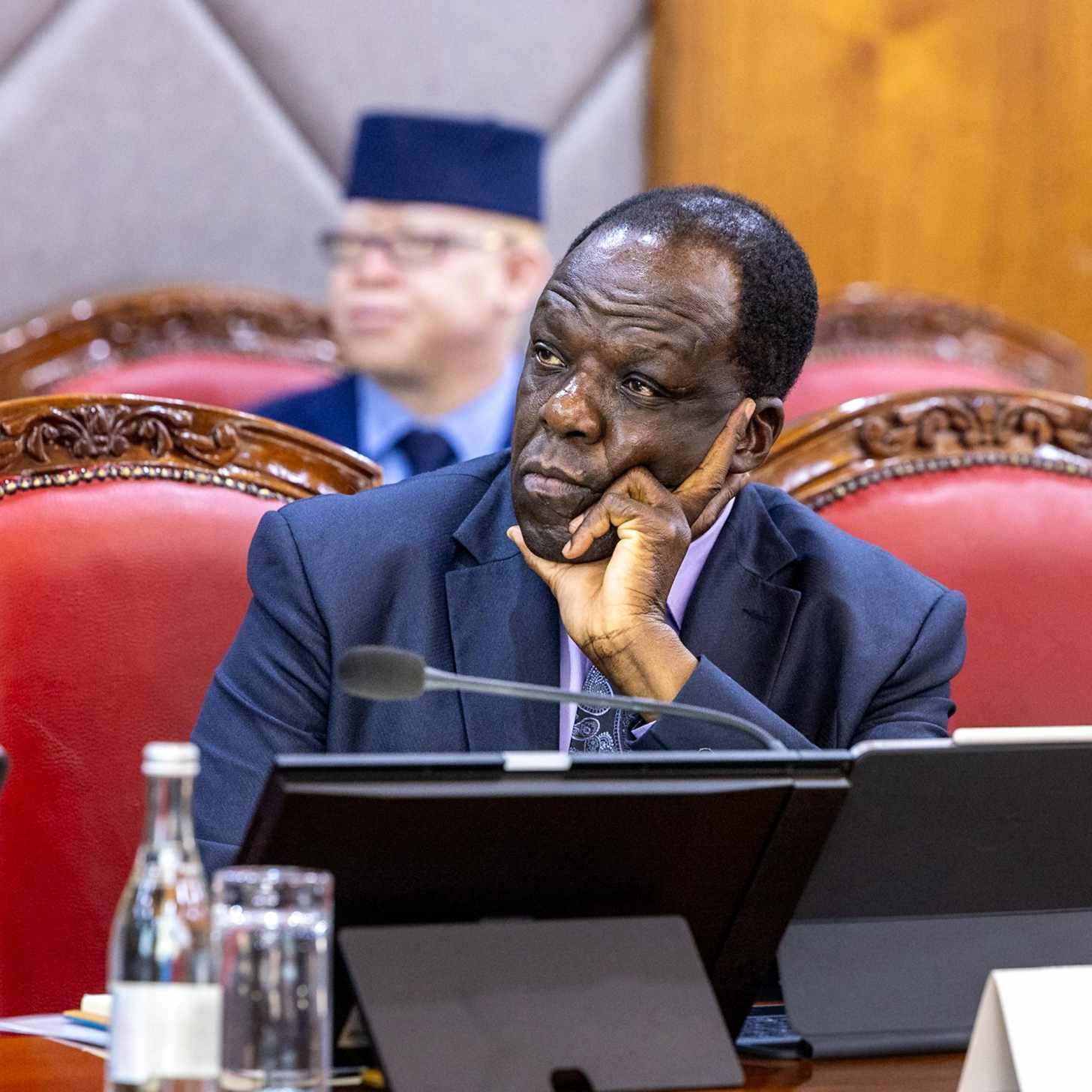
Kenya’s Cooperatives and MSMEs Development Cabinet Secretary Wycliffe Oparanya said the forum will be used to push for the removal of persistent barriers that hinder regional business growth.
“This will strengthen the EAC Common Market and align our regional trade framework with the broader goals of the African Continental Free Trade Area (AfCFTA), enabling cross-border trade, reducing market barriers and stimulating new opportunities for young entrepreneurs and women-led enterprises to scale their businesses beyond national borders,” Oparanya said.
The EAC Common Market Protocol was signed in 2009 and took effect in 2010, aiming to create a unified economic space that allows for the free movement of goods, labour, services, and capital.
However, the implementation has been sluggish, with member states continuing to maintain trade restrictions and independent market systems that limit regional economic growth.
In recent months, tensions have persisted over protectionist policies within the region. Tanzania, for instance, imposed a ban on foreign participation in 15 service sectors in July, including micro and small industries, before later easing the restriction for Kenya after diplomatic talks.
Similarly, Kenya and Uganda have experienced repeated trade standoffs, though the two nations recently pledged to eliminate tariff and non-tariff barriers.
The main obstacles continue to be customs inefficiencies, unharmonised standards, import restrictions, lengthy border checks, and multiple roadblocks, all of which raise the cost of doing business and slow down trade.
Kenya is using the expo to call for renewed commitment by EAC partners to open up borders, harmonise regulations, and unlock the full benefits of the Common Market Protocol.
The government believes that a fully integrated regional market will create opportunities for MSMEs and strengthen East Africa’s position as a competitive economic bloc within the AfCFTA framework.