The Ethics and Anti-Corruption Commission (EACC) has called on county officials to embrace ethical leadership and transparency in their work, warning that corruption continues to undermine devolution and public service delivery.
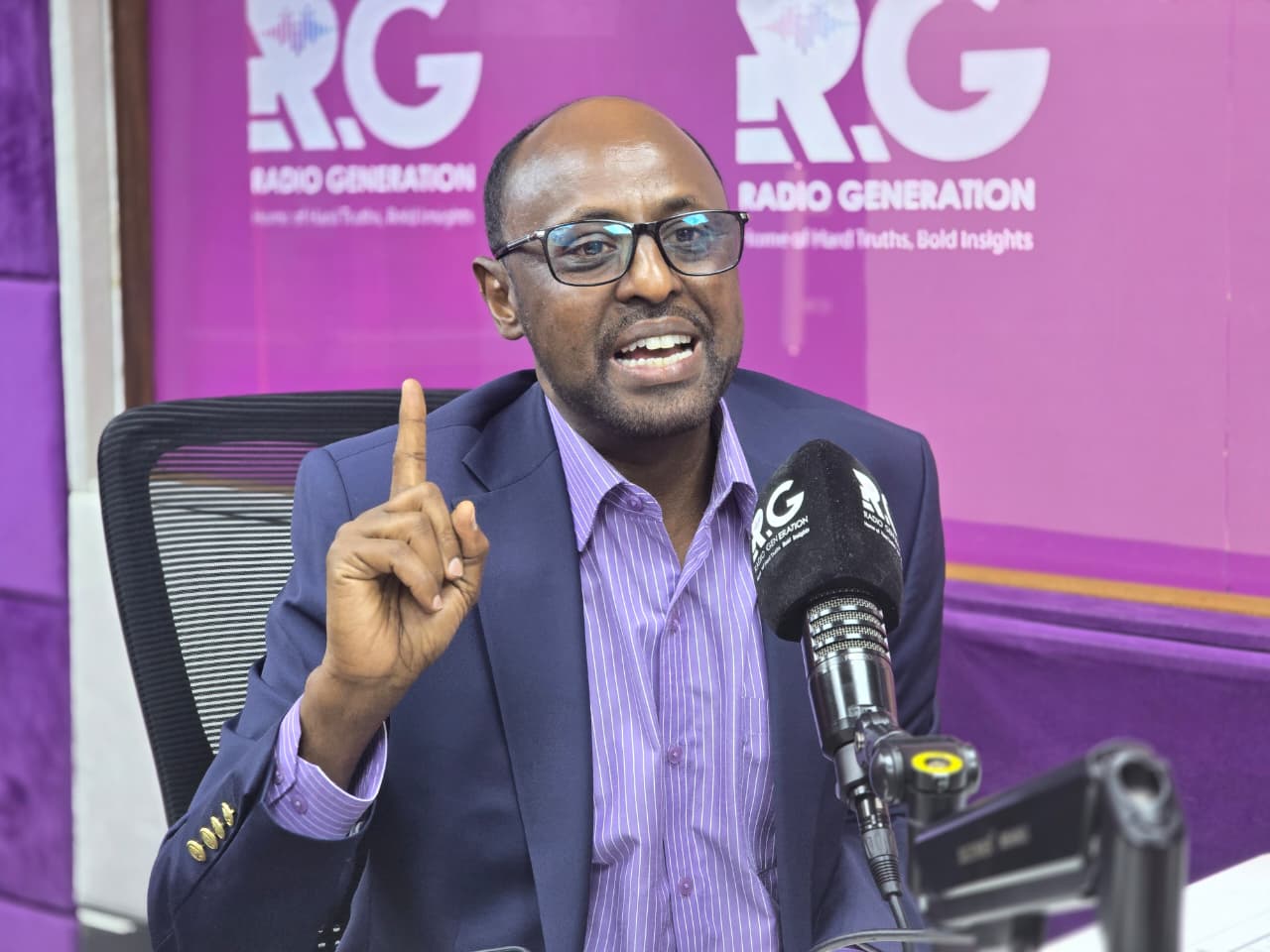
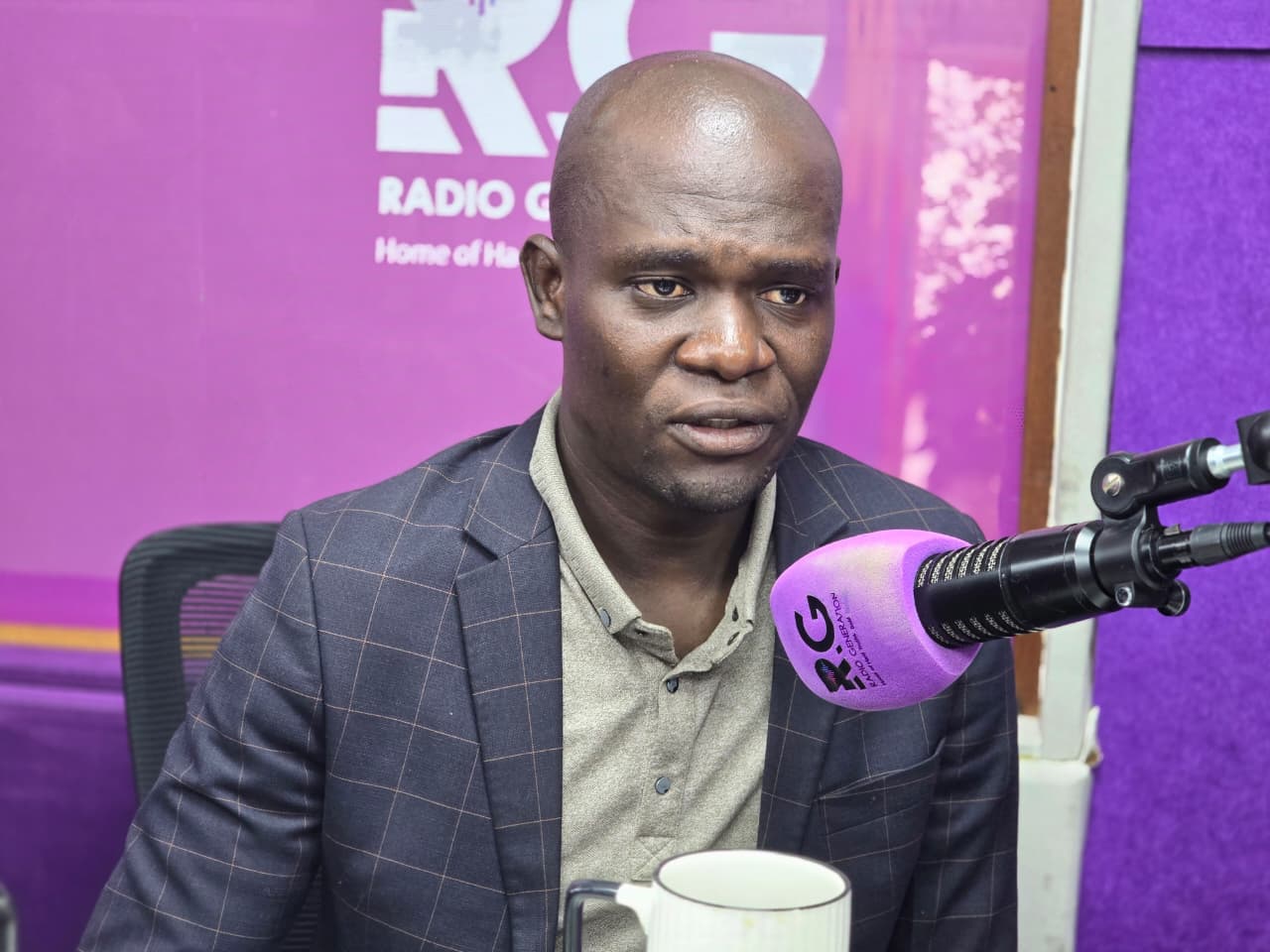
Speaking in Kisumu during a capacity-building forum for senior officials of the Bungoma County Assembly, EACC’s Regional Manager for Western Kenya, Eric Ngumbi, delivered remarks on behalf of the Commission’s Chief Executive Officer, Abdi Mohamud.
The training, organized through the National Integrity Academy (NiAca), focused on strengthening integrity, accountability, and good governance within county legislative institutions.
Ngumbi noted that corruption remains a serious obstacle to effective governance at the county level, urging leaders to uphold the principles of honesty and fairness in their dealings.
“Corruption remains one of the biggest threats to devolution,” he said, stressing that ethical leadership is essential for building public trust and improving service delivery.
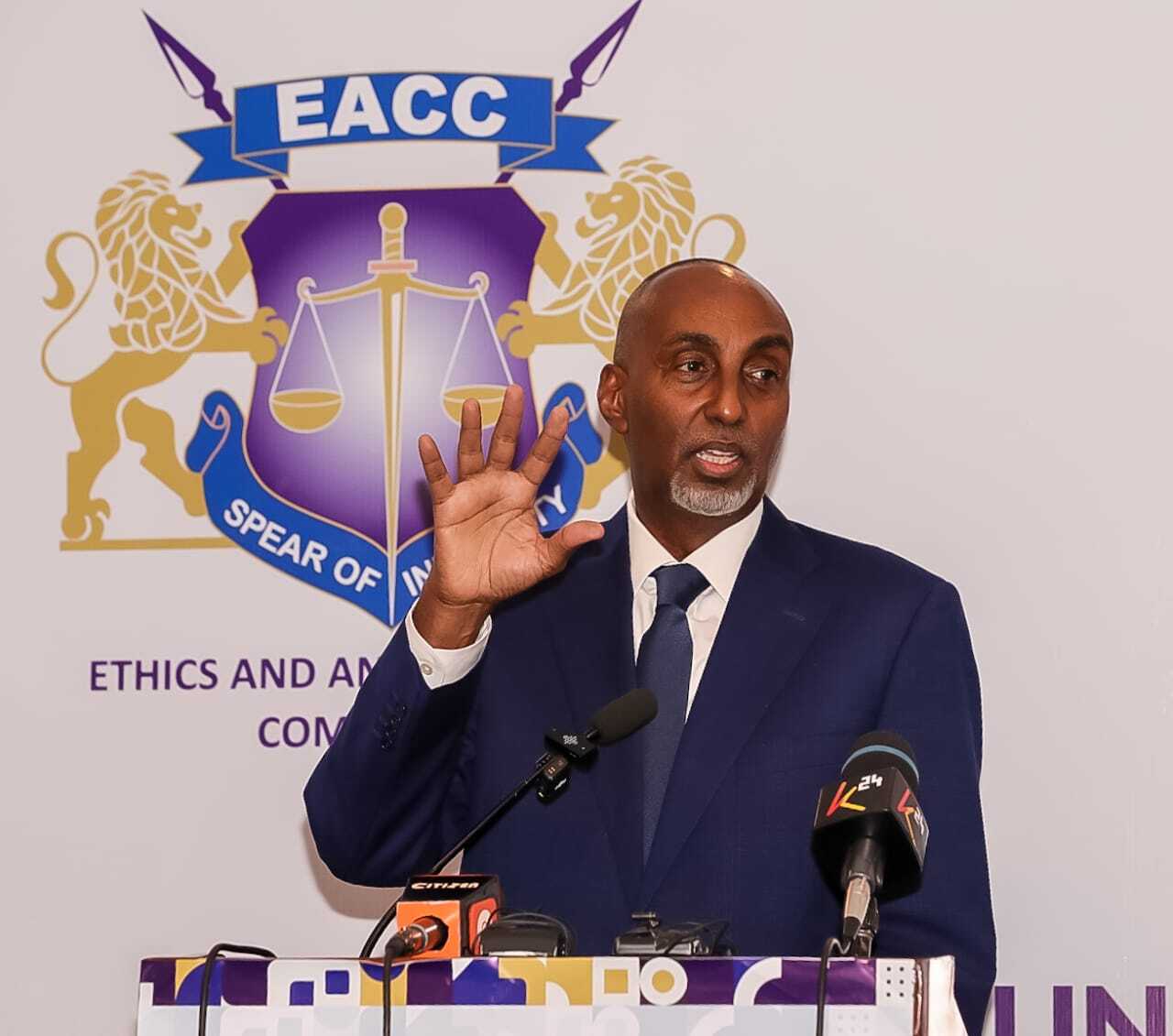
In his statement, EACC boss Abdi Mohamud revealed that the Commission has received more than 50 reports of alleged corruption involving officials of the Bungoma County Assembly. The cases, he said, include instances of conflict of interest, nepotism, and misuse of public resources.
“Such practices betray public trust and undermine the spirit of devolution,” he warned.
According to the 2024/2025 reports by the Ethics and Anti-Corruption Commission (EACC) and Transparency International (TI-Kenya) indicates that corruption in Kenyan county governments remains widespread, with specific counties and departments identified as most prone to graft. Bribery is a primary concern, often a necessity for accessing public services.
Uasin Gishu, Baringo, Embu, Homa Bay, and Bomet counties recorded the highest average bribe amounts, with Uasin Gishu topping the list at an average of Sh25,873, the highest in the nation.
Elgeyo Marakwet, Marsabit, and Wajir counties were identified as having the highest prevalence of bribery, with 100 percent of service seekers in these areas reporting that they had to pay a bribe to access public services.
Finance and Planning departments emerged as the most corruption-prone within county governments, followed closely by County Health Services, including ambulances, health facilities, and cemeteries as well as the County Transport sector, which covers roads and street lighting. These departments were consistently mentioned by respondents as being most affected by graft and misuse of public resources.
The most common forms of corruption include giving (52.1%) and receiving (41.9%) bribes, followed by favouritism, abuse of office, and embezzlement of public funds.
Bribery is particularly prevalent during the recruitment process for county government jobs, where job seekers are often expected to pay kickbacks to secure employment.
The Auditor General's report for the 2023/2024 financial year paints a worrying picture of widespread mismanagement and plunder of public funds in county assemblies. The audits reveal systemic graft involving billions of shillings in unaccounted expenditures, irregular procurement practices, and non-compliance with financial regulations.
The EACC boss reiterated the Commission’s commitment to strengthening preventive measures, recovering public assets lost through corruption, and promoting a culture of integrity across all levels of government. He encouraged county leaders to put in place stronger internal controls to enhance accountability and transparency.
Mohamud also appealed to members of the public to play their part in the fight against corruption, particularly ahead of the upcoming National Police Service recruitment.
He cautioned against bribery during the process, saying it compromises merit, competence, and public confidence in law enforcement.
“The fight against corruption is a fight for justice, fairness, and the future of our nation,” Mohamud said. “Let us all be part of the solution.”