Kenya’s long-standing ambition to rise into the level of advanced, well-governed nations will remain out of reach unless it confronts deep problems within its leadership and public culture, political analyst Herman Manyora has warned. He said the country cannot hope to mirror the discipline and efficiency seen in Singapore while corruption, favouritism, and weak institutions continue to shape decision-making at every level.
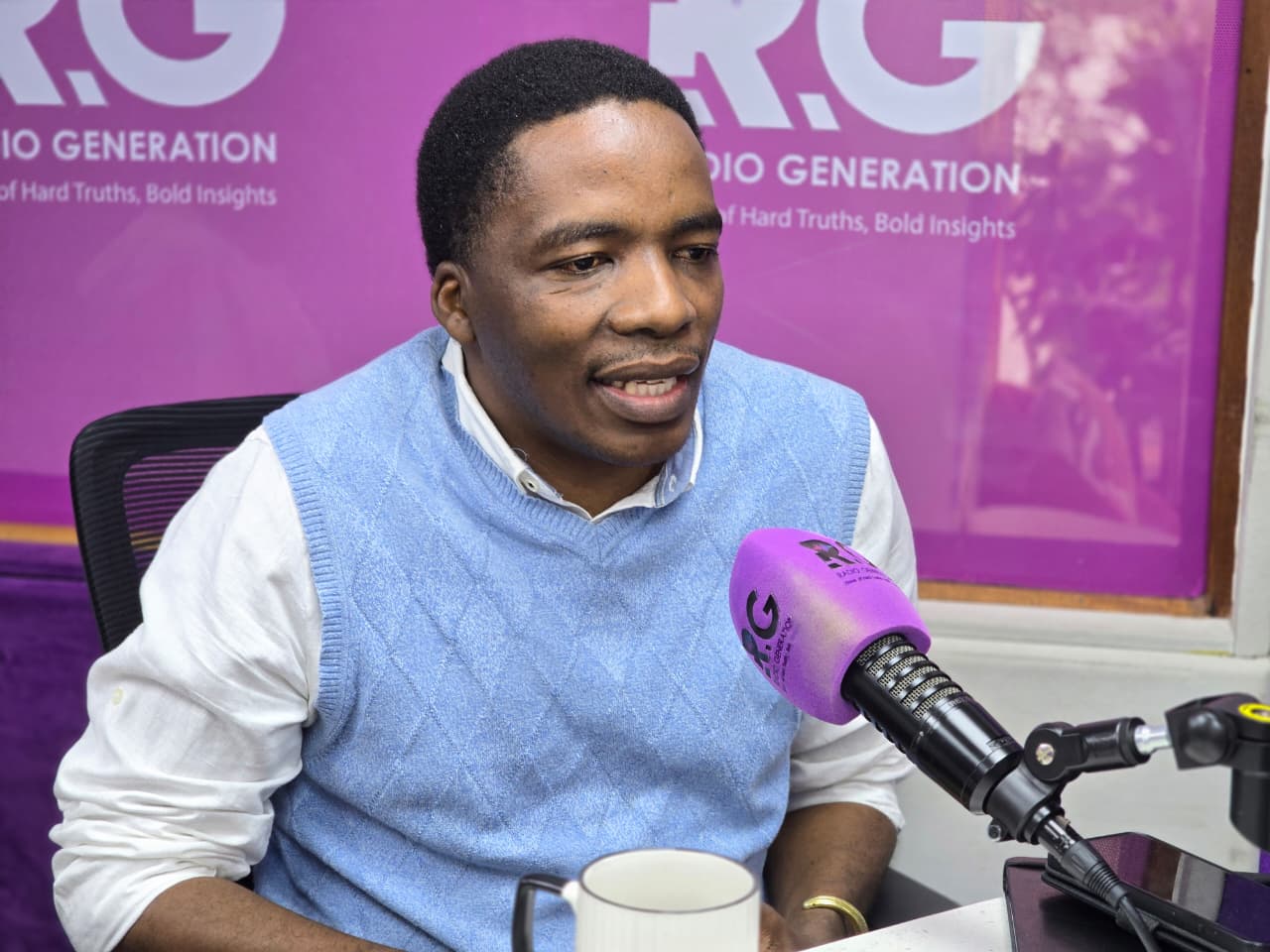
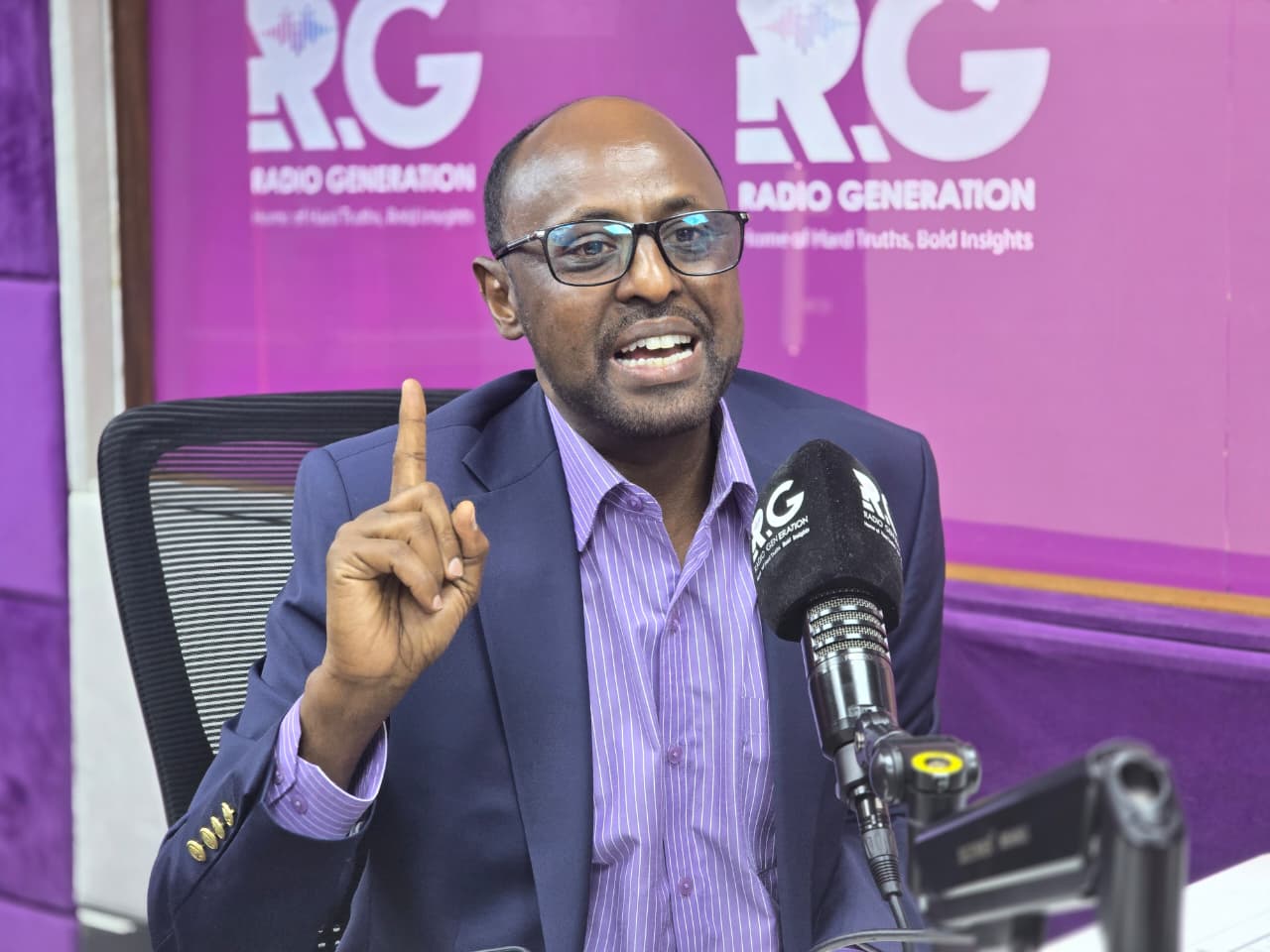
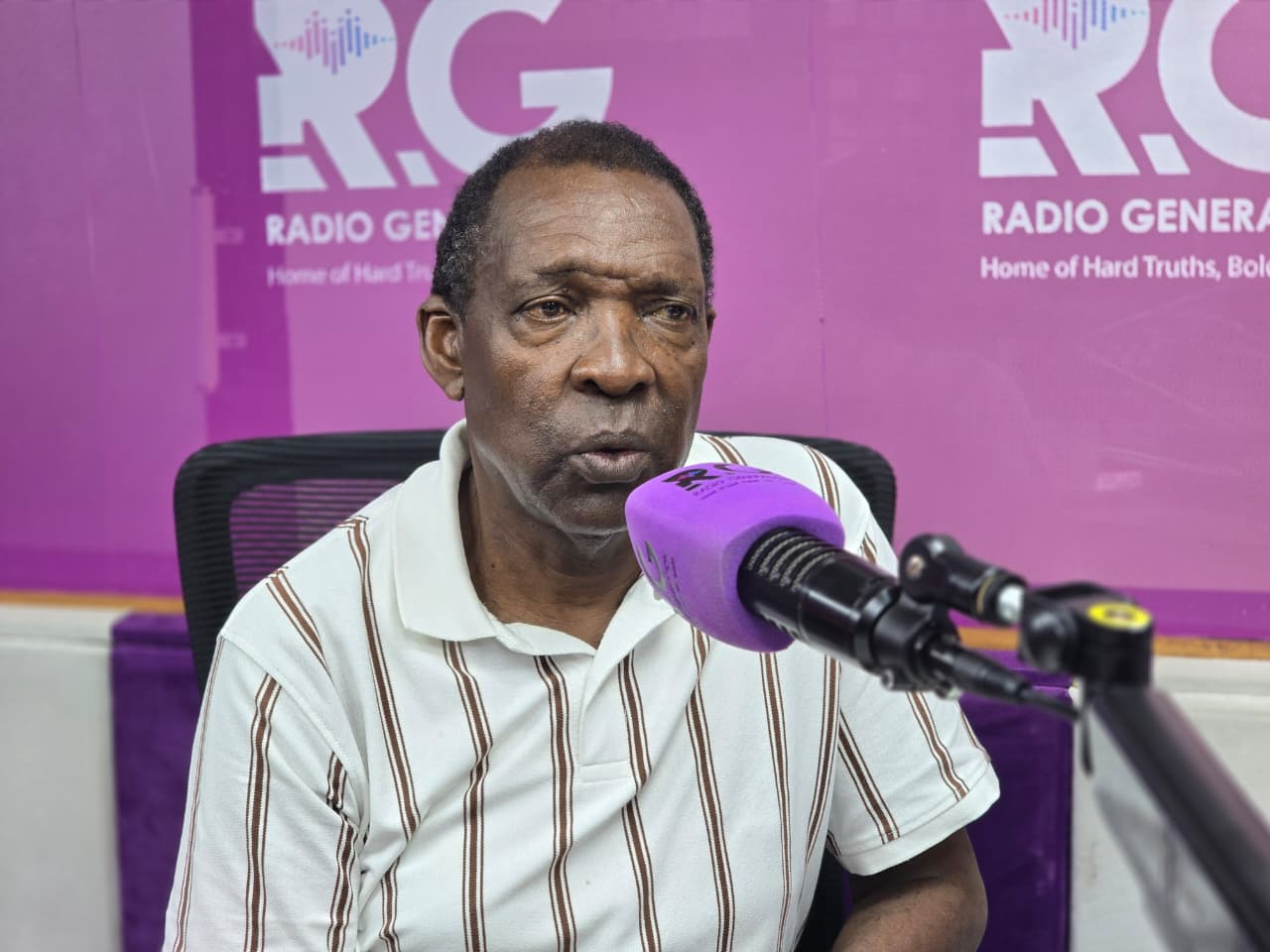
Speaking during an interview on Radio Generation on Friday, Manyora said Kenya must accept that its current leadership habits clash sharply with the system that helped Singapore grow into a global economic model. He said the mindset of those in charge makes it impossible to build a clean and disciplined government structure.
“You cannot drive a Singapore model if your intention in whatever you do is to make some money to steal. How can you become Singapore?” he posed. “A leadership that is defined by theft cannot change a country into a Singapore.”
According to him, Singapore’s transformation was anchored on one core pillar: merit. He said the country advanced because it placed the most qualified people in every important post, a commitment he believes Kenya abandoned many years ago.
“Singapore did nothing but the best,” he said. “Anytime you have an appointment, you give it to the best person. That’s how Singapore became what it is. Is that what we are doing in this country? Everything’s laughable.”
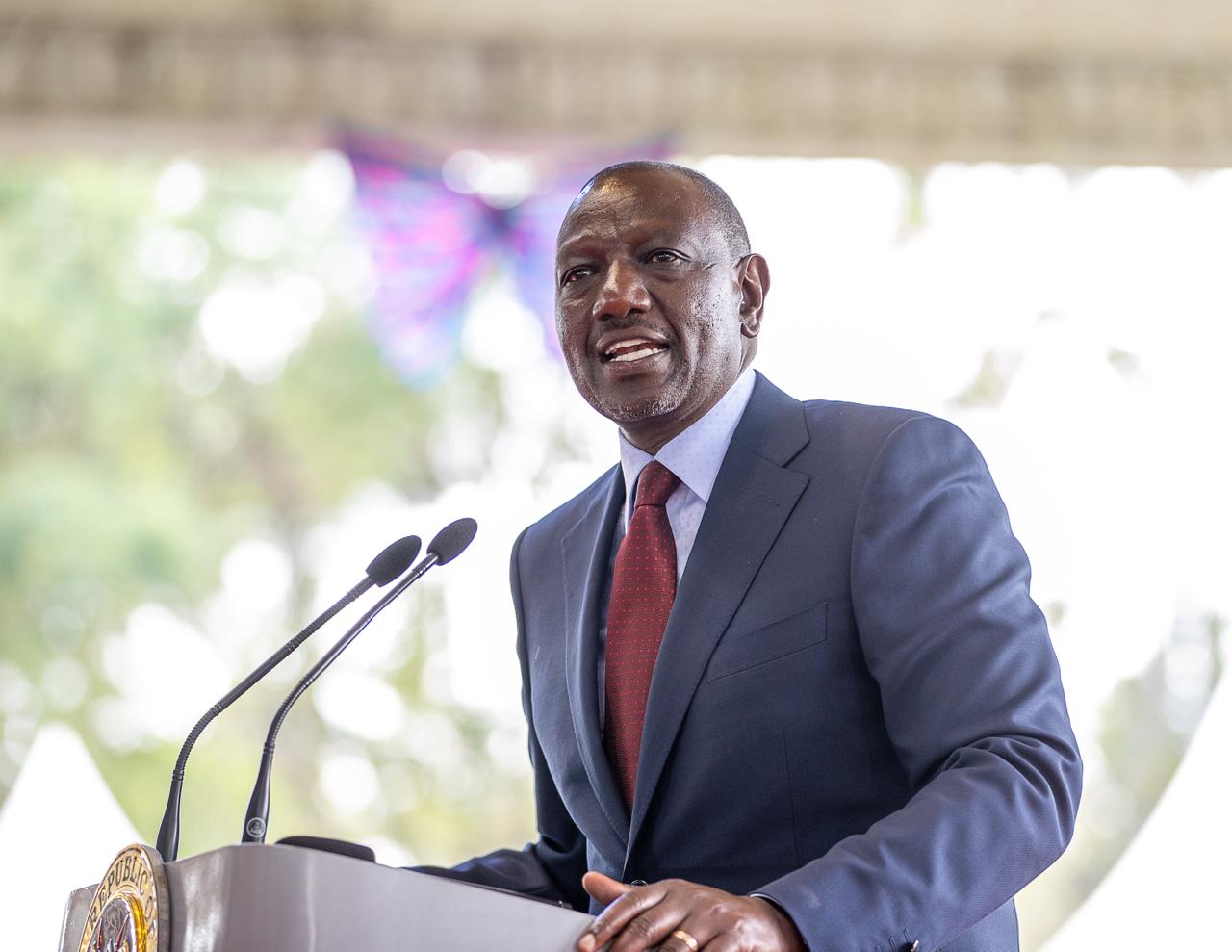
His remarks come after President Ruto on Thursday cited Singapore as an example of a nation that transformed itself through bold, disciplined and deliberate choices, unveiling a Sh5 trillion ambitious roadmap anchored on four national priorities that he said will propel Kenya to a first-world.
"I have often spoken of the Asian Tigers, South Korea, Singapore, Hong Kong, and Malaysia… They had no extraordinary resources. They were not superhuman. They simply had the courage to make bold, disciplined, deliberate choices, "he said.
Manyora said Kenya’s culture of appointing people based on political friendship, ethnic ties, and personal loyalty has weakened public institutions and limited the nation’s ability to grow. He warned that no country can progress when ability takes a back seat to tribe or political reward.
“You cannot be a Singapore in a country where there is no merit in appointments,” he said. “Where tribe is more important than ability, where the reward system operates, you can’t be a Singapore.”
He added that the crisis is not only rooted in politics but also in the values held by many individuals. He compared Kenya’s approach to that of societies where personal conduct is guided by concern for family honour, integrity, and community welfare.
“Some countries have values… whatever you do, you think about the shame you have brought to the family,” he noted. “Am I advancing the interest of the community? Am I advancing the interest of the nation? We don’t have that.”
Manyora expressed frustration that individuals who were educated through serious sacrifice by their families often end up enabling harmful practices for personal gain. He pointed out engineers who approve weak road designs, officials who pass expired medicine, and inspectors who allow dangerous goods to reach consumers.
“Our own boys and girls we have taken to school are the ones approving poison into the country… sugar that has mercury,” he said.
To end these patterns, he proposed major changes in how the country manages money and financial movement. He said corruption grows because questionable funds move easily and often without anyone asking hard questions.
“Let us make it very difficult for somebody to handle money,” he said. “You cannot just wake up from nowhere and buy a house of 120 million and nobody asks you a question.”
Manyora said large transactions should only be possible through transparent banking systems that automatically alert state agencies.
“The moment you want to register that property, KRA is aware, DCI is aware… all these agencies know there’s a house being registered,” he explained.
He believes that if Kenya embraces such reforms, supports merit, and rebuilds its value system, the country could experience a serious turnaround. “In 10 years, money will be placed where it belongs. It is a means for transaction, nothing else.”