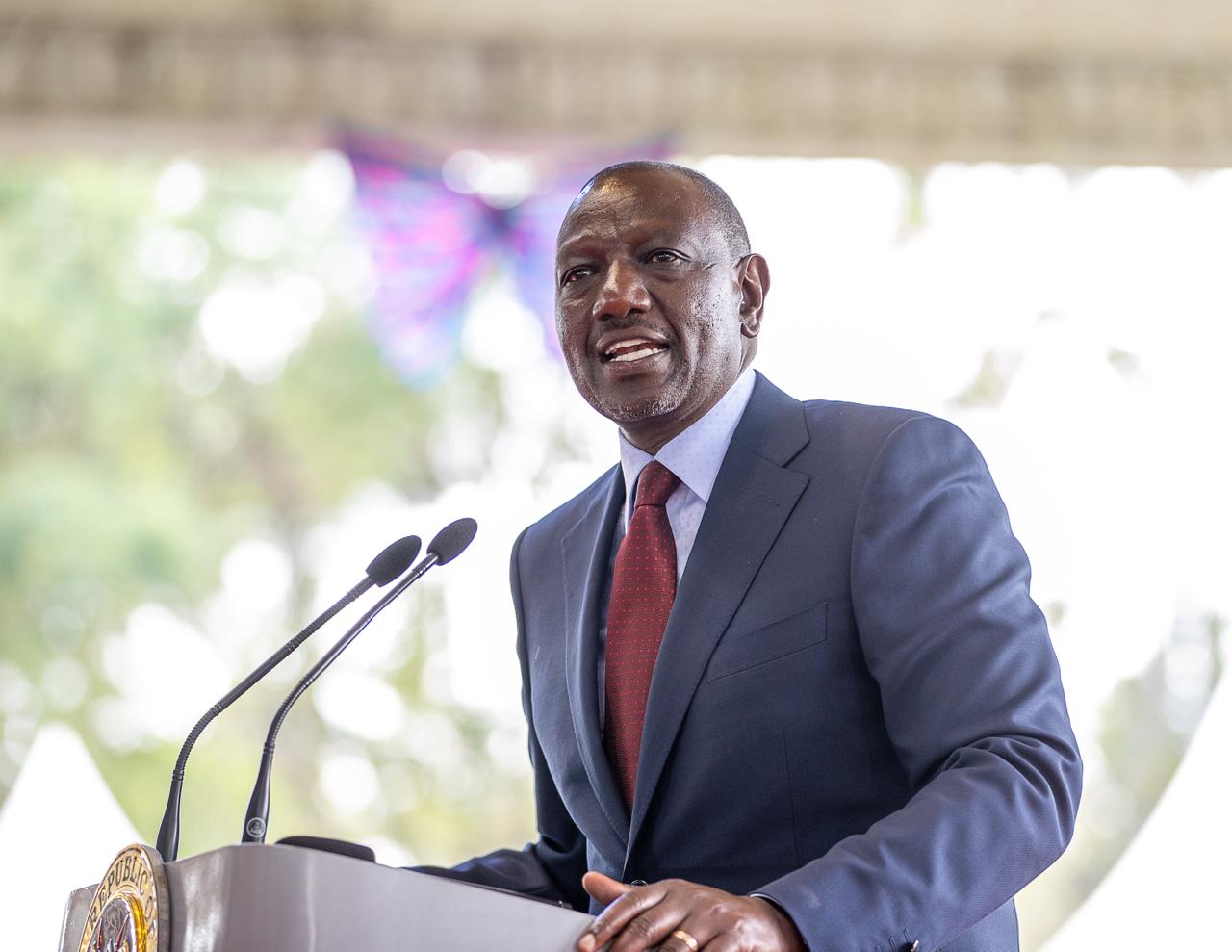
Lawmakers from Northern Kenya have accused the President of overlooking their region in his recent State of the Nation Address, saying the speech failed to reflect the realities facing communities in arid counties.
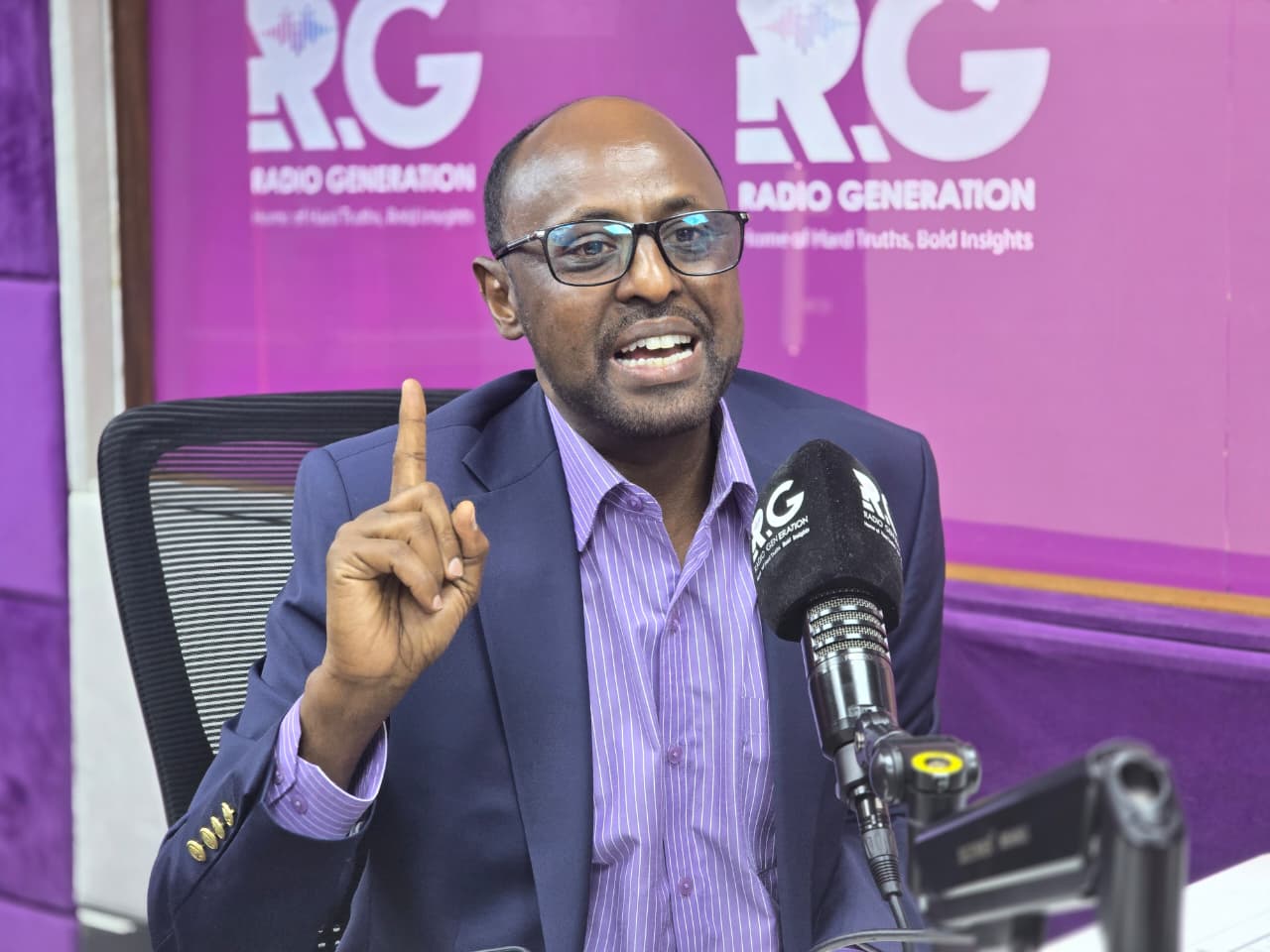
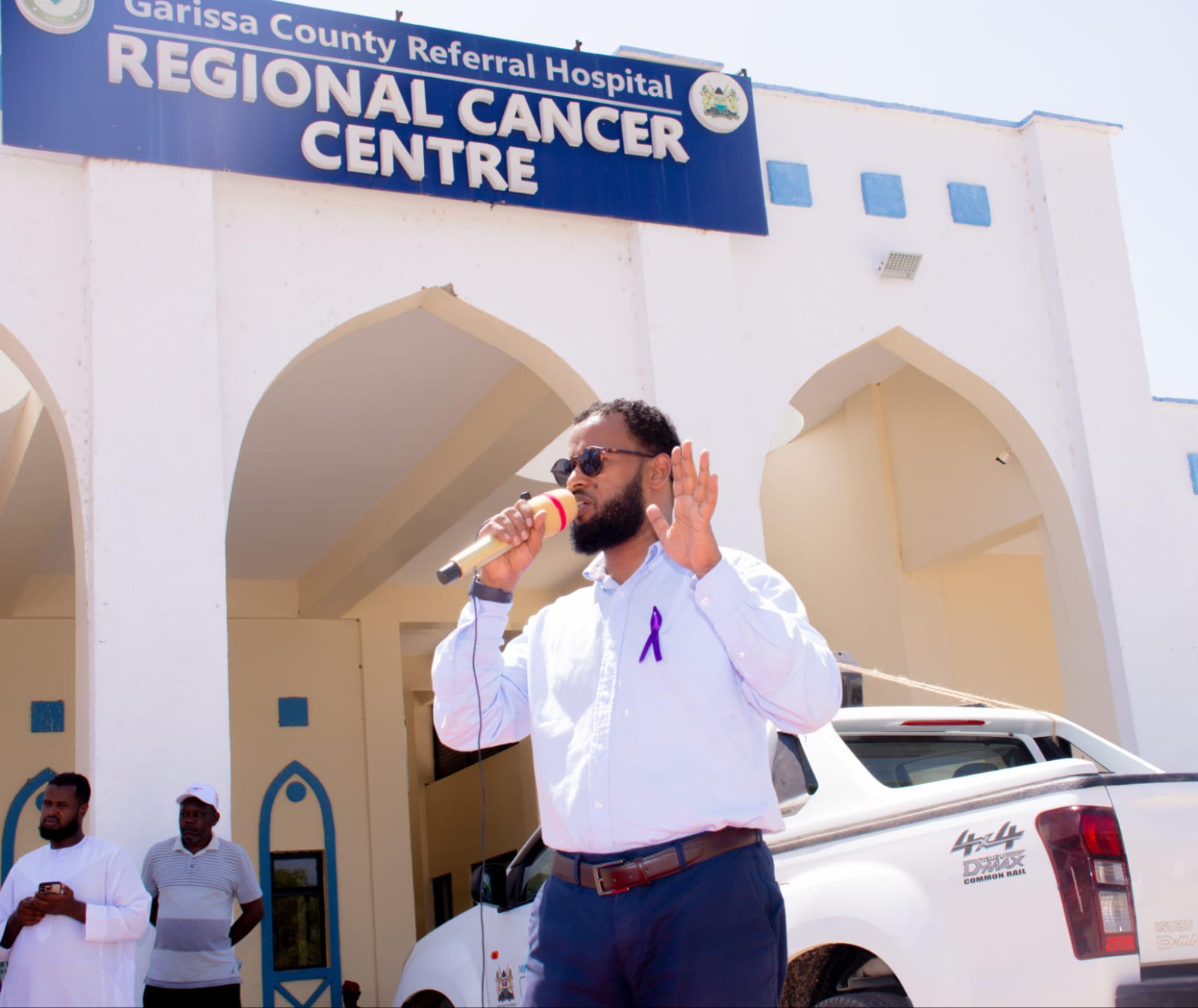
Led by Wajir South legislator Mohammed Adow, the legislators said the address offered little hope for a region that has long battled limited support from the national government.
Adow told reporters on Thursday that key areas such as agriculture were spoken about in a narrow way, with the focus placed on coffee and sugarcane, while livestock was barely touched. He said the omission showed there were no new plans to uplift pastoral families who depend fully on animals for their lifestyle and income.
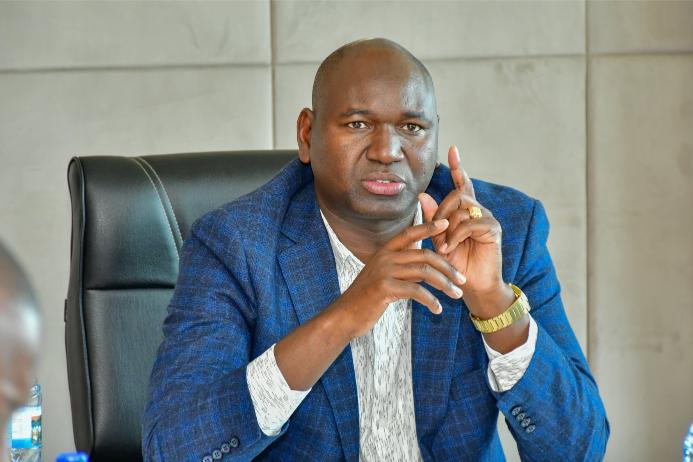
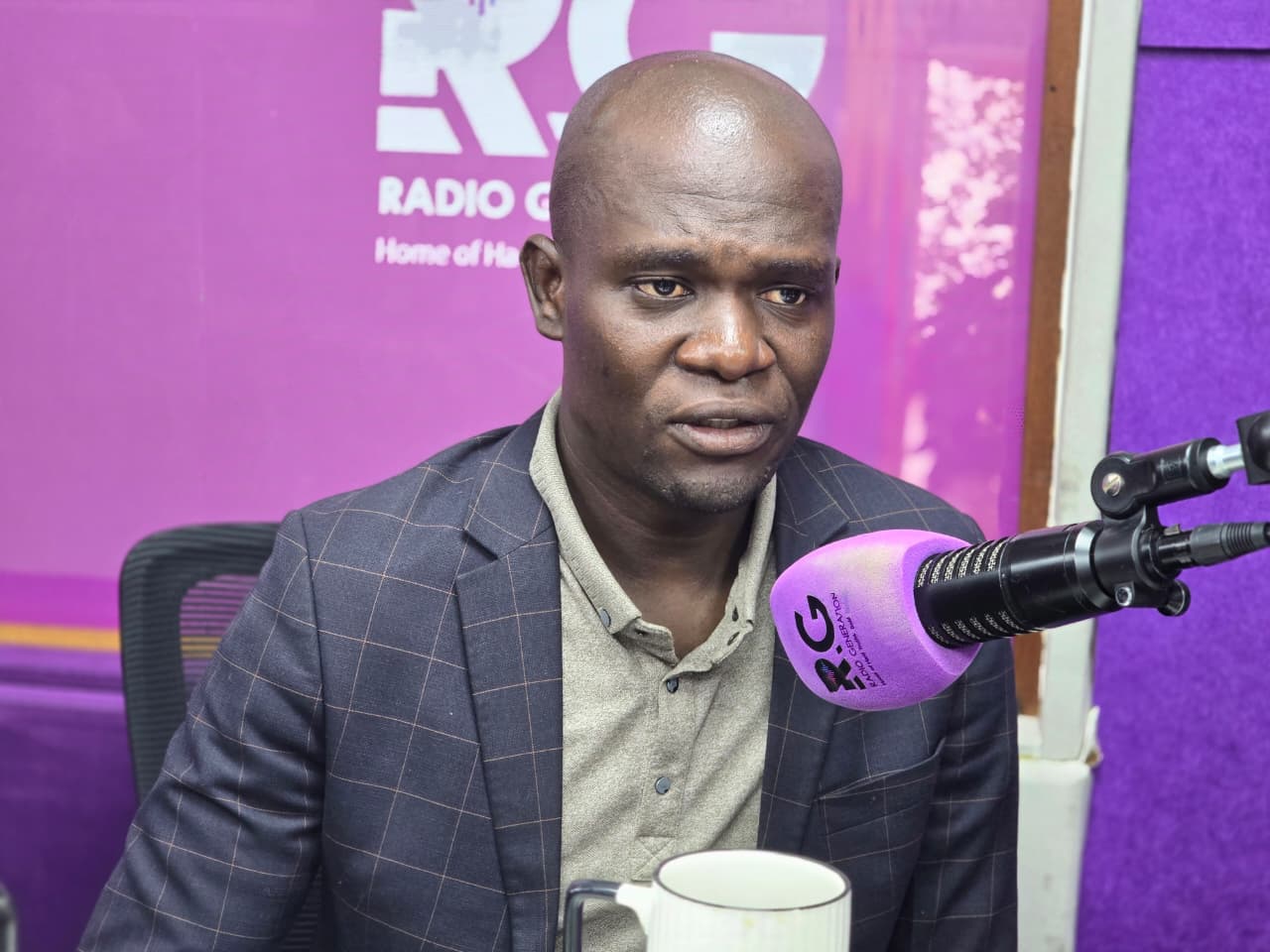
His counterpart, Wajir North MP, Ibrahim Abdi Saney said, “We don’t believe in whatever is being said, the President deliberately ignoring northern Kenya," he continued, "He is talking about Agriculture, farming that has not been seriously captured. We as MPs from Northern Kenya, ours is to protest that we are ignored, abandoned, marginalized and we are not happy with the address of the President in its entirety.”
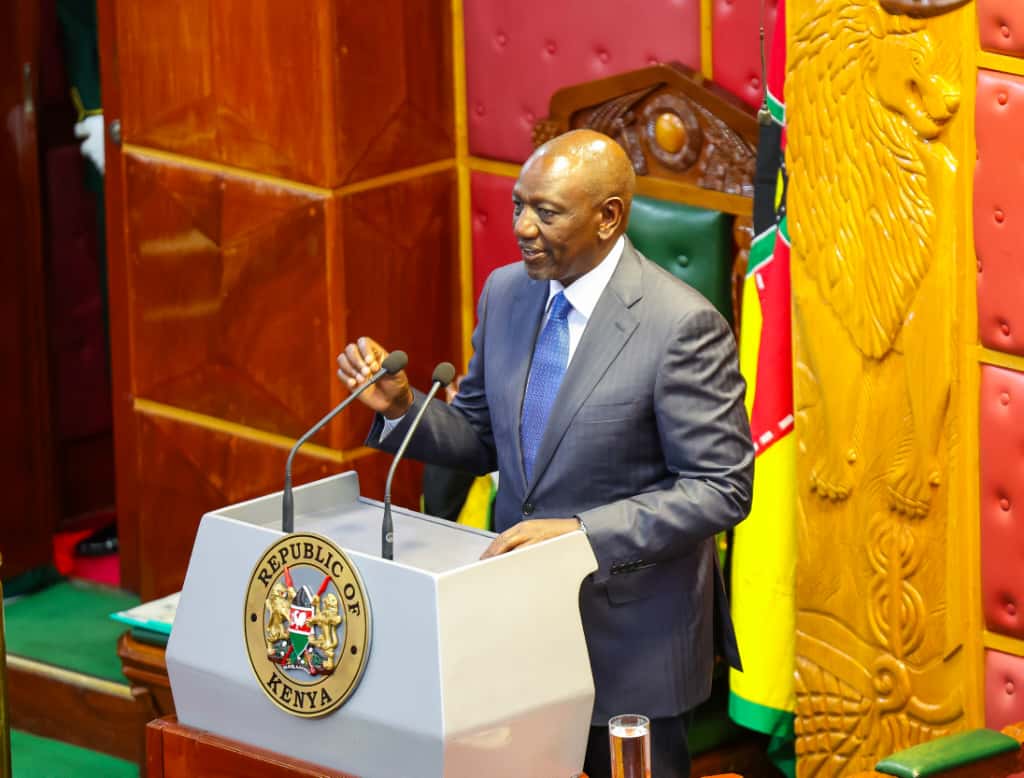
The legislators took issue with figures the President highlighted during the speech, insisting they did not match the situation on the ground and were being used to give a false impression of progress. Adow said, “Actually, the figures he gave are not figures; we left while he was speaking in protest, because we feel we have been left out in the presidential speech and the government’s achievement.”
The lawmakers said their frustration was a reminder of an older policy that has shaped government action for decades. They pointed to Sessional Paper No. 10 of 1965, known as African Socialism and its Application to Planning in Kenya, saying it continues to influence development choices in a way that disadvantages their region.
The paper, Kenya’s first national development guide after independence, supported the idea of investing public money in places considered high-potential. These were areas with good rainfall, strong farming systems, and better transport. As a result, large dry parts of the north were pushed aside, creating an imbalance that many leaders say still affects public spending.
According to the MPs, this policy direction has worked against communities in the north whose economic strength comes from livestock, not crop farming. They argued that by bringing up Sessional Paper No. 10 during their response to the President, they were showing that old attitudes had not changed, even with new leaders in office.
The group said, “Northern Kenya are really missing out, we are really in dire need of consideration by the Kenyan government,” urging the President to rethink his plans and include the region’s needs in future national priorities.
Their remarks highlighted long-standing concerns over public services, roads, and investment gaps that have shaped daily life across the region for years.
By comparing current leadership with past policy approaches, the MPs argued that the country has yet to break away from decisions made six decades ago.
They explained that their walkout during the address was both a message and a demand. It was a message to show their frustration with what they viewed as general statements, and a demand for real changes in support for livestock, which remains the backbone of their counties.
The lawmakers insisted that the government must not rely on familiar promises but instead rebuild its agenda to properly reflect the needs of Northern Kenya. As the country moves ahead, they warned that the real test will be whether the government puts forward action that addresses the region’s concerns, or whether past inequalities will continue to shape future development.