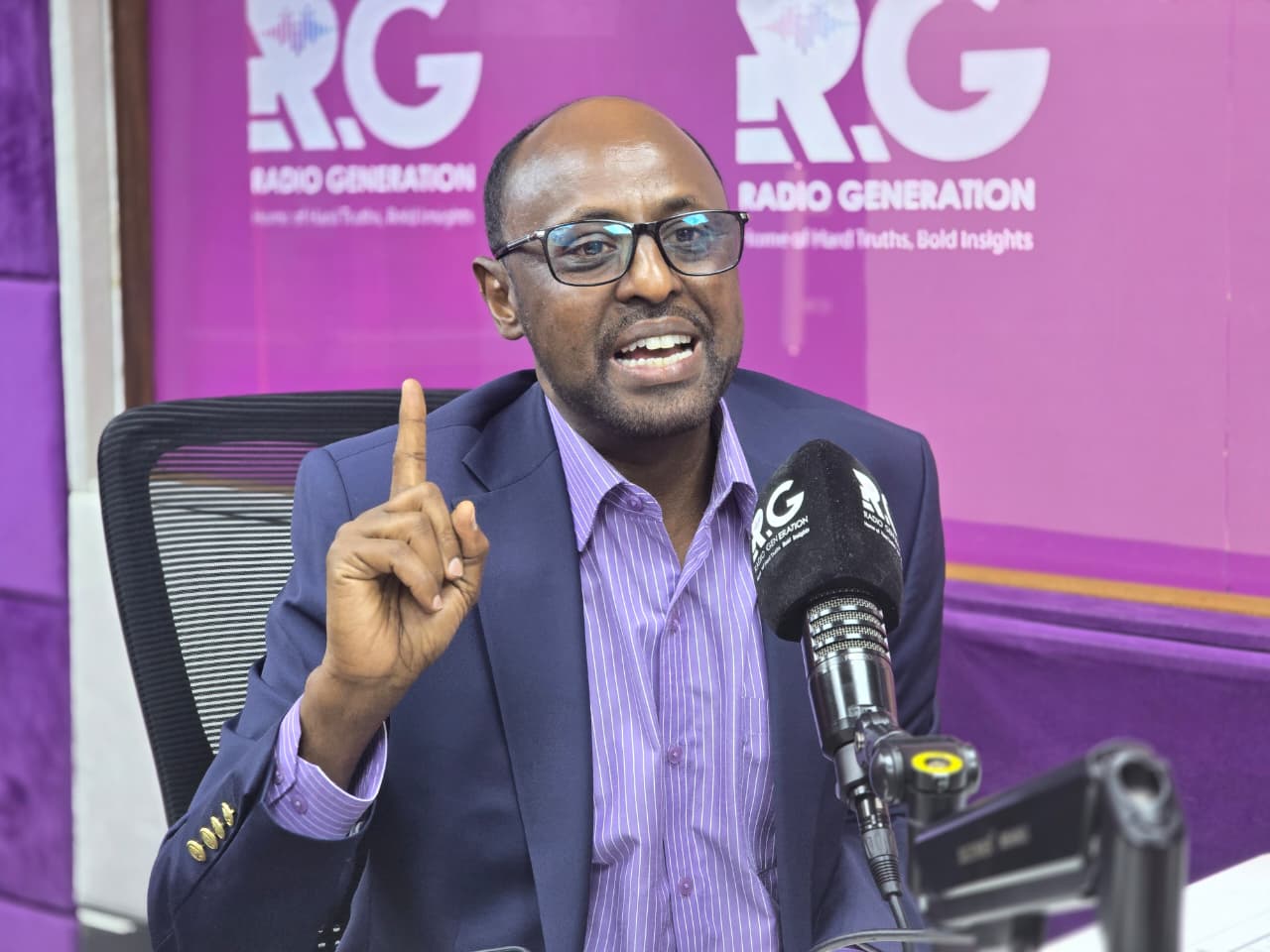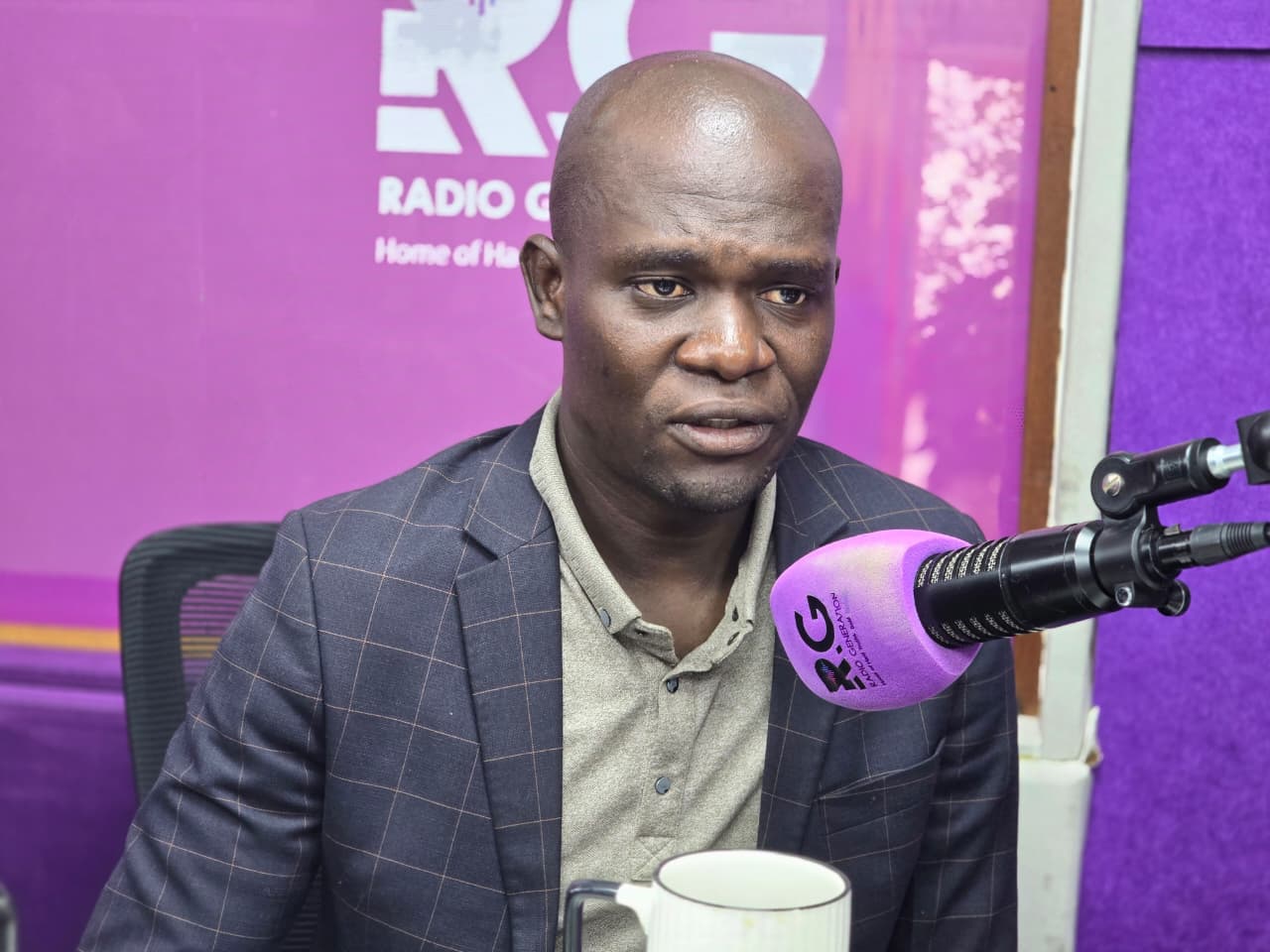
Political economist Billow Kerow has criticized the Kenya Kwanza administration for failing to match its budget allocations with its Bottom-Up Economic Transformation Agenda.
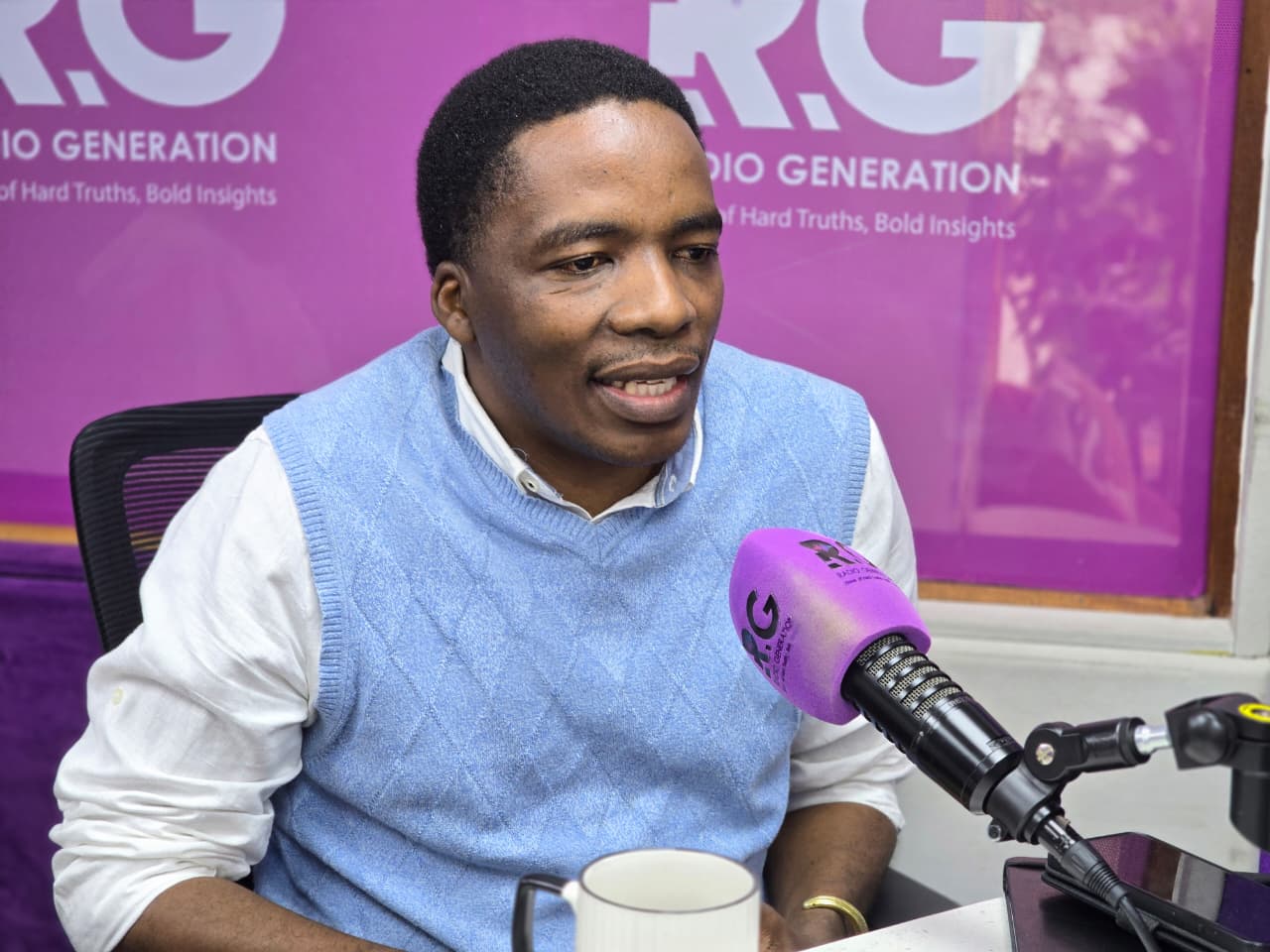
Speaking in an interview on Radio Generation, Kerow argued that while the government highlights agriculture, housing, health care, digital infrastructure, and SMEs as its main focus areas, the actual budget tells a different story.
“Every government that comes in has its own blueprint for development or growth, whatever they call it. This government said we have something called the Bottom-Up Economic Transformation Agenda, centered around five key things,” Kerow said.
“One is agriculture. The other is housing, affordable housing. The third is universal health care. The fourth is the digital superhighway, and the fifth is SMEs. They said, this is our five areas. We are going to build money, and we use it to lift Kenyans from the bottom to the top.”
Kerow said that despite these stated priorities, the bulk of government spending continues to go to expensive infrastructure projects and security, which do little to reduce the cost of living or improve competitiveness.
“For example, infrastructure, very high cost, very expensive infrastructure that did not change anything. The SGR under Uhuru did not change anything. The cost of production or the cost of doing business in this country remains very high,” he said.
He added that spending on security alone likely exceeds the combined allocations for agriculture, SMEs, and universities.
“You have priorities, but the amount of money you are putting into them doesn’t reflect that priority,” Kerow noted.
While acknowledging some progress, he said implementation has been inconsistent.
“They have tried things, like SHA helping the universities. It’s not just about allocating money, but about introducing specific financing,” he said.
“In the same way, with affordable housing, they introduced taxes to finance it directly. But still, can we say they have been successful? Has it really made a difference?”
Kerow also questioned the practicality of translating long-term plans into actionable strategies.
“It’s really difficult to have a plan that stretches 10 to 15 years. The President has plans that should span several decades, which is good. But what is difficult is making that 10-year plan granular and actionable,” he said.
He further added that while the government’s agenda remains a work in progress, its impact is still not visible to ordinary citizens, particularly in areas such as food security and essential services.