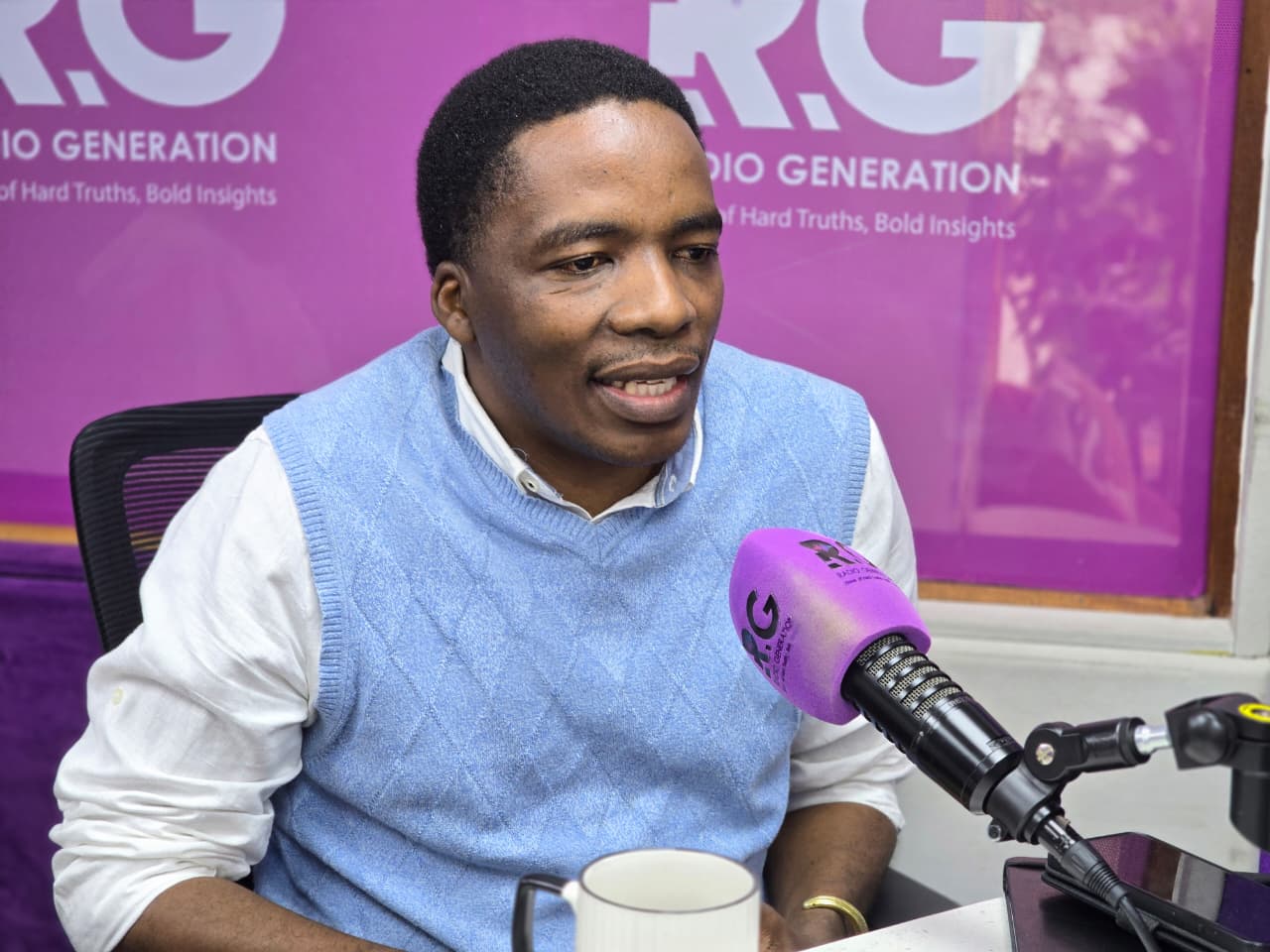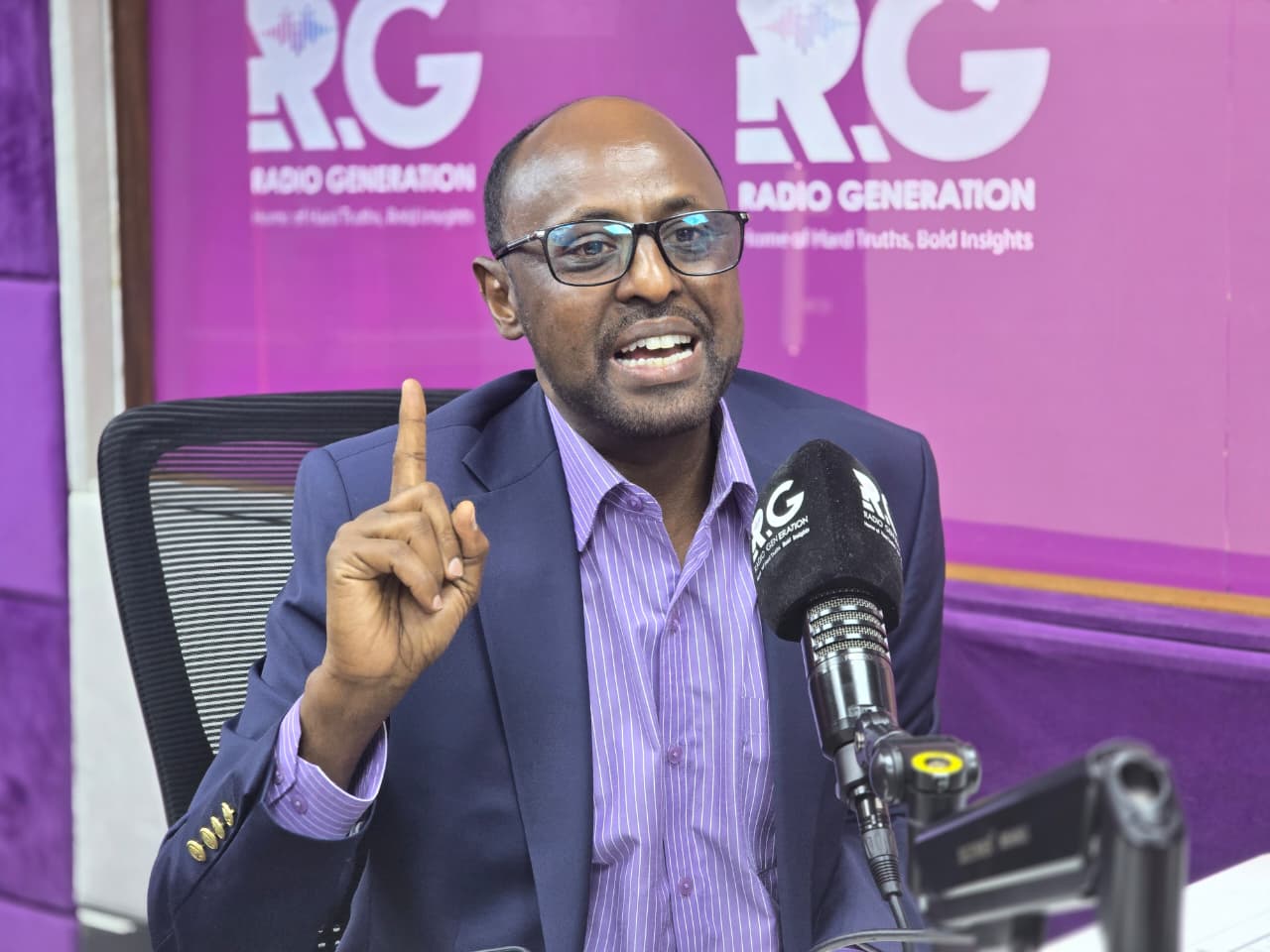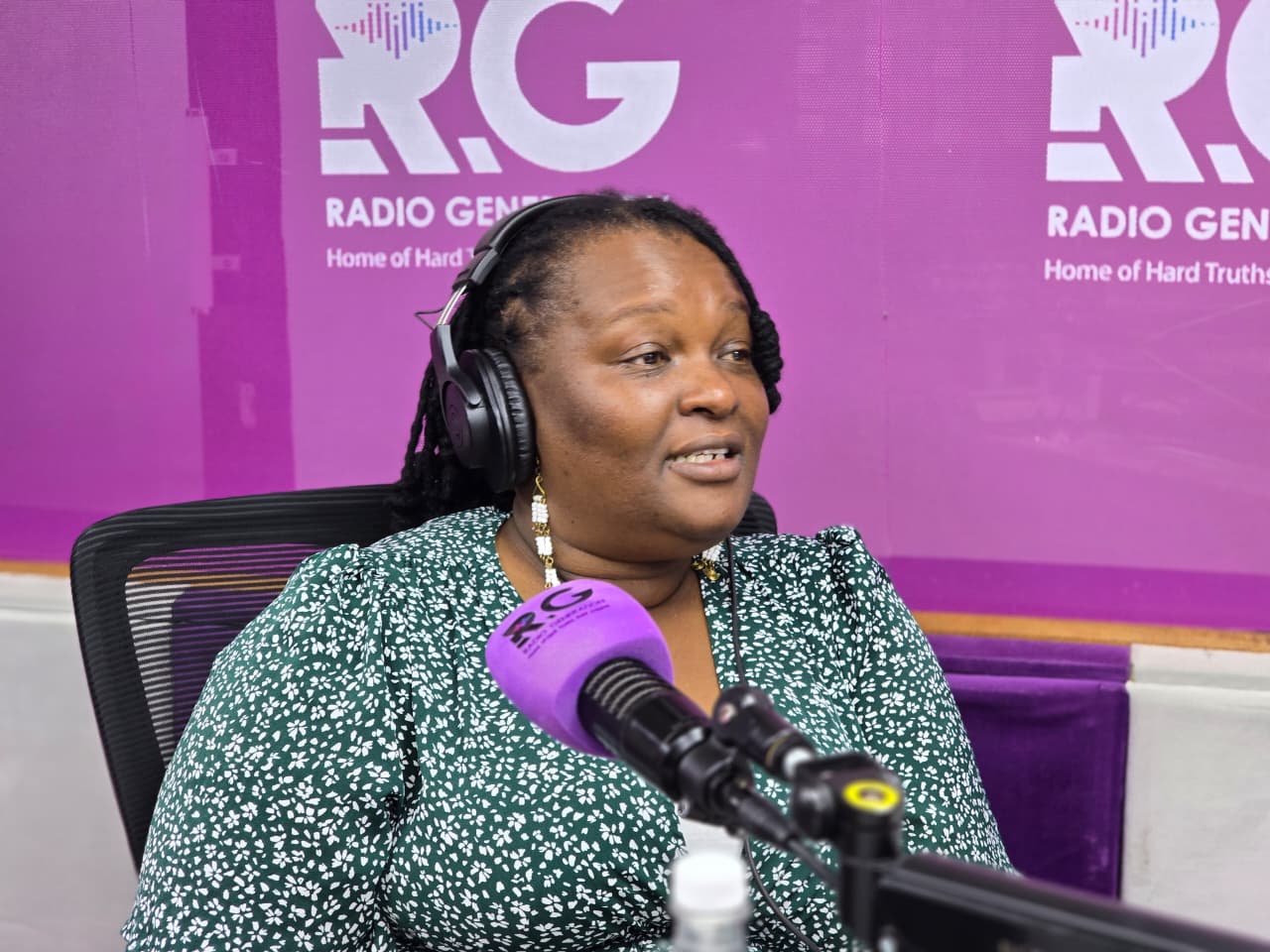
Kitengela International School head Anne Muchoki says the community service part of the Competency-Based Curriculum offers Kenya a real chance to rebuild social ties in a society she describes as becoming too individualistic.
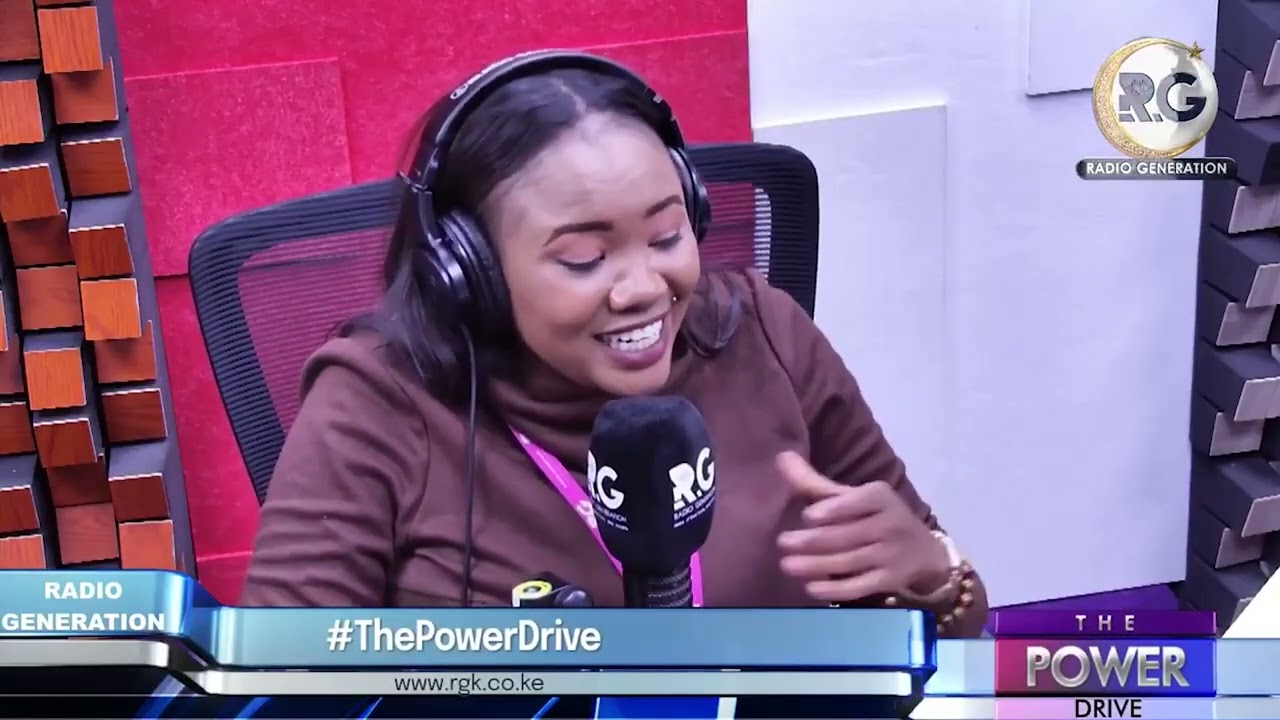
Speaking during an interview on Radio Generation on Tuesday, she said the curriculum pushes learners to think widely and to work with others, a shift she believes is needed as the world changes.
Muchoki contrasted the approach of CBC with the 8-4-4 system, noting that one encourages global awareness and deeper thinking while the other depended heavily on memory work.
She said that although CBC still faces hurdles, especially in its full roll-out, it introduces new ways of teaching that shape how learners think, relate with each other and understand their surroundings.
CBC was introduced to replace 8-4-4, placing strong focus on practical learning, creativity and full development of the learner.
The system, implemented from 2017, aims to equip young people with knowledge, reasoning and life skills.
Education experts say the curriculum offers pathways in science, humanities and the arts, but warn that resource shortages continue to hold back many public schools.
The roll-out marked a major national move to prepare students not only to pass exams but also to solve real-life problems and explore their potential in social and creative areas.
According to Muchoki, changes had become necessary.
“The 8-4-4 system was very theoretical,” she said.
“We needed to change it because it limited creativity and practical skills.” She added that CBC aims to build competencies, knowledge, attitudes and abilities that can be applied in daily life.
The curriculum covers all stages of learning, starting from early childhood and running through primary, junior secondary and senior school.
At senior level, students choose among three main pathways.
The Digital Science and STEM route includes pure sciences, applied sciences and technical fields like aviation, electronics and computer science.
The Humanities and Social Sciences path focuses on subjects such as history, geography, languages and social studies, with room for analysis, research and understanding society.
The Creative and Technical Arts route gives space to learners gifted in music, visual arts, theater, dance, sports and technical crafts.
Muchoki said these pathways revive areas that had been pushed aside in the past, especially artistic and practical talents.
She said CBC also brings in cross-cutting elements such as digital literacy, entrepreneurship, life skills and community service learning, all meant to help learners grow into responsible and aware citizens.
She highlighted the value of teaching ideas from local to global contexts.
“The outlook at senior level is local, regional, international,” she explained.
“So we’re going to learn things like BRICS and G20, the Ukraine war, they give you the freedom to do so.”
She noted that CBC encourages analysis, evaluation and understanding, unlike 8-4-4, which rewarded recall.
“Our education system is very rote learning,” she said, pointing out that the new approach pushes learners to justify, analyse and compare.
However, she acknowledged that CBC’s promise is held back by limited resources in public schools.
She said many institutions lack trained teachers and materials. “A lot of public schools may not be able, whether it’s with teachers or equipment, to ensure that students achieve their potential in the creative pathway.”
Costly supplies for arts, theater and technical subjects, combined with the need for specialists, have made it hard for some schools to run the full curriculum.
Muchoki spoke strongly in favour of the community service part of the curriculum, saying it can restore values that have grown weak.
“There’s the community service learning, which shows us how to be together,” she said.
“We have not looked into that. We are very Kenyan. We are very capitalist, extremely capitalist.” She said the country’s social environment is shaped by individualism and a “hustler nation” mindset, even though people rely on each other.
“We are community human by nature,” she stressed.
“Despite us not liking people, we need people.”
She linked the country’s social divide to differences between generations. She said Gen Z often challenges authority, millennials leaned toward self-reliance, while older generations were taught to follow authority without question.
In her view, community service learning could help build a more balanced society by teaching younger people to appreciate teamwork and shared responsibility.
Muchoki also raised concerns about the rigid nature of school life in Kenya, which she believes limits independent thought.
“We regiment children from the beginning,” she said. “Same uniform, same hairstyle, same class… where thought is not encouraged.”
She added that even in performance events, learners follow strict patterns. “There’s a certain way you have to say the poem.”
According to her, CBC’s community-centred projects can break these habits by allowing learners to interact with real problems and real communities.
She said such work builds empathy, cooperation and understanding, qualities she feels are missing today.
“We have not taught life skills,” she said, noting that older generations were trained to do practical tasks like sewing or simple home repairs.
She said the shift in learning is linked to changes in the job market, especially because of fast-growing technology. With advances in artificial intelligence, she said learners will need to think, work with others and develop practical skills.
“Most of us are going to be replaced by AI in the next 10 years,” she warned, encouraging young people to explore hands-on trades.
She said, “the artisans that you look down upon are the ones that are going to be the rich ones in future.”
While she remains concerned about unequal access within the CBC system, Muchoki said she is hopeful about its broader ideas. She believes its focus on global awareness, reasoning and community engagement offers a fresh direction after years of rigid schooling. As she summed up, “We are human by nature, we need people,” a message she sees as central to CBC’s community learning.