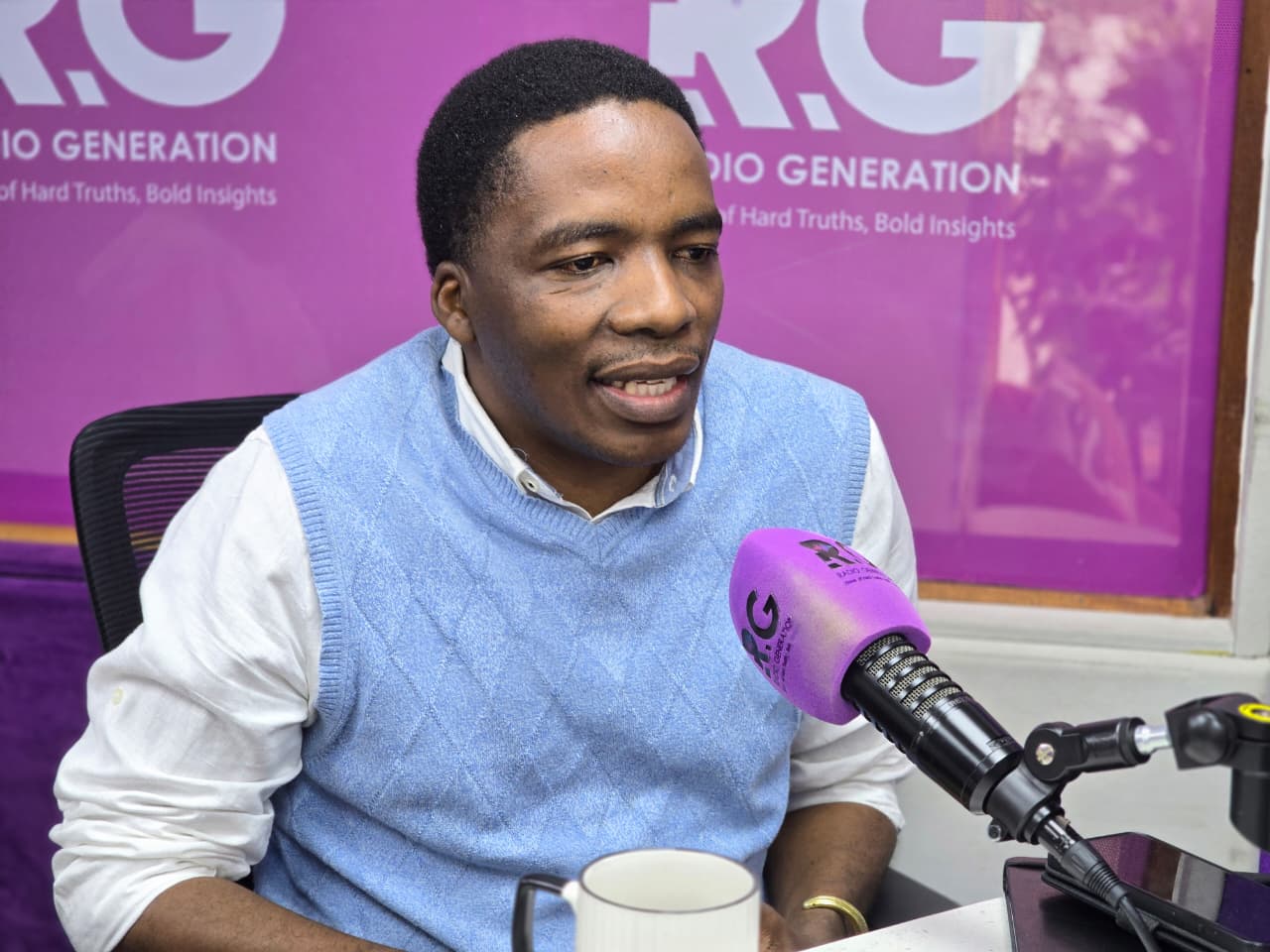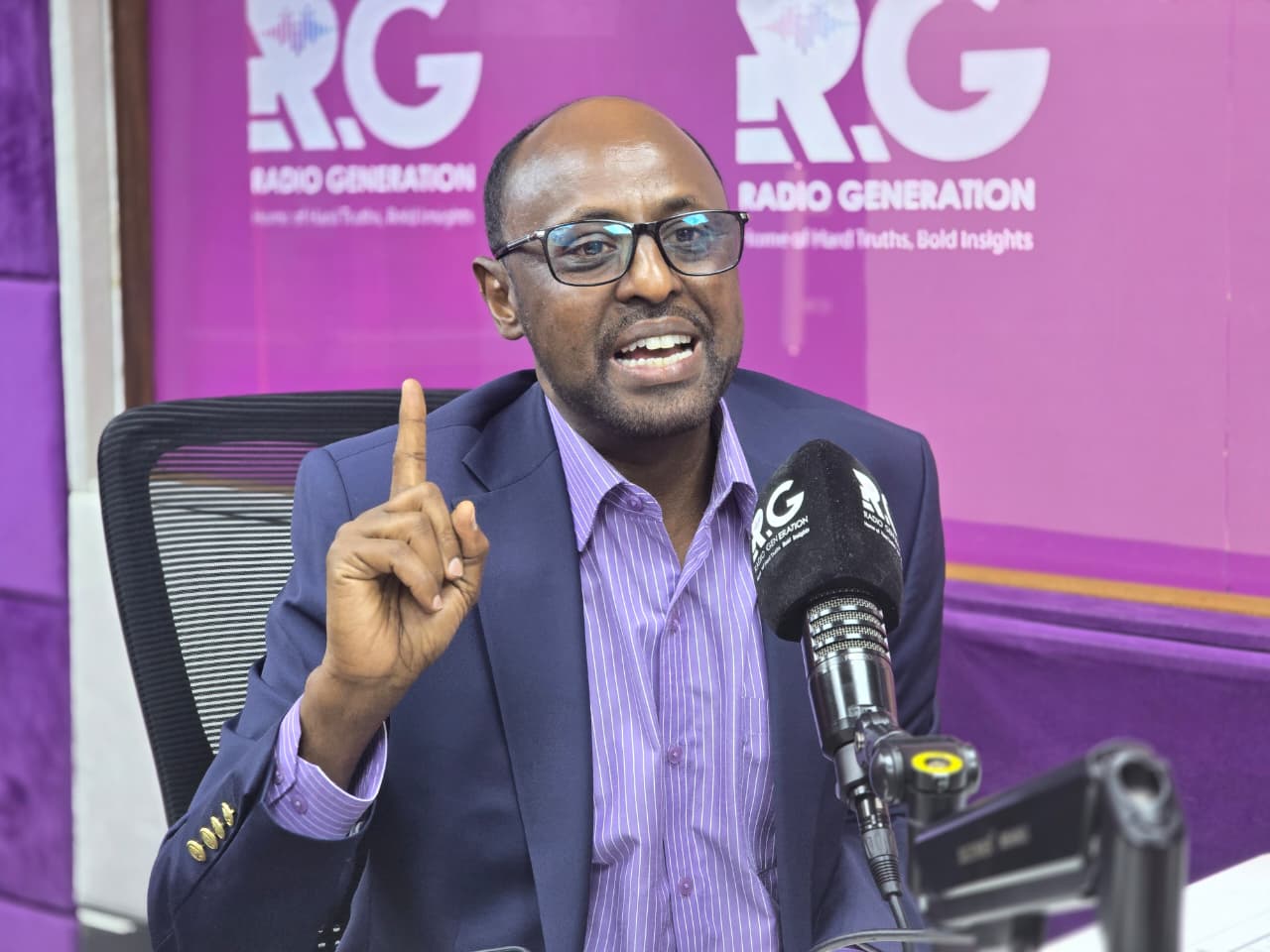
Advocate Elias Mutuma has laid bare the chaotic state of Kenya’s impeachment system, describing it as politically manipulated, legally weak and frequently abused.
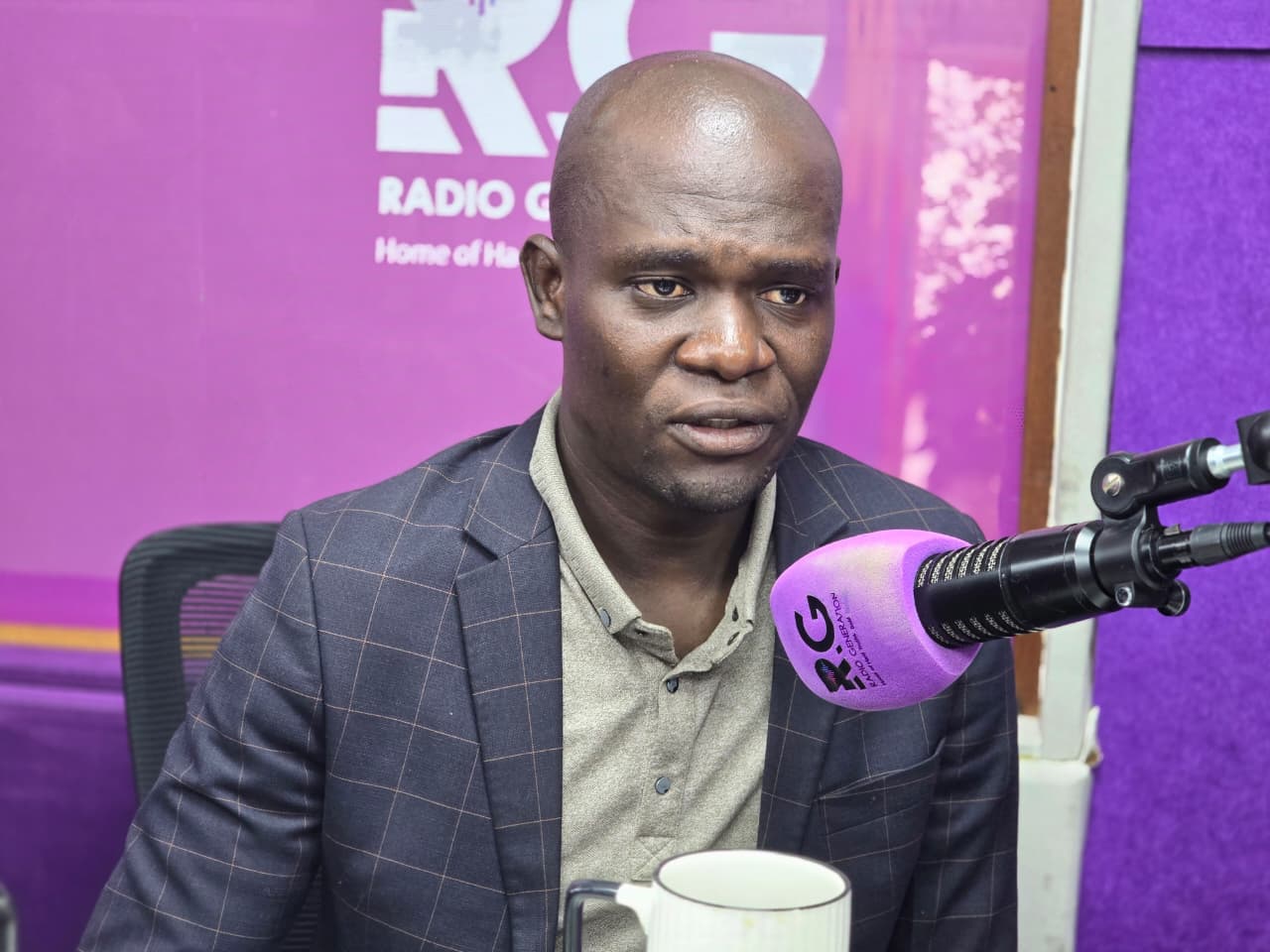
Speaking on Radio Generation on Wednesday, he says impeachment was meant to be a very powerful accountability tool, but has instead become a political weapon marred by vested interests, illegal procedures and rampant defiance of court orders by public officials.
Mutuma detailed the constitutional path for impeaching governors, citing Sections 33 and 181, which require charges to meet a high threshold.
“They must demonstrate that the violation was gross,” he explained, emphasising that “it’s not any other violation or unlawful act that empowers an MCA to move an impeachment motion.”
At the interview, he said he has handled seven impeachment cases between 2022 and 2025, said the current environment represents the busiest time of Senate in terms of impeachment, and he expects the next Parliament to be even busier.
Under the new constitution and the County Governments Act, impeachment of a governor begins with a motion in the county assembly.
The charges must meet a high threshold of gross violation of the Constitution or any other law, serious crimes, abuse of office, gross misconduct, or incapacity.
If a two-thirds majority of MCAs supports the motion, the case moves to the national legislature, the Senate of Kenya, which then decides whether to uphold the impeachment.
The Senate may form an 11-member committee to investigate, hear evidence from both sides, and prepare a report, or choose to hear the case directly in plenary.
If Senators find the charges substantiated, the governor is removed, and the deputy governor typically assumes office. In rare cases, courts have intervened afterwards on procedural grounds.
Since the 2013 start of devolved county governments, over 20 impeachment cases have been filed before the Senate.
Of these, only eight were upheld by the Senate as of the latest tracking, and far fewer resulted in a permanent loss of office.
Mutuma further exposed how Senate often acts inconsistently, shifting between full plenary hearings and 11-member committee investigations.
He said the process is supposed to be a quasi-judicial process, where senators act as judges, hear witnesses, examine evidence and ensure fairness.
But beyond procedural flaws, he said the real crisis lies in the defiance of court orders by public officials, including top national leaders.
“We have seen senior members of institutions calling court orders suggestions,” he said, calling this behaviour “nothing but a culture of impunity.”
From 2013, Kenya has experienced impeachment of the following Governors: Mike Sonko, former Governor of Nairobi, was removed in 2020 after the Senate upheld charges of gross misconduct and abuse of office.
Governor Ferdinand Waititu, the then-Governor of Kiambu County, was also successfully impeached.
Governor Kawira Mwangaza, then Meru Governor, who became the most recent high-profile impeachment case, after three separate motions and a Senate hearing, her removal was finally upheld.
Governor Mohamed Abdi Mahamud, former Wajir Governor, was also impeached in 2021 over alleged financial mismanagement and abuse of office.
The Senate removed him, though he later challenged the decision in court.
Other impeachment attempts for example, against former Embu Governor Martin Wambora, Nyeri Governor Nderitu Gachagua, Taita-Taveta Governor Granton Samboja, and Kericho Governor Paul Chepkwony, failed at the Senate because they didn't meet procedural threshold for impeachment.
Mutuma said many assemblies ignore the required standards and even procedural safeguards.
For example, he referenced the case of Governor Kawira Mwangaza, where the law requiring at least seven days for a governor to respond was ignored.
“If you do not give her the seven days provided by law, she has a right to move to court and ask for the process to be declared procedural,” he said.
He warned that individuals, not institutions, should be held personally accountable.
“Court orders are not directed at amorphous bodies. They are targeted at specific office holders,” he said. “If there is defiance, it is the individual who must be held accountable.”
Mutuma also dismissed claims that certain senior officials cannot be arrested. On a warrant against the Inspector General, he said, “You’re not arresting the Inspector General of Police, you’re arresting the individual. Even a constable can arrest him. Even a citizen can arrest him.”
He said government officials often abuse institutions to shield themselves, but the law remains clear.
“The greatest violation of our Constitution is disobedience of court orders,” he said, insisting that officers who defy orders should face removal for gross misconduct.
He also recalled the Wajir case, where court rulings resulted in a bizarre situation: “For almost six months, Wajir had two governors. Each of them would claim authority.”
The advocate concluded that Kenya’s impeachment and accountability systems remain broken because of political interests, weak enforcement and a persistent belief that some leaders are above the law.