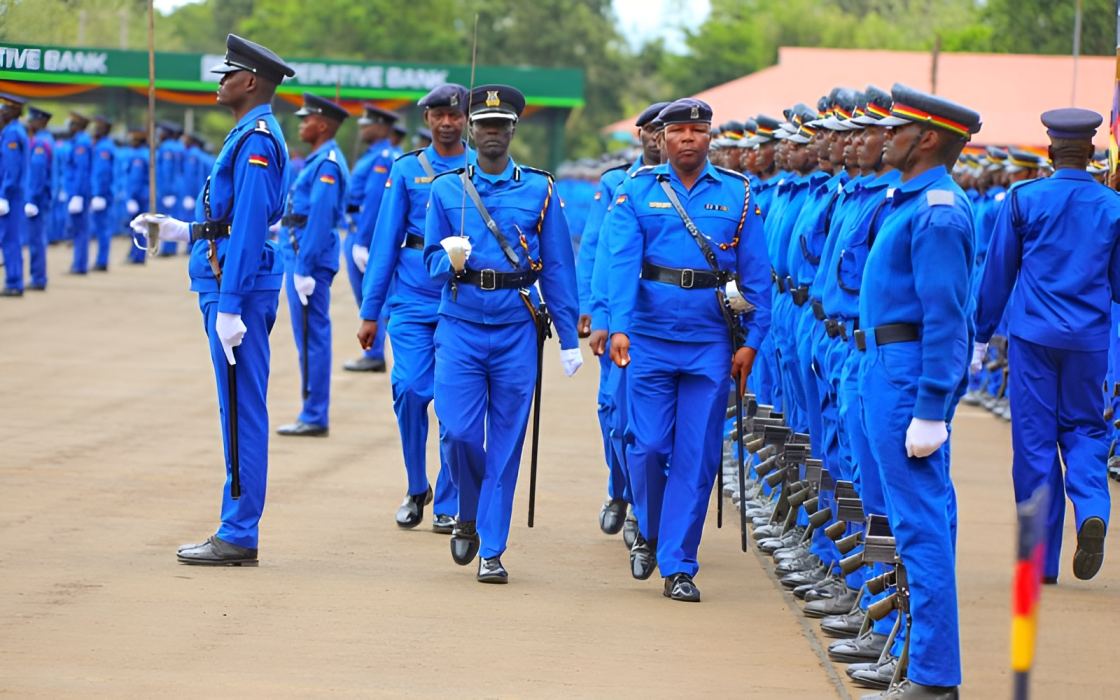
Kenya’s security system is confronting deep internal problems after a new government report revealed that offences involving police officers continue to rise even as most forms of crime ease across the country.
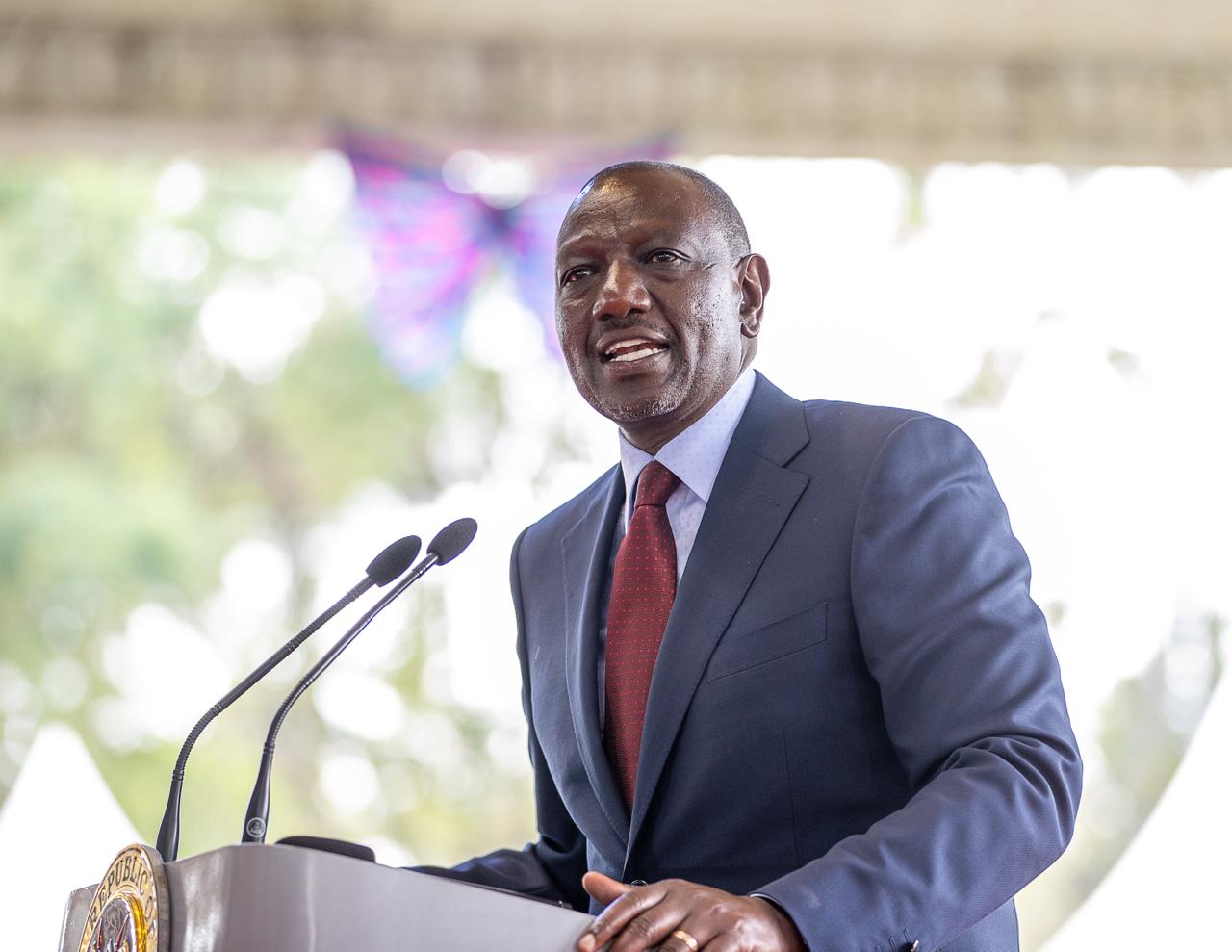
The 2025 National Security Report, presented in Parliament by President William Ruto, paints the picture of a police service battling both external threats and growing misconduct within its own ranks.
The report shows that although many common crimes recorded a drop, cases linked to police officers went up again during the 2024-25 period.
“Decrease in crime rates was recorded in most categories of offences except traffic offences, criminal cases, offences involving police officers and other penal code offences,” the document states. After a major jump of 70.4 per cent the previous year, these cases climbed by a further three per cent. A total of 237 police-related offences were documented in the latest cycle, compared with 230 the previous year and 135 in 2023.
While this trend raises concerns, other areas of crime saw improvement. Incidents of break-ins, stock theft, car theft and possession of harmful drugs dropped.
Stealing declined by 1,490 cases, while economic crimes fell by 531. Even so, the overall findings suggest a police service facing pressure from every direction — fighting extremist threats, gang networks and violent protests, all while struggling with corruption and wrongdoing from within.
The report also lays out the growing connection between crime and political influence. It says unemployed young people are being lured into criminal groups by political figures seeking to advance their interests.
“Intensified political contests in parts of the country fueled enlistment of vulnerable youths into criminal gangs and amorphous goons by some politicians to counter their rivals, thus compounding the situation,” it notes.
According to the findings, organised groups are active in extortion, robbery, mugging, illegal oathing, cattle rustling, land fraud, murder and drug distribution
. “They are also engaged in transnational crimes ranging from human trafficking, drug trafficking, smuggling of counterfeit and illicit products,” the report adds.
A new wave of youth-led gangs is emerging, including the group known as ‘Team Mbogi’ in Nairobi’s Umoja area, whose members are between 13 and 22 years old.
“This is signifying a trend of juvenile delinquency and involvement in criminal gangs,” the report observes. At the same time, arrests linked to some of the once-feared gangs have sharply reduced. Mungiki arrests dropped by 94.6 per cent, while others such as Gaza, Kata Hema and Usiku Sacco did not appear at all in the current arrest data.
Even with these declines, the report warns that several networks are resurfacing under new names and structures. It cautions that political backing is providing these groups with protection and resources, allowing them to operate with a sense of safety and impunity.