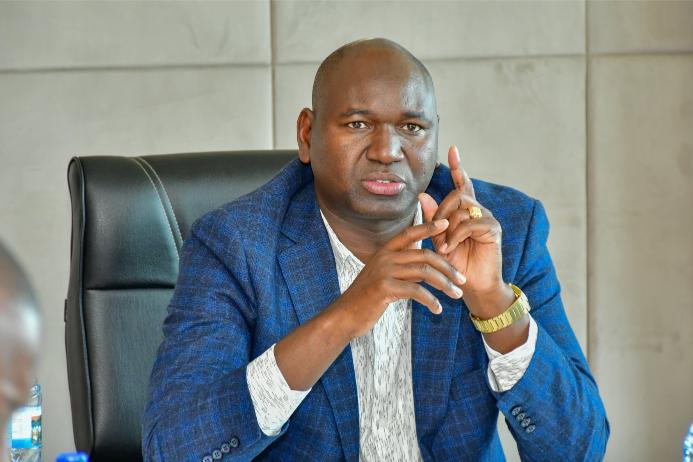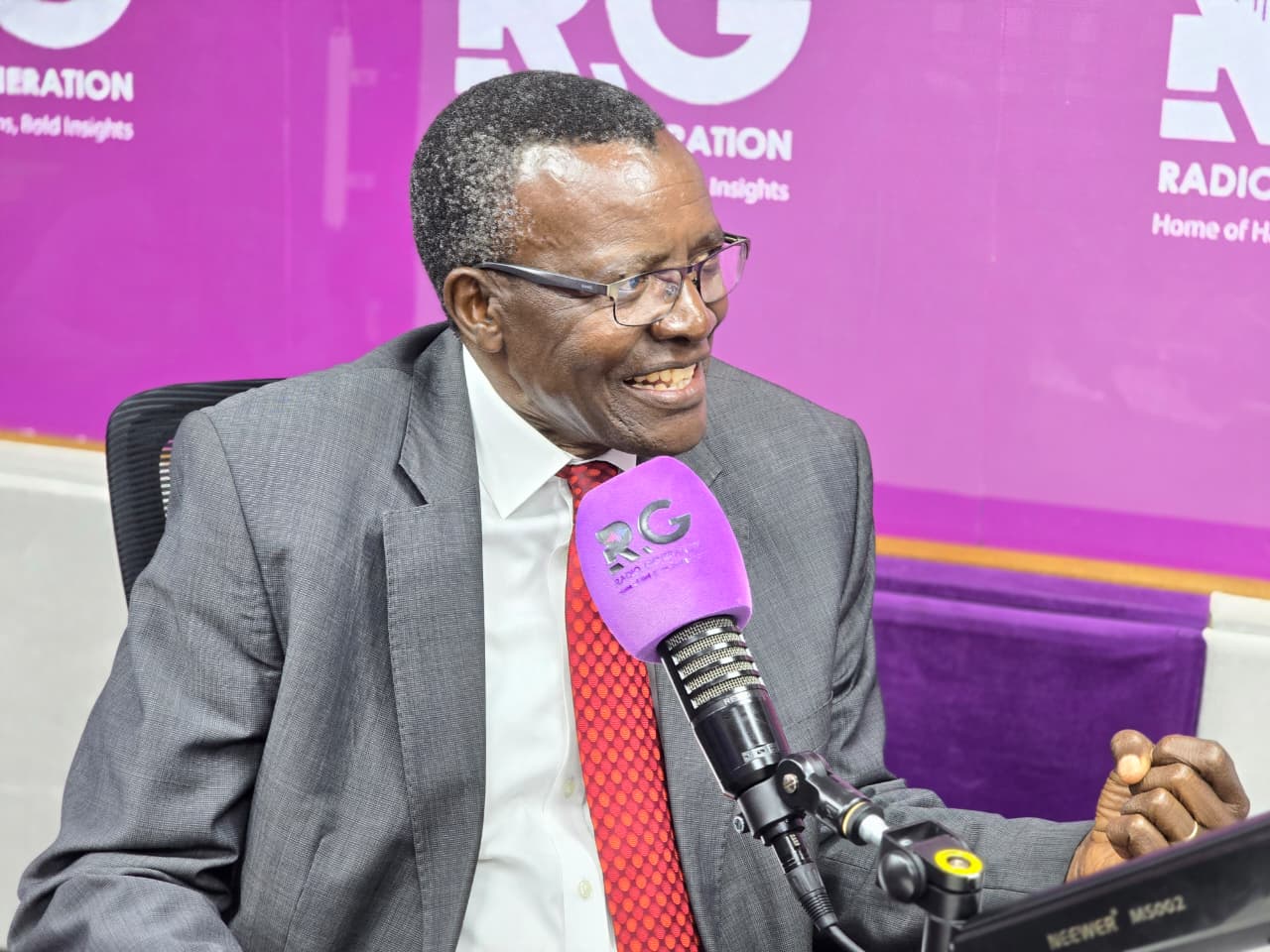
Former Chief Justice and presidential hopeful David Maraga has warned that Kenya is at a critical juncture, with corruption, impunity, and lawlessness threatening national stability.
Maraga described the system as extractive, accused leaders of facilitating budgeted corruption, and cautioned that without reform, the country risks collapse. He called for structural changes, top-level integrity, and electoral reforms that actively include youth.
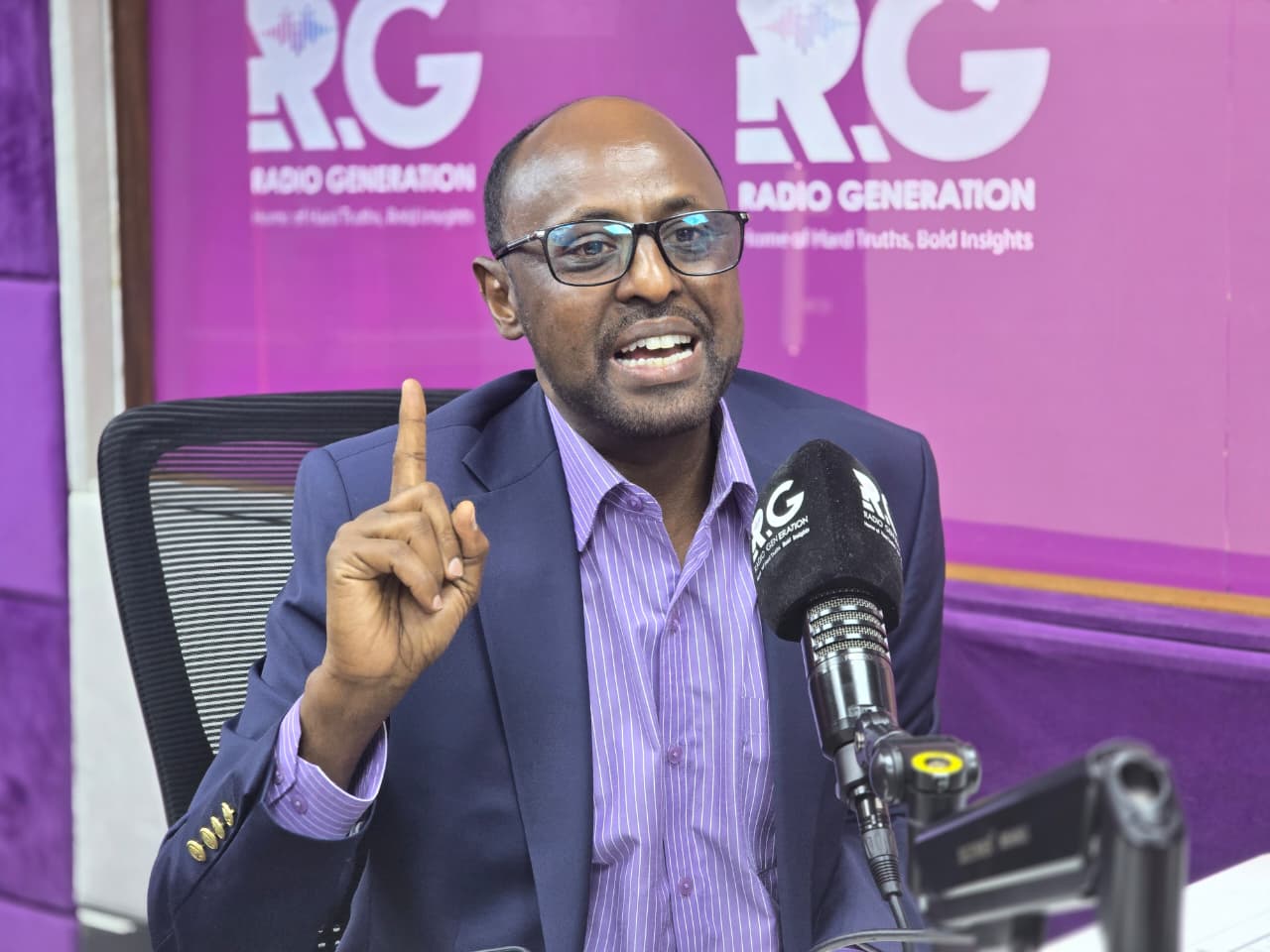
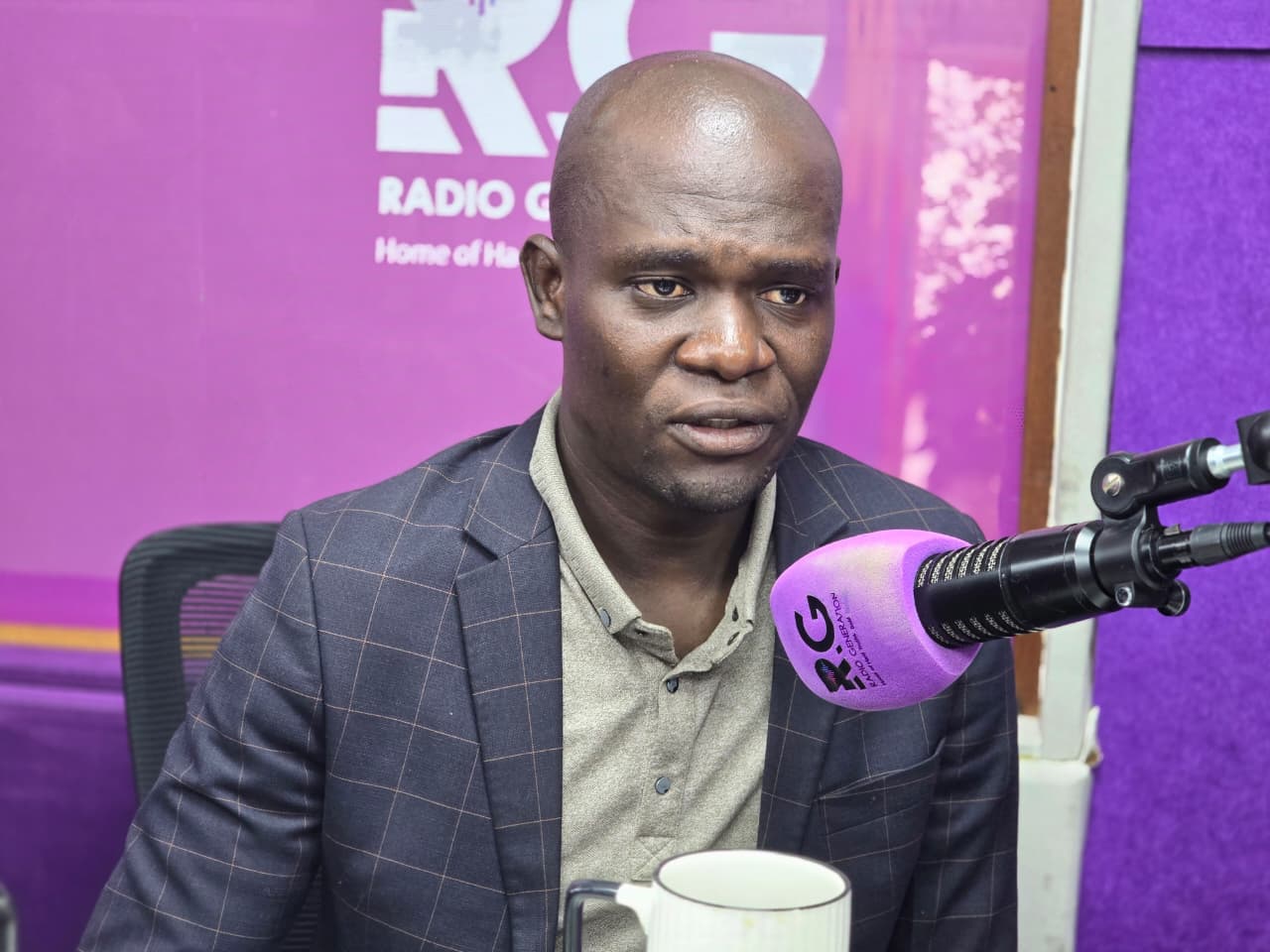
At the interview on Thursday, Maraga said Kenyans must recognise the direct link between impunity and economic decline.
“Quite a number of people have suffered because of the disregard of the law,” he said, adding that although perpetrators may be few, Kenya has “instituted a culture where we seem to allow impunity to thrive.”
He described corruption not merely as theft but as looting, warning that the figures lost daily are huge and mind-boggling.
The former CJ highlighted disturbing patterns of budgeted corruption, where funds are deliberately allocated with the intention of theft.
“When you get hundreds of millions being paid to ghost schools, hundreds of millions being paid to ghost hospitals and ghost workers, that is what I call budgeted corruption,” he said. He insisted that rule of law and the fight against corruption must go hand in hand.
He warned that without legal accountability, public officials feel emboldened.
“Once we obey the law, it means we will at least minimize, if not completely eradicate, corruption,” he said.
He argued that adherence to the law would free resources for education, healthcare and development, “There will be resources that will go to education, resources that will go to health care, and resources that will go to development.”
Addressing claims about unseen forces such as the deep state, the former Chief Justice described Kenya’s governance environment as one where leaders find ways of stealing, for their own benefit despite the façade of democracy.
He said Kenya has now reached a critical juncture, explaining, “When you reach there, you have two options, you either reform or you break. It is a make or break situation. We have reached there.”
He insisted that Kenya must restore constitutionalism to survive. “We can’t allow the country to break. We need to come up with a system to restore the country on its rails,” he said.
He promised firm action against graft if elected president, “I would deal with corruption head on. First of all, as an individual, I hate corruption. That’s why I’ve never been involved in any corruption.”
He argued that the war on graft must begin at the highest levels of government. “If the President comes up and says it is zero tolerance to corruption, and requires all the officers working under him to do that, we will crush corruption,” he said.
He criticized leaders who aspire to make Kenya like Singapore without first adopting the decisive anti-corruption measures that defined Singapore’s rise.
“When the President says he wants to drive the Kenyan economy to the Singapore status, I look at him and laugh,” Maraga said, calling it a “pipe dream” without structural reforms.
Turning to youth participation in elections, Maraga expressed concern over Gen Z’s low voter turnout and low registration numbers.
However, he argued that the blame lies partly with the system. “We have not made it easy for them to register,” he said, citing constituencies where youth must spend up to 500 shillings to reach distant registration centres.
He urged IEBC to take services directly to the people, “Government services are supposed to be taken to the public.”
He proposed mobile voter registration teams that visit schools, churches, sports events and institutions.
“It is not difficult,” he insisted, adding that the current government “does not want to do that” and appears to be “doing everything possible to frustrate the registration of the youths as voters.”
Maraga also criticised the limited voter registration centres for Kenyans in the diaspora. “Consider our brothers in the diaspora, the registration centers are in three places,” he noted, calling the setup inadequate.
The former CJ concluded by urging Kenyans to demand integrity, justice and accountability: “If we start from the top, we will get our country back to the rails.”