The National Assembly’s Public Investments Committee on Social Services, Administration and Agriculture (PIC-SSAA) has raised alarm over massive financial and administrative irregularities at the New Kenya Planters Cooperative Union (NKPCU), including more than Sh1 billion in unsupported expenditure and unlawful staff retention practices.
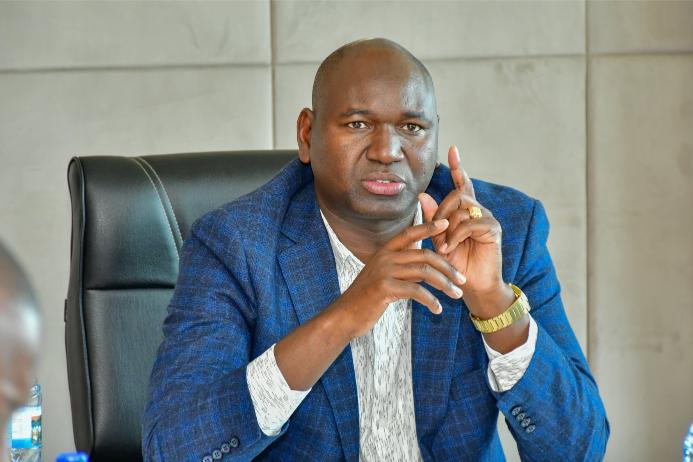
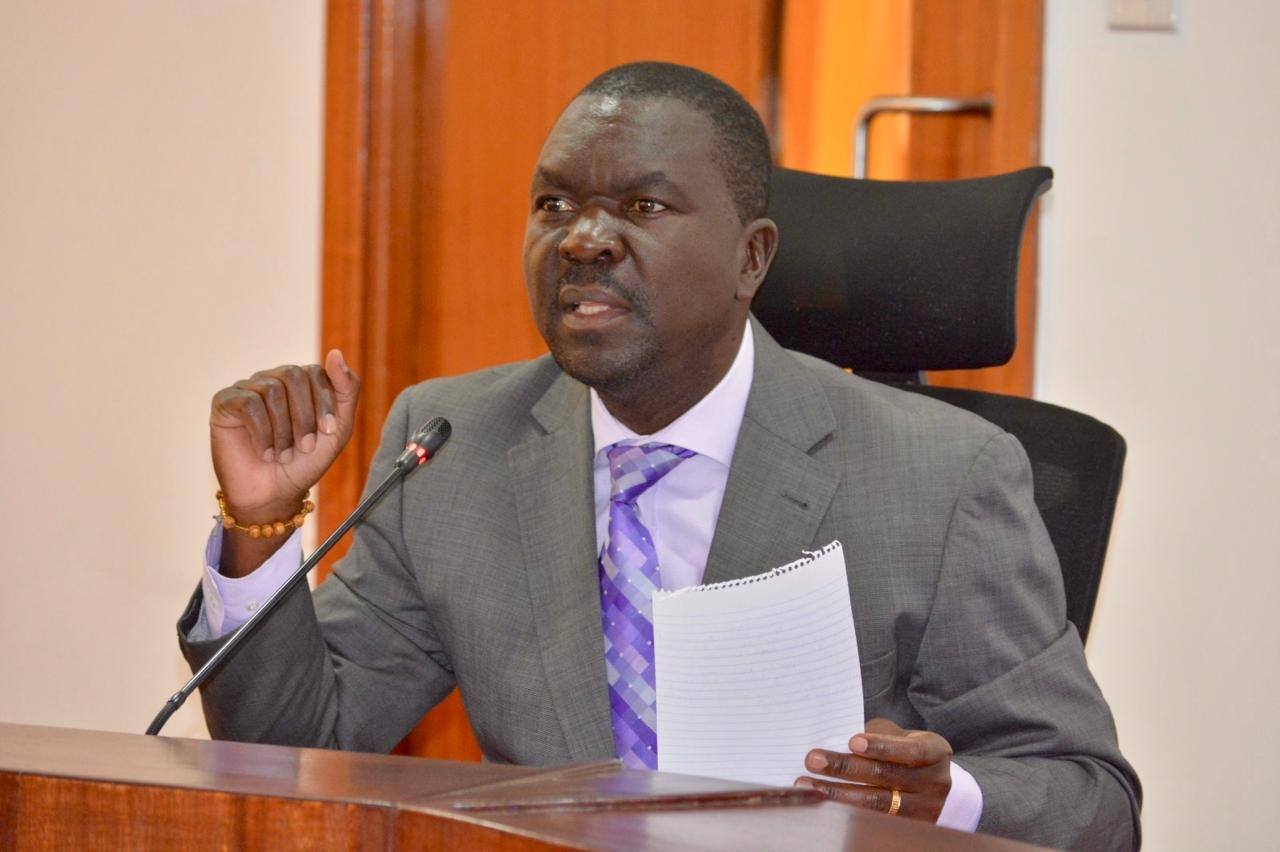
The Committee, chaired by Navakholo MP Emmanuel Wangwe, on Thursday interrogated NKPCU officials led by CEO Timothy Mirugi at Parliament Buildings, following red flags raised by the Auditor-General in the agency’s 2022/2023 and 2023/2024 financial statements.
At the centre of scrutiny was Sh1,001,336,765 in unsupported spending under the Farm Input Subsidy Programme—Sh940,327,427.29 for farm inputs and Sh61,009,346.20 for awareness campaigns in coffee-growing counties.
Lawmakers questioned the legitimacy of the expenditure after NKPCU failed to present adequate supporting documentation.
“No satisfactory supporting documentation has been provided for this massive expenditure,” said Wambugu Wainaina, citing the Auditor-General’s findings.
Although NKPCU claimed to have shared supporting schedules with auditors, MPs faulted the documents for being incomplete and lacking essential verification details such as invoice numbers. Members termed the gaps red flags requiring immediate clarification.
The Committee also questioned Director of Finance and Accounting, Ednah Kerubo, over an unauthorised budget overrun of Sh73 million.
Against an approved budget of Sh452.2 million, NKPCU spent Sh518,365,837 without seeking permission to exceed the ceiling.
“This represents a fundamental breakdown in financial controls,” MPs observed, noting that management had conceded they lacked the authority to overspend.
The irregular retention of eight staff members beyond the mandatory retirement age of 60 also drew criticism.
NKPCU management defended the decision, citing skill shortages and the need to maintain operations involving specialised coffee milling equipment inherited from the defunct KPCU.
“The retention was necessary to maintain operations involving specialised coffee processing equipment,” CEO Mirugi told the Committee.
However, MPs dismissed the justification, with Wangwe emphasising that “operational necessity does not override the law,” adding that extending employment beyond 60 required formal approval from the Head of Public Service—an approval the institution never sought.
The Committee further noted that the practice deprived young, qualified Kenyans of job opportunities. NKPCU confirmed the officers have retired.
Ethnic imbalance in staffing also emerged as a concern, with nearly half of employees reportedly drawn from one ethnic group.
Martin Owino said NKPCU must reflect the face of Kenya, urging the agency to adopt a transparent recruitment policy to address disparities.
Management attributed the imbalance to staff inherited from the former KPCU, but MPs insisted corrective measures were necessary.
The Committee additionally flagged the slow recovery of debts owed to NKPCU. Out of Sh94 million in outstanding receivables, only Sh6 million—equivalent to 6.4%—had been recovered. Lawmakers directed CEO Mirugi to provide a full schedule of all debtors.
MPs equally raised concern over unauthorised diversion of funds meant for farmers or farm inputs to a processing company without approval from the National Treasury.
Terming the diversion a serious breach, Wangwe warned, “This is a serious matter that may warrant the intervention of the Cabinet Secretary.”
The Committee issued several directives, giving NKPCU management two weeks to submit documents including the appointment letters of four board members, payment vouchers for allowances, and meeting records preceding their appointments on May 23, 2022.
All documents must be copied to the Auditor-General.
Wangwe reaffirmed Parliament’s commitment to safeguarding public resources, saying: “We must ensure that every shilling allocated to support our coffee farmers is used transparently and efficiently. Coffee represents the next gold opportunity for Kenya, and accountability is paramount.”