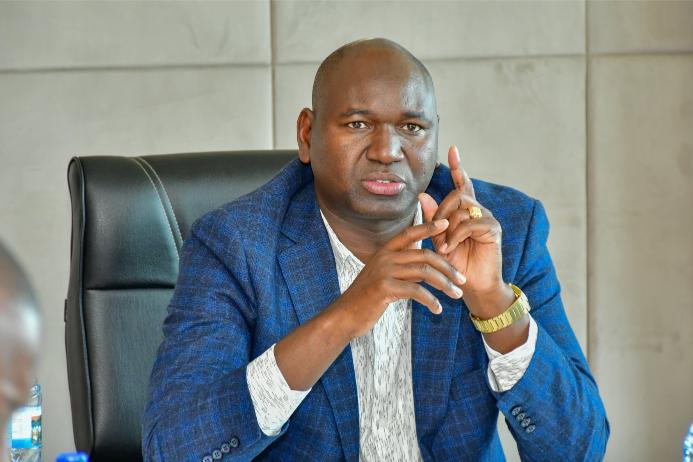
Global efforts to curb plastic pollution must focus on redesigning everyday products and removing barriers that make repairs difficult, according to Fredrick Njau, Programmes Coordinator at the Sustainable Development Unit of the Heinrich Böell Foundation.
Speaking in an interview on Radio Generation on Tuesday, Njau said plastics have become an unavoidable part of modern life—found in cars, household items and even eyeglasses—but poor design and restrictive manufacturer rules are driving unnecessary waste.
“Plastics are unavoidable… but the call people are making is to design these products differently,” he said.
Njau noted that many companies hold proprietary rights that prevent consumers from replacing a spoiled part with one from another manufacturer, forcing people to throw away entire items.
“If a part gets spoiled, you cannot replace it with another manufacturer’s part, and that creates more waste,” he explained.
He added that global negotiations should push for harmonised rules that make repairs easier and reduce the overall volume of plastic that ends up in landfills.
Njau said these conversations are part of a wider push toward what he called a “zero waste system,” which can only work if products are redesigned and consumers make more deliberate choices.
For example, he pointed out that customers can choose to carry their own containers instead of accepting single-use ones.
“You have a choice,” he said, adding that simple personal habits such as reusing large plastic containers at home instead of throwing them away can make a significant difference.
He also emphasised that recycling alone cannot solve the plastic crisis. While many people advocate for recycling, Njau said the world recycles only a small fraction of the plastic it produces.
“Recycling doesn’t address the problem of plastic, because we only recycle a very small amount,” he noted.
Beyond everyday plastics, Njau warned that the growing volume of electronic waste is further worsening pollution.
E-waste, he said, contains large amounts of plastic and often ends up in the environment with little regulation or recycling.
Njau stressed that the path forward must include smarter product design, increased reuse and reduced consumption rather than relying solely on recycling or bans.
He said the ongoing global talks present a critical opportunity to rethink how products are made and used, and to chart a more sustainable path for both people and the environment.
Global data by Organization for Economic Co-operation Development shows that plastic recycling remains extremely low, with 2022 figures indicating that only about 9–9.5% of new plastic produced worldwide came from recycled material, while roughly 90% still originated from virgin fossil fuels such as oil and coal.
Despite global plastic waste continuing to rise surpassing 400 million tonnes, most of it still ends up in landfills, is incinerated, or leaks into the environment.
Recycling rates vary widely across regions, with developed economies achieving around 30% due to stronger regulations, while many developing countries record near-zero recycling levels.