The government of Kenya has unveiled plans to establish a world-class human origins museum and science park in Turkana County, aiming to celebrate the country’s unique cultural and historical heritage while boosting tourism and scientific research.
Speaking on Tuesday during the opening of the 9th edition of Tobong’u Lore, the Turkana Cultural Festival, President William Ruto said the project is currently in its conceptual phase and is expected to transform the county into a global hub for the study of human origins.
“Feasibility studies are currently underway that will culminate in the establishment of this great institution in Turkana County. Upon completion, this museum and science park will transform the region into a global hub for scientists, tourists and investors, and indeed for all those interested in human origins,” Ruto said. He described Turkana as the true “Home of Humankind,” noting its rich archaeological and cultural treasures.
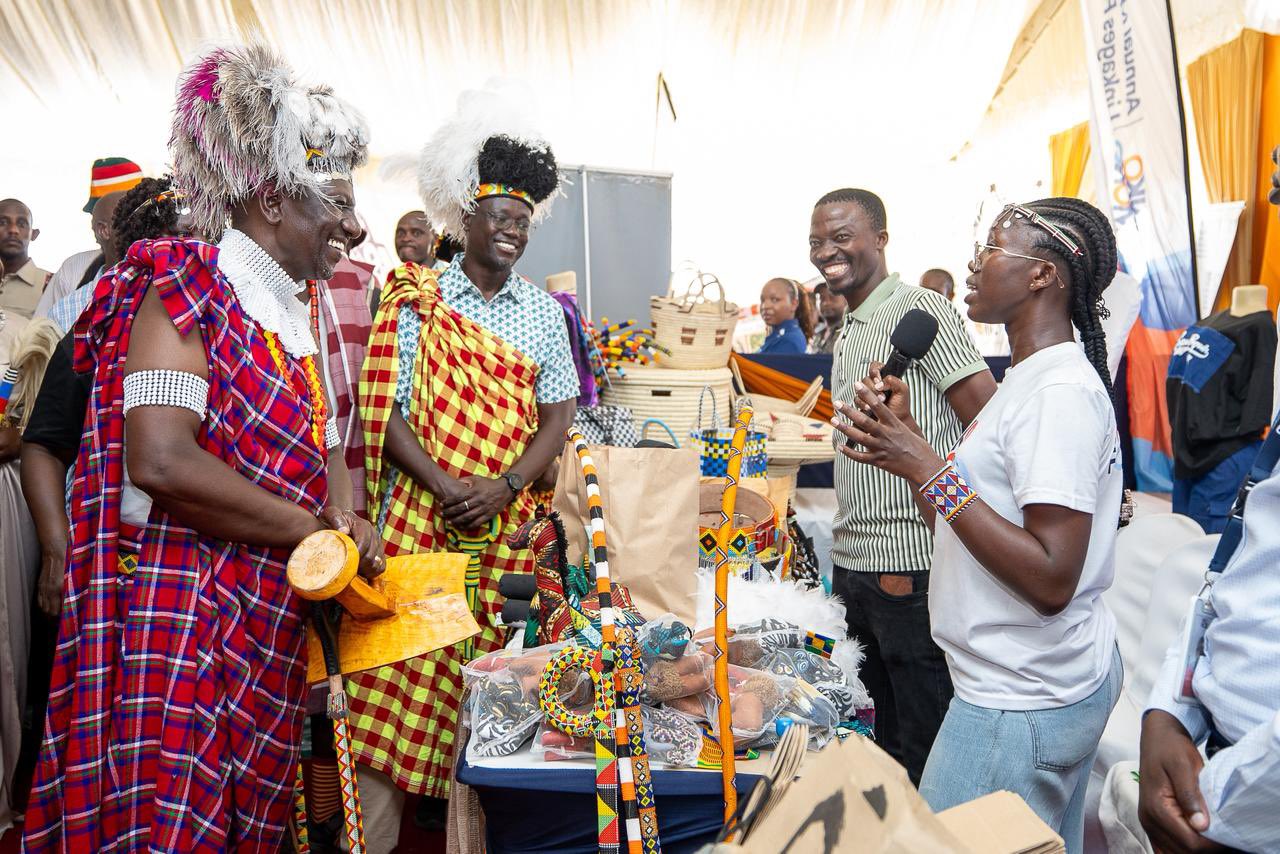
The festival, which draws pastoralist communities from northern Kenya, including West Pokot, Samburu, Marsabit, Baringo, and Laikipia, also hosts cross-border groups such as the Karamojong, Toposa, Didinga, and Dasenatch from Uganda, South Sudan, and Ethiopia.
“This festival serves as a crucial platform for showcasing the region’s unique cultural identity, traditions, and practices. By leveraging the festival’s visibility, it attracts both local and international visitors, elevating Turkana’s profile on the global cultural tourism map,” the President said. He urged county leaders to intensify marketing, form partnerships with travel agencies, and run campaigns that highlight Turkana’s attractions.
President Ruto emphasized the value of culture, describing Kenya’s cultural diversity as one of the nation’s greatest strengths. “Our traditions, languages, music, crafts and indigenous knowledge systems are living assets that must be protected, promoted and harnessed for development. The government believes that culture and heritage are central to building a united, vibrant, and prosperous Kenya,” he said.
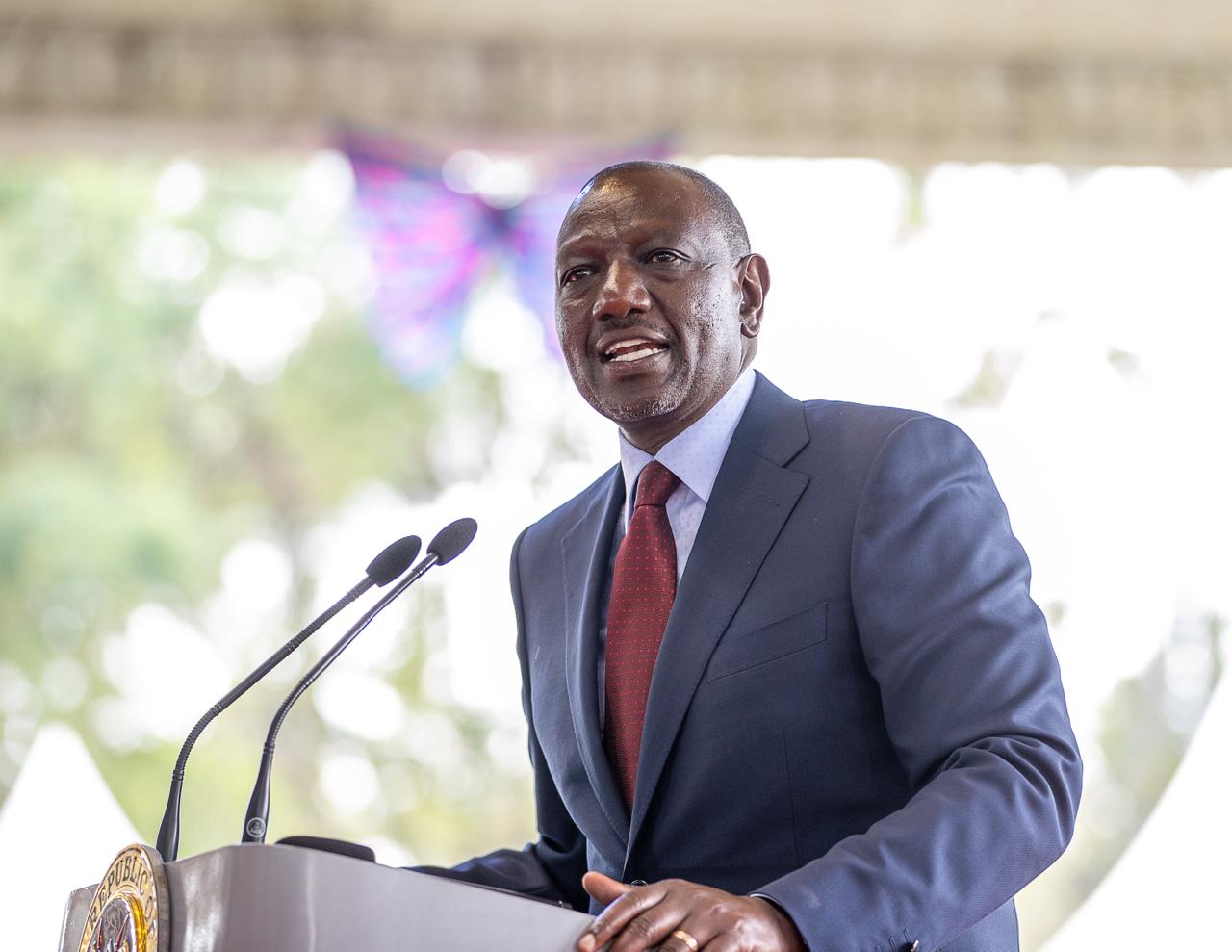
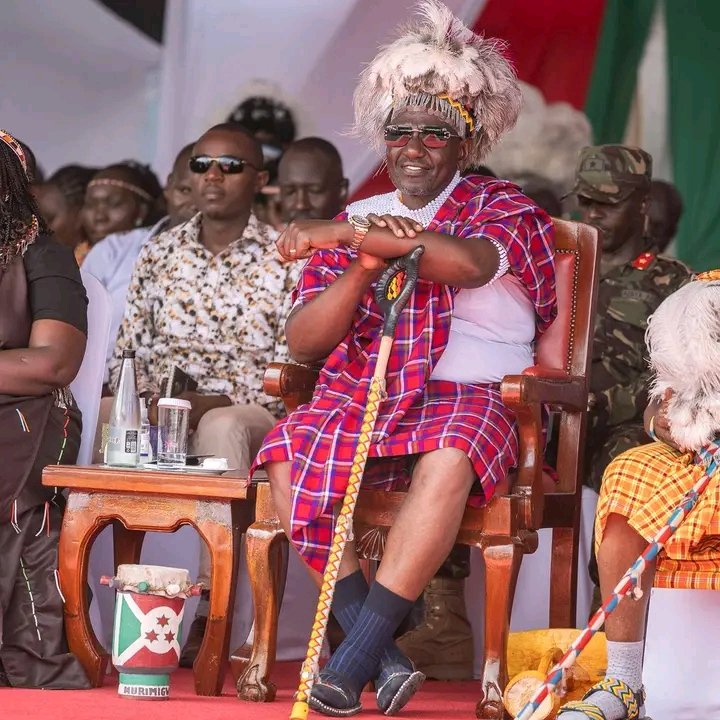 President William Ruto during the ninth edition of the Tobong’u Lore Festival, Lodwar, Turkana County on December 16, 2025.PHOTO/PCS
He added that culture is deliberately embedded in the Bottom-Up Economic Transformation Agenda, recognizing it as a source of identity, cohesion, and economic growth through jobs and enterprise. The government is also implementing the National Culture and Heritage Policy and the National Music Policy, aligned with Kenya’s obligations under the 2003 UNESCO Convention on the Safeguarding of Intangible Cultural Heritage.
“Across the country, we are supporting the documentation and digitisation of living heritage so that our cultures are preserved and transmitted to future generations,” the President said. In Turkana, this commitment is evident through the promotion of key cultural sites like the Namorotunga archaeo-astronomical site in Kalokol, traditional homesteads, and the region’s rich oral traditions, music, and pastoral knowledge.
President Ruto noted that at a recent UNESCO meeting in New Delhi, India, the Mwazindika Spiritual Dance of the Dawida Community was listed on the Convention List of Elements in Need of Urgent Safeguarding, a recognition expected to enhance global interest and tourism.
To support tourism and trade, the government is investing in strategic infrastructure projects, including improvements to roads linking Turkana with West Pokot, Samburu, and Marsabit, upgrading Lodwar Airport, and developing Lake Turkana fisheries facilities, including Kalokol fish landing sites and cold-chain infrastructure.
Collaboration between national and county governments is being strengthened to integrate culture, tourism, and heritage into County Integrated Development Plans, ensuring that these investments promote economic growth, peace, and social cohesion. The President also highlighted the role of indigenous knowledge in addressing climate change and environmental challenges, emphasizing its inclusion in national strategies on climate resilience and sustainable resource management.
As he officially opened the festival, President Ruto called on all stakeholders—including governments, elders, cultural practitioners, the private sector, and development partners—to safeguard heritage and ensure that it brings tangible benefits to communities.
“Let us celebrate our diversity, strengthen our unity, and build a future where culture, tourism and enterprise work together to transform lives,” he said.