Northern Kenya leaders have rejected claims by former Deputy President Rigathi Gachagua that the region misused devolution funds, saying long-standing neglect and infrastructure gaps remain the root of inequality.
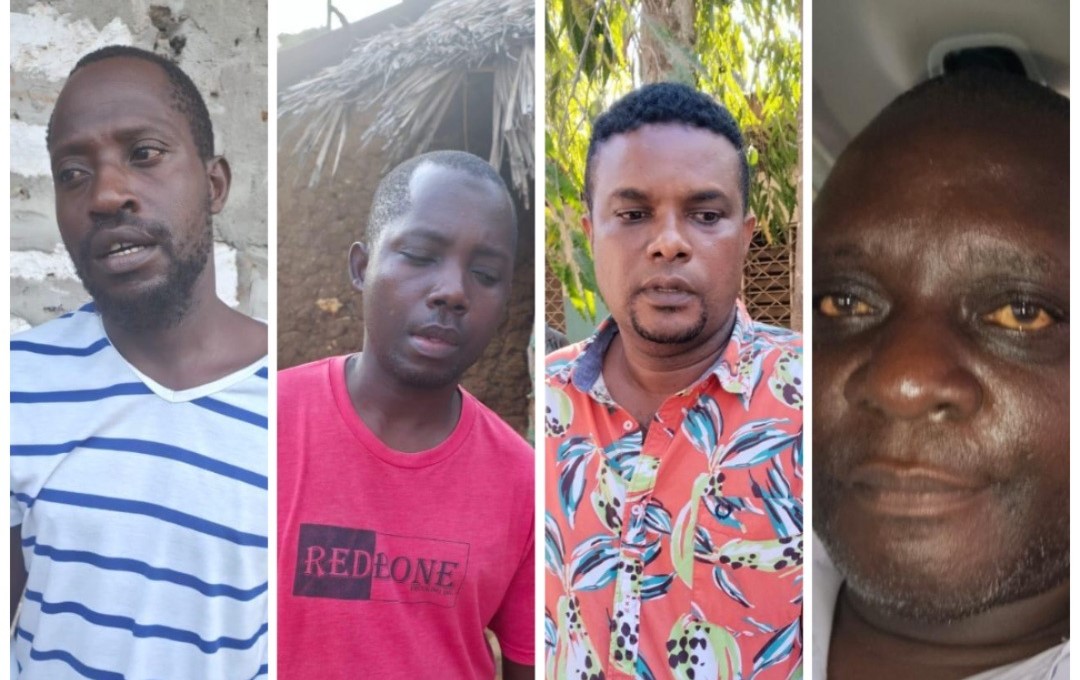
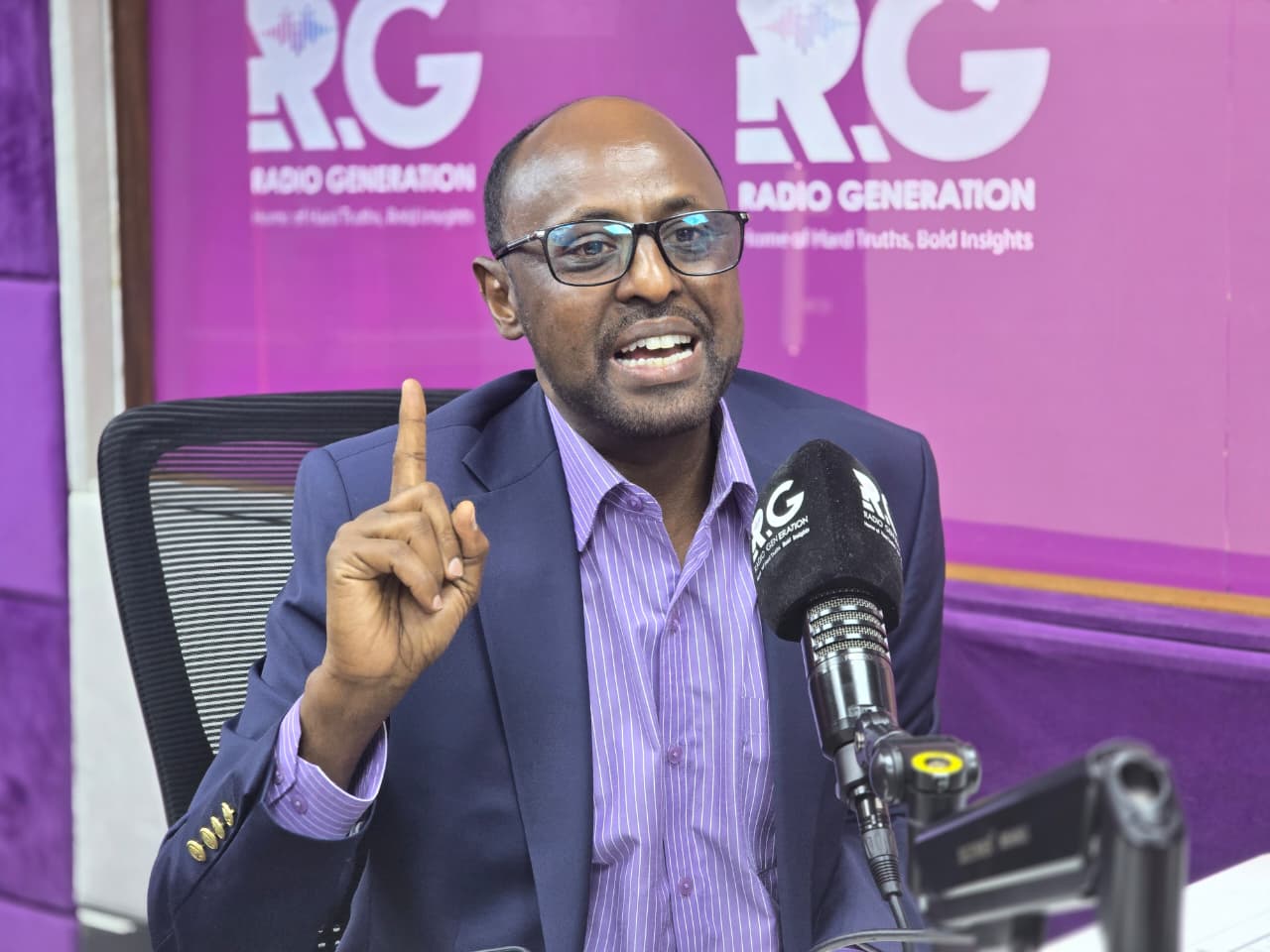
Speaking on Thursday on Citizen TV, leaders, including Mandera Deputy Governor Muhamud Ali, Tarbaj MP, Hussein Abdi Barre, Mandera North MP, Abdullahi Bashir and Eastleigh Business Community member, Ahmed Mohamed (Asmali) urged an end to ethnic rhetoric and called for unity and inclusive national growth.
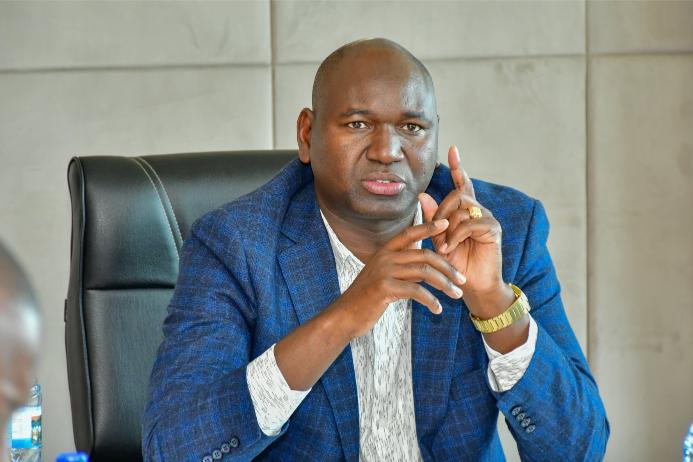
Ahmed Mohamed (Asmali) said Kenya belongs to all its citizens and warned politicians against politicising private investment.
He said the owner of BBS Mall had invested not only in Eastleigh but also in Tatu City, a project expected to create about 7,000 jobs.
He added that BBS Mall alone supports nearly 20,000 livelihoods, noting that about 80 per cent of those employed are not from North Eastern Kenya but come from diverse communities across the country.
Asmali urged political leaders to calm down and allow Kenyans to do business together and build the nation, adding that BBS Mall investor had options across the region, including Ethiopia and Tanzania, but chose Kenya because “we are all Kenyans and can do business anywhere and grow the country together.”
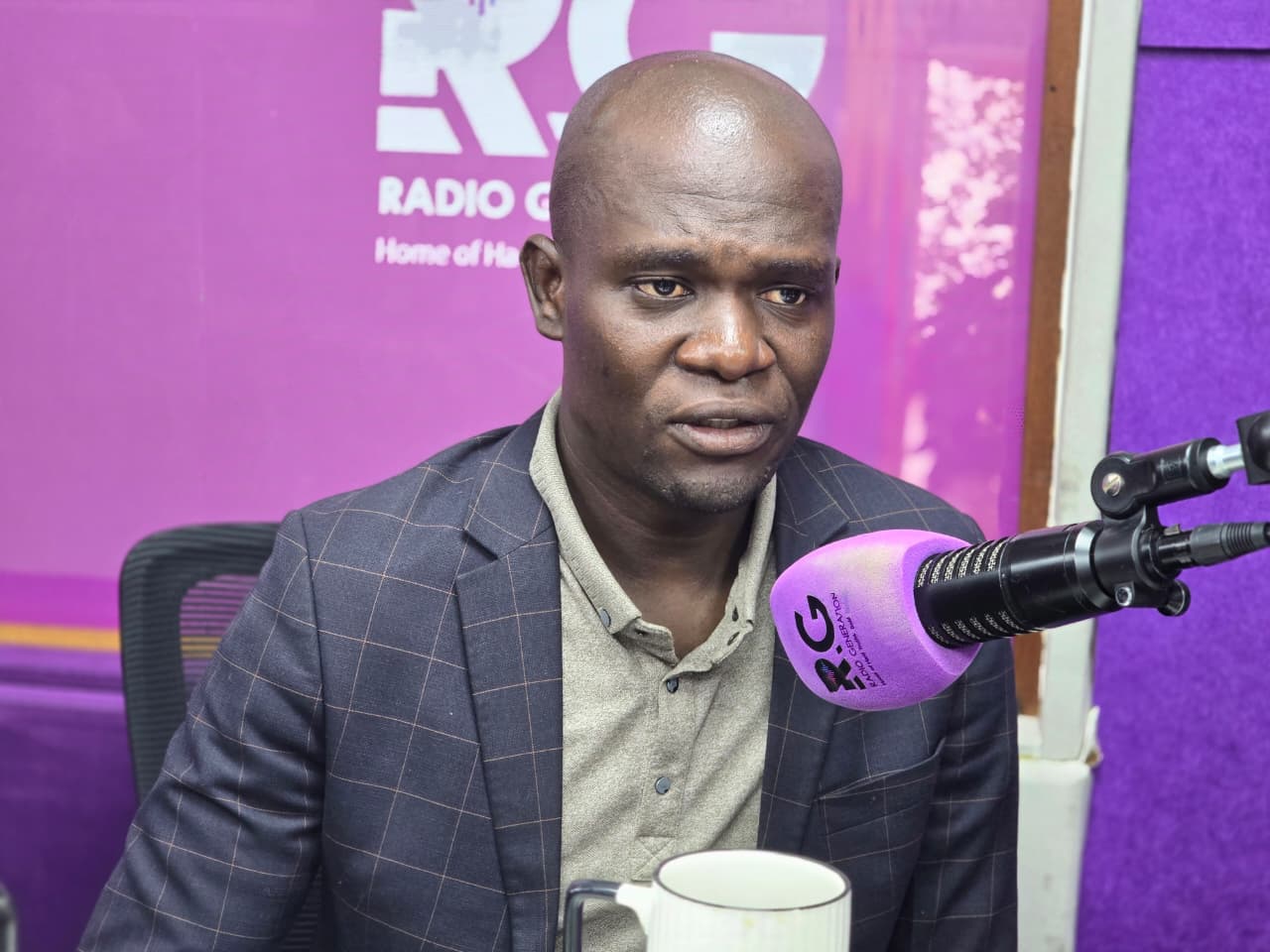
Mandera Deputy Governor Muhamud Ali said the former deputy president’s remarks on failure to develop counties in Northern Kenya ignored Kenya’s development history.
He argued that understanding the past was critical to explaining present inequalities, pointing to Sessional Paper No. 10 of 1965, which prioritised investment in so-called high-potential areas along the railway line while leaving northern Kenya behind for decades.
He said development in education, healthcare, electricity and infrastructure was historically concentrated in Central Kenya, including Nyeri and Kiambu, and that service delivery followed areas with prior investment.
Using an analogy, he compared Kenya to a farm where only one side is watered, then questioned why the other side remains dry.
The Deputy Governor said devolution has only been in place for 13 years and that tangible transformation cannot be expected in such a short time, especially in regions starting far behind.
He noted that education is largely a national government function, yet Mandera County has invested heavily in human development, including building more than 120 early childhood classrooms and paying 100 per cent of secondary school fees for all students in the county at a cost of about Sh600 million annually.
He added that electricity and major infrastructure remain national government responsibilities, questioning why the national grid has not reached parts of Wajir and Mandera.
Ali said Mandera County has nonetheless built more than seven major hospitals, including a referral hospital and several level four facilities, calling this a significant development.
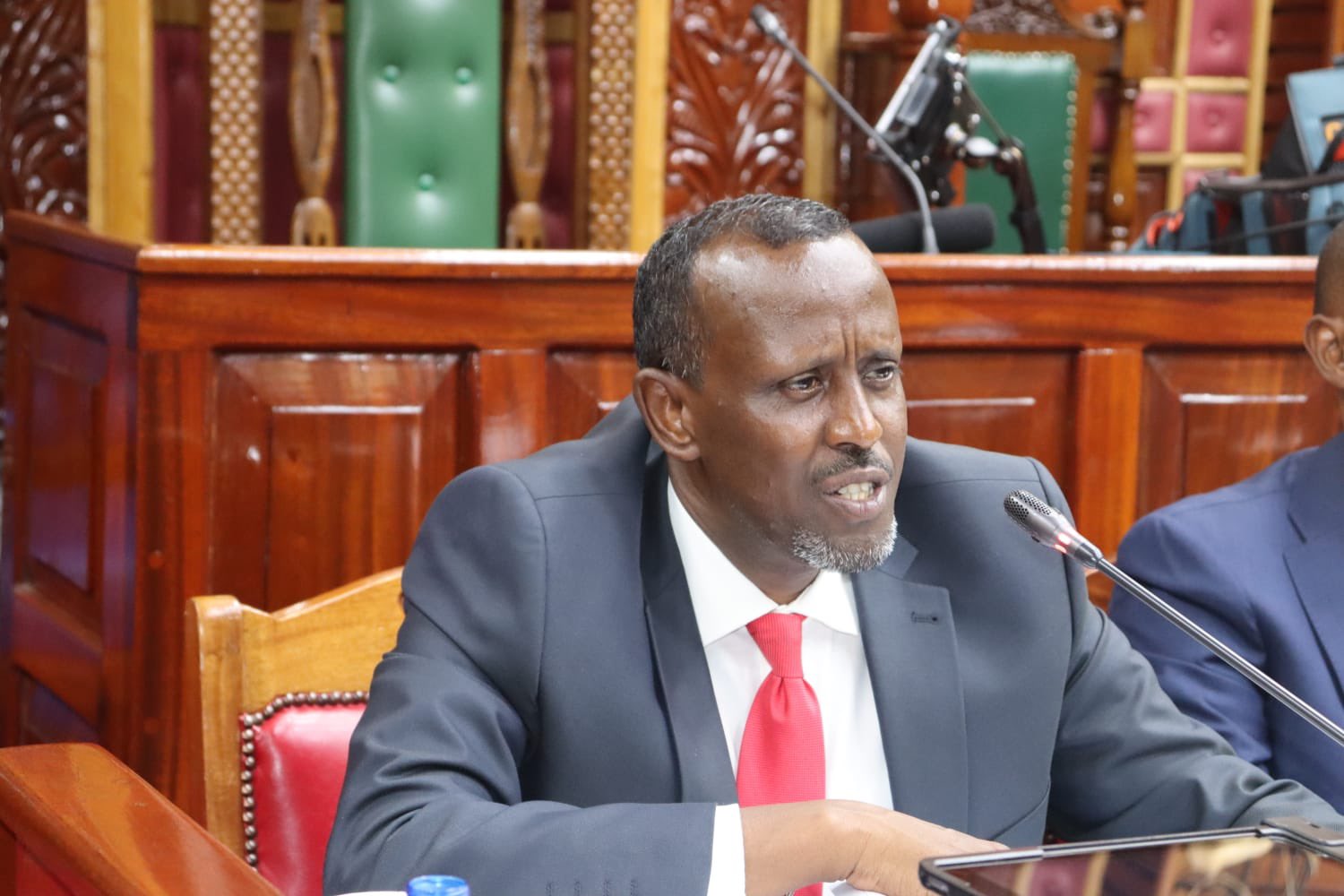
Tarbaj MP Hussein Abdi Barre said investment follows infrastructure, stressing that without roads, electricity and security, development cannot take root.
He said Wajir County remains largely in darkness, limiting small businesses, industrial activity and investor confidence. He added that shortages of teachers and insecurity further discourage families and investors.
Mandera North MP Abdullahi Bashir said marginalisation of northern Kenya was entrenched under successive governments, including those of Jomo Kenyatta, Mwai Kibaki and Uhuru Kenyatta.
He argued that budget allocations historically favoured Central Kenya, leaving northern regions structurally disadvantaged.
The leaders were responding to remarks by former Deputy President Rigathi Gachagua last week, in which he said devolution had been in place since 2013 and accused leaders from northern Kenya of failing to develop institutions despite receiving billions of shillings in allocations.
He cited figures showing Wajir, Garissa and Mandera counties had received substantial funding.
In response, the leaders said raw budget figures do not reflect historical starting points, national government obligations or the realities of building infrastructure in previously neglected regions.
They urged Kenyans to reject divisive narratives and focus instead on inclusive growth, investment and long-term national development that benefits all communities.