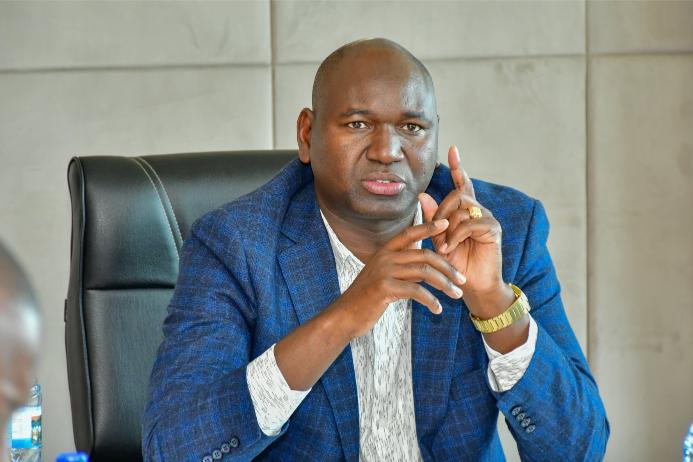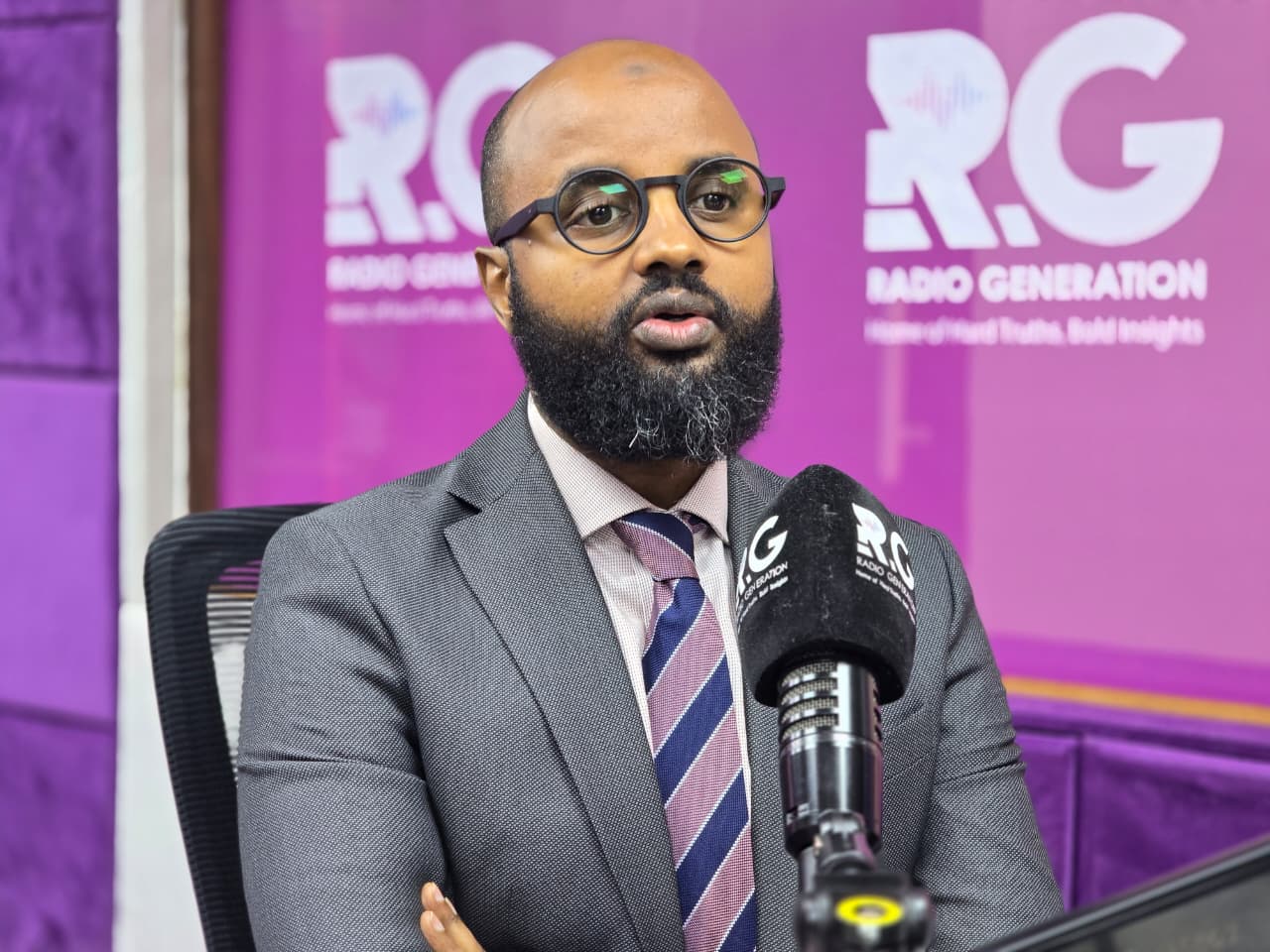
Ahmed Idris, Secretary General, Kenya Red Cross Society, says Kenya’s drought is worsening daily, with more than 23 counties affected and at least 11 in critical condition.
He says weak water catchment systems and limited infrastructure have left communities exposed to repeated dry spells. Idris says investment in dams and boreholes is key to improving water security during droughts.
“It’s deteriorating. By the day,” Idris said, noting that the failed rain season has affected many parts of the country, with Marsabit, Mandera, Turkana, Isiolo, Wajir and Garissa among the hardest hit. He said the situation is expected to worsen as the country faces at least two more months without rain, with uncertainty about how much rainfall will follow.
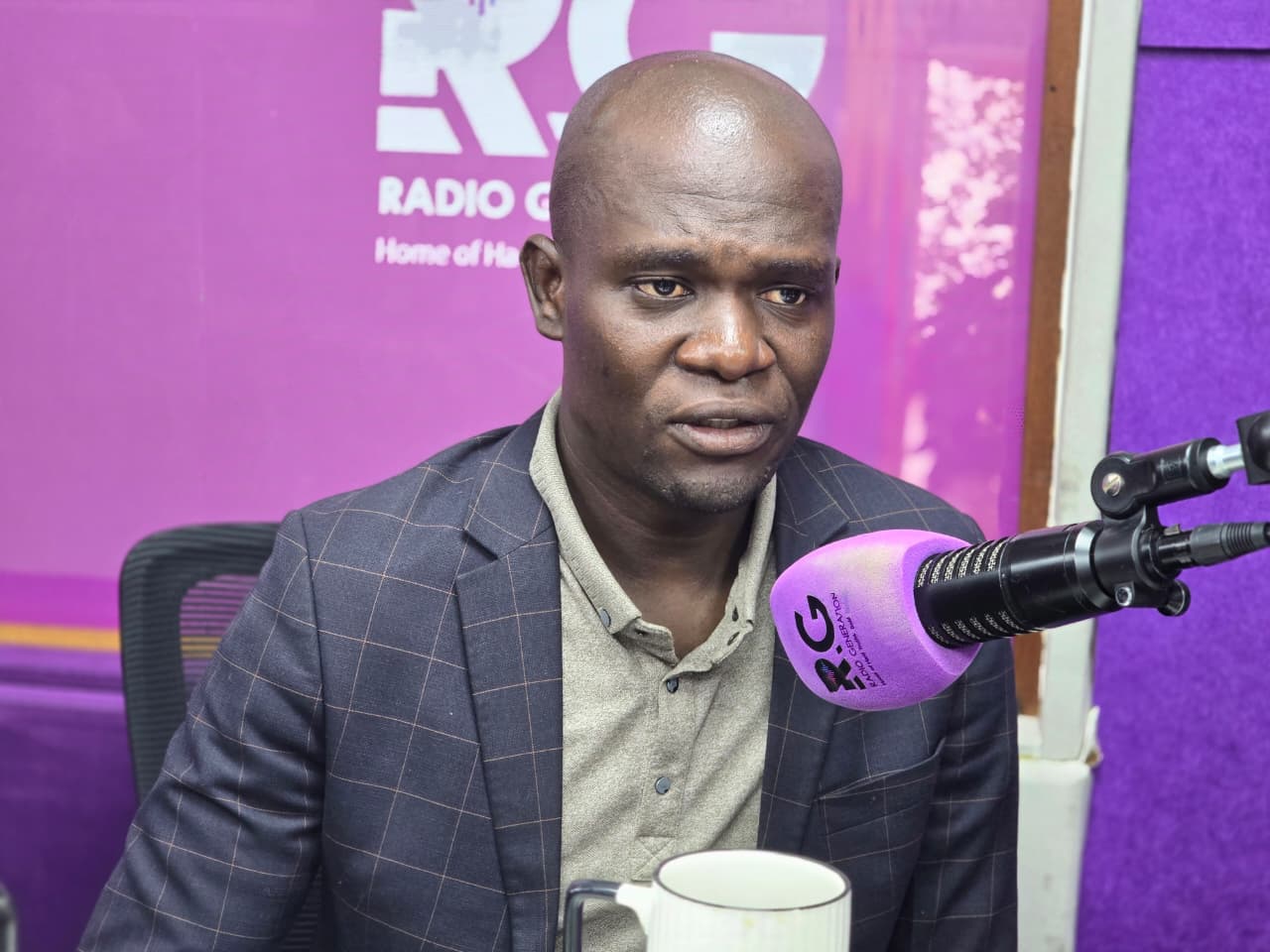
Speaking during an interview with Radio Generation on Wednesday, the SG explained that drought impacts are uneven, with some sub-counties experiencing more severe conditions than others, even within counties that appear stable at a wider level. He pointed to Baringo, where overall conditions may seem manageable, but the Tiaty sub-county is facing a serious crisis.
“If you just focus on Tiati as a sub-county, the numbers are critical,” he said, adding that recent surveys show the area has one of the highest malnutrition rates.
Idris said Mandera North is among the worst-affected areas, having received no rain at all. Despite this, access to water has improved due to boreholes drilled in the past decade.
“They have zero pasture to help them with their animals. But at least water access is much better than it was in 2023, it is much better than it was in the drought of 2011,” he said.
He raised concerns about the lack of water catchment systems, questioning why Kenya has not taken advantage of rainfall when it occurs. He said capturing water during rainy periods would help communities survive during dry seasons.
“Why is it that we are not capturing water when it is raining, so that we will use it in the dry period?” he said, arguing that decades of limited development planning in dry regions have worsened drought impacts.
Idris said a mix of harsh geography, repeated lack of rain and limited investment in infrastructure has created the current crisis. He said both large and small dams are needed to store water for communities and livestock during dry periods, calling them a key solution.
He noted that some progress has been made, especially through devolution, with counties investing in boreholes. He said Mandera North has better water access today because of boreholes drilled over the last 10 years, even though pasture remains unavailable.
He explained that water availability varies by geography, with some areas having shallow water tables and others requiring deep drilling. In parts of Mandera, such as Takaba, drilling has been difficult, while northern areas have better success.
He said new technology is being used to drill deeper wells, sometimes up to 400 meters, to reach fresh water where shallow sources are saline. He said deeper drilling increases the chances of finding safe water.
Idris said the number of boreholes in Kenya has increased over the past 15 years, but many are not working. He said more than 2,600 boreholes across the country are not functioning, and the Red Cross is prioritizing the revival of 262 strategic boreholes.
He said improving water catchment, building dams, and maintaining boreholes would help communities better cope with recurring droughts, but warned that the current dry spell remains severe and could worsen in the coming months.
On Tuesday, the Kenya Red Cross Society revealed that over 2 million people in Kenya are currently affected by drought and need urgent support.
They said that urgent help is required to reach more communities affected by this situation.
It was noted that there has been a deterioration in nutrition across arid counties in Kenya. Eight counties are the most affected among them: Turkana, Mandera, Wajir, Samburu, Garissa, Isiolo, Marsabit, West Pokot and Baringo.
According to the Red Cross statement, there are 784,000 cases of malnourished children, whereas over 300,000 homes have an urgent need for water.
The Red Cross Society is now calling for urgent interventions for safe water for drinking in these areas, suggesting borehole drilling and water trucking to get water close to the residents of the areas affected.