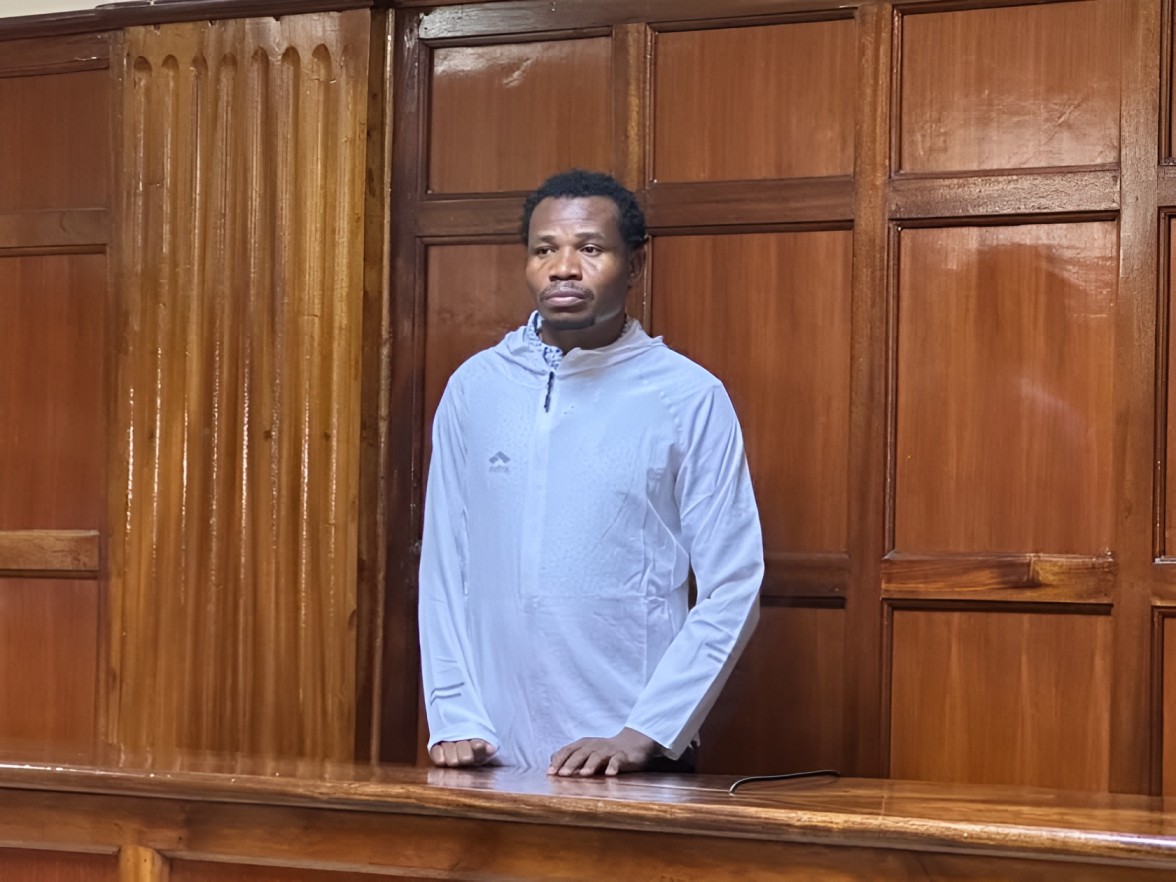
A Milimani Court has approved the withdrawal of a hate speech case against Mumias East Member of Parliament Peter Salasya after finding that he fully complied with conditions set by the court and the National Cohesion and Integration Commission (NCIC).
In a ruling delivered by Senior Resident Magistrate Paul Mutai, the court held that evidence presented showed Salasya had met all the requirements under an out-of-court agreement, including issuing a public apology and actively participating in peace initiatives.
The magistrate noted that the legislator had taken part in peace campaigns that reached more than 1,000 people and had sustained reconciliation messaging on social media platforms.
“The evidence placed before the court shows that the accused has complied with the conditions imposed,” Mutai ruled, adding that the peace campaign was a continuous effort and that Salasya had demonstrated commitment to sustaining it. On that basis, the court ordered the withdrawal of the charges in accordance with the law.
The decision followed an application by the Director of Public Prosecutions (DPP), presented by prosecution counsel Nora Achieng, who informed the court that the matter had been amicably resolved between Salasya and the NCIC.
The prosecution explained that the agreement was intended to promote reconciliation, peace, and social cohesion rather than proceed with a full criminal trial.
However, the court had earlier declined to immediately terminate the case, insisting that Salasya first comply with specific conditions outlined in the agreement.
These included making a public apology and engaging in peace campaigns, particularly on social media, with the magistrate directing that formal proof of compliance be submitted before the case could be withdrawn.
The case dates back to May 19, 2025, when Salasya was charged with making inflammatory remarks on social media that allegedly targeted members of a specific community. Prosecutors argued that the statements amounted to hate speech and incitement.
After the case was referred to the National Cohesion and Integration Commission (NCIC) by the Office of the Director of Public Prosecutions in October last year, prosecutors clarified that the Commission’s involvement was strictly advisory and limited to its statutory mandate on matters of cohesion and incitement, and not a parallel process for determining guilt or innocence.
Having now confirmed that all court-imposed conditions were fully met, the court formally allowed the withdrawal of the case, effectively bringing the proceedings against the legislator to an end.