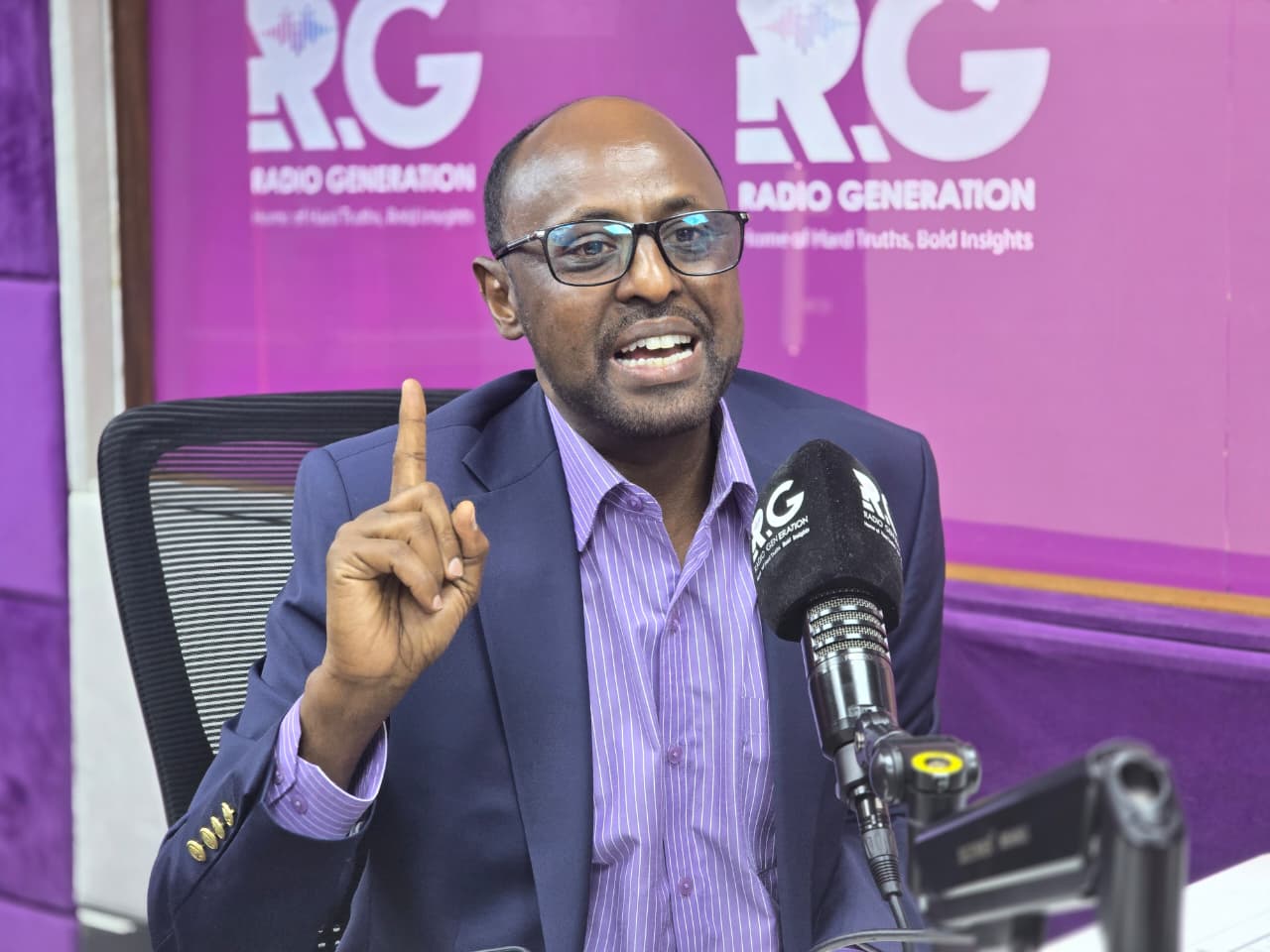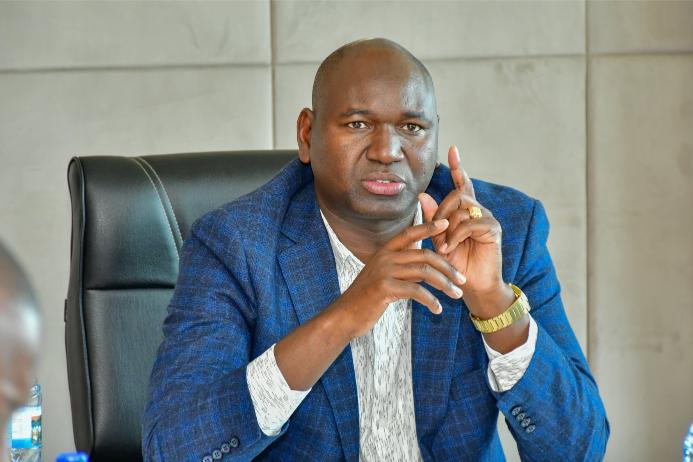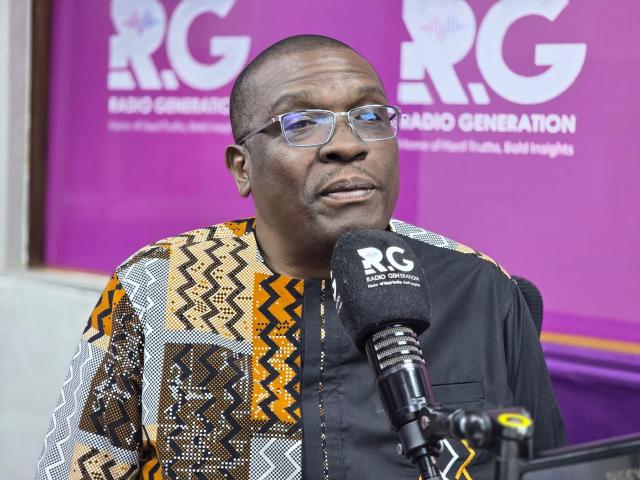
Azimio Executive Director Philip Kisia has highlighted a critical voter group that could determine the outcome of Kenya’s 2027 General Election, estimating it at around 14 million people.
This figure combines eight million potential voters who abstained in 2022 and six million new entrants to the electorate, whom he says leaders must engage to turn popularity into votes.
Speaking on Thursday on Radio Generation, Kisia reflected on voter participation in the last general election. “In the last general election, about 8 million potential voters never voted, which is a very sad state of affairs,” he said, noting that neither of the top presidential contenders managed to secure eight million votes.
“Those who did not vote were 8 million and slightly above,” he added.
He stressed the political weight of this group. “If there were a constituency that voted, they would have been the president,” Kisia said, emphasizing that mobilizing these voters could be decisive.
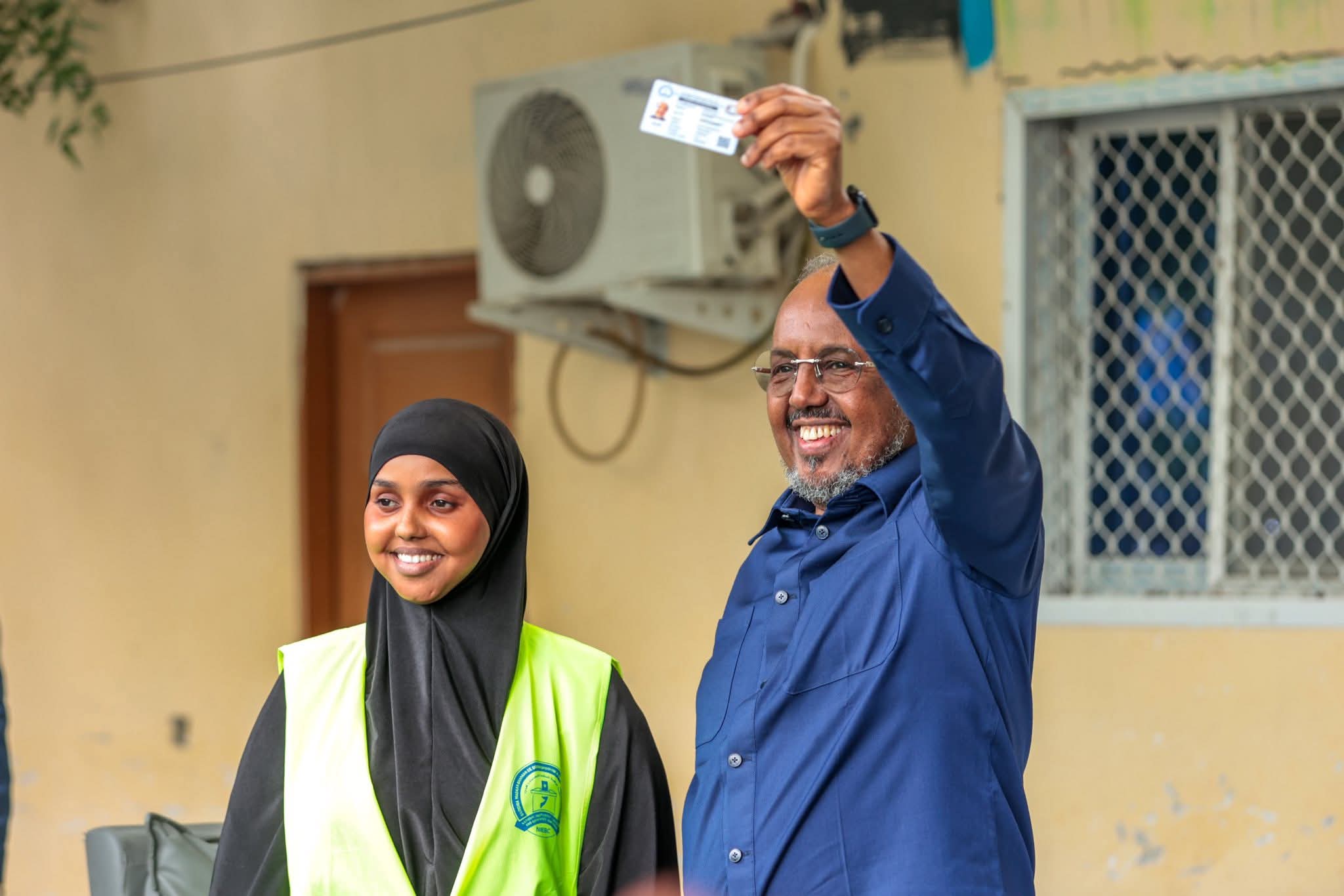
The remarks come amid the Independent Electoral and Boundaries Commission’s (IEBC) ongoing Continuous Voter Registration (CVR) exercise, part of preparations for the 2027 elections. The commission aims to expand Kenya’s voter roll to about 28.5 million, up from roughly 22.1 million in 2022.
IEBC has set a target of registering at least 6.3 million new voters, especially among young Kenyans who have reached voting age or have not yet registered.
The CVR drive, which started on 29 September 2025, has so far seen modest participation. By October 31, 2025, the commission recorded 90,020 new registrations, along with 15,619 transfers and 188 updates to existing records.
Early reports showed only 20,754 new registrations during the exercise’s second week, with youth turnout described as below expectations.
The CVR will be conducted across all 290 constituency offices to allow new registrations, transfers to preferred polling stations, and updates to existing voter details.
IEBC Chairperson Erastus Ethekon has encouraged all eligible Kenyans, especially millennials and Gen Z voters, to participate and ensure their voices are heard in the 2027 elections.
Kisia said the challenges facing voters and non-voters alike are shared. “We are all in pain, all of us, those who voted and those who didn't vote, the pain is the same,” he said.
Looking forward, he argued that the 14 million potential voters represent a powerful force. “The eight plus about six is about 14 million potential voters who didn't vote in the last election,” Kisia said, describing the new six million eligible voters as highly informed. “There are people who don't talk about tribes,” he noted. “There are people who want you to be very clear on the agenda of fighting corruption.”
He added that these voters want clarity on job creation and how leaders intend to tackle state capture. Mobilizing them, he said, requires listening rather than imposing personal agendas. “I have had people who say, I have a vision, I have a vision,” Kisia said. “For heaven's sake, that is your vision. Confine it to yourself and your family.”
Instead, he called for shared ownership of policies. “We want to move together with a shared vision, a vision that we all own,” he said, citing Vision 2030 as an example of a collective goal aimed at economic sustainability. He also highlighted generational politics, noting that young voters, particularly millennials and Gen Z, are crucial in ensuring Kenya elects competent leaders.
Kisia concluded by emphasizing that popularity alone is not enough to secure votes from this group. Listening to their voices and acting according to their expectations, he said, is the only way to convert the 14 million potential voters into active participants in 2027.