Mali shuts down schools nationwide amid fuel blockage
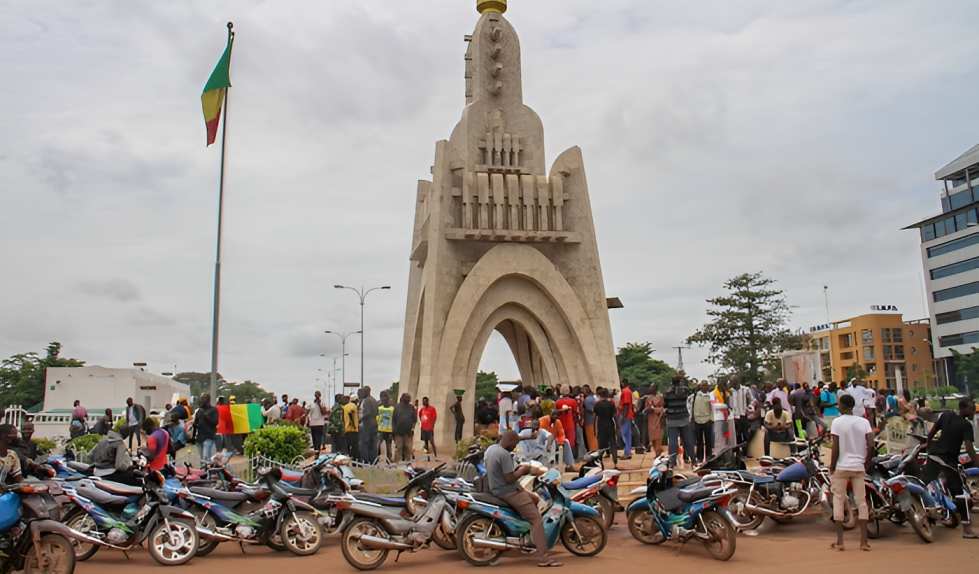
The decision was announced by Education Minister Amadou Sy Savane on state television on October 27, 2025, explaining that the movement of students and teachers had been severely disrupted as fuel supplies dried up.
Mali has ordered the nationwide closure of all schools and universities until November 9, 2025, amid a deepening fuel crisis triggered by a militant-imposed blockade.
The decision was announced by Education Minister Amadou Sy Savane on state television on October 27, 2025, explaining that the movement of students and teachers had been severely disrupted as fuel supplies dried up.
The crisis stems from a blockade on fuel imports imposed by the al-Qaida-linked group Jama’at Nusrat al‑Islam wal‑Muslimin (JNIM).
Since early September, the militants have banned fuel trucks from neighbouring countries and targeted supply convoys, including burning large numbers of tankers, in a strategic move to choke Mali’s economy and destabilise the government.
Mali, a land-locked nation heavily reliant on imported fuel, has seen long queues at petrol stations in the capital Bamako and major disruptions to transport and commodity supply chains. Thousands queue for hours, and in some regions fuel stations have closed entirely.
The education shutdown underscores how far the crisis has spread beyond transport and logistics. With staff unable to commute to schools and universities unable to operate safely, Minister Savane said the measure was unavoidable.
“Classes would be suspended for two weeks due to disruptions in fuel supplies that are affecting the movement of school staff,” he said.
For the country’s military-led government, which seized power in 2020 and 2021, the blockade is a major test of its capacity to govern.
Analysts say the blockade reveals the state’s weakened grip and the rising reach of insurgents who are increasingly capable of targeting critical infrastructure rather than just battlefield engagements.
The weeks ahead are crucial. Authorities say they are working to restore fuel supplies before classes are scheduled to resume, but many families and students face anxiety over learning loss, transportation issues, and how long the disruption might stretch.
The blockade has ripple effects, higher transport and commodity costs, economic strain, and amplified vulnerability across a country already grappling with security, humanitarian, and governance challenges.




Comments
Sign in with Google to comment, reply, and like comments.
Continue with Google