ICC ends Kenya post-election violence investigation, two still wanted
Six prominent Kenyans faced charges of crimes against humanity during the investigation: former President Uhuru Kenyatta, President William Ruto, former Cabinet minister Henry Kosgey, former Head of Public Service Francis Muthaura, former Police Commissioner Mohammed Hussein Ali, and journalist Joshua arap Sang. Each of them denied the allegations.
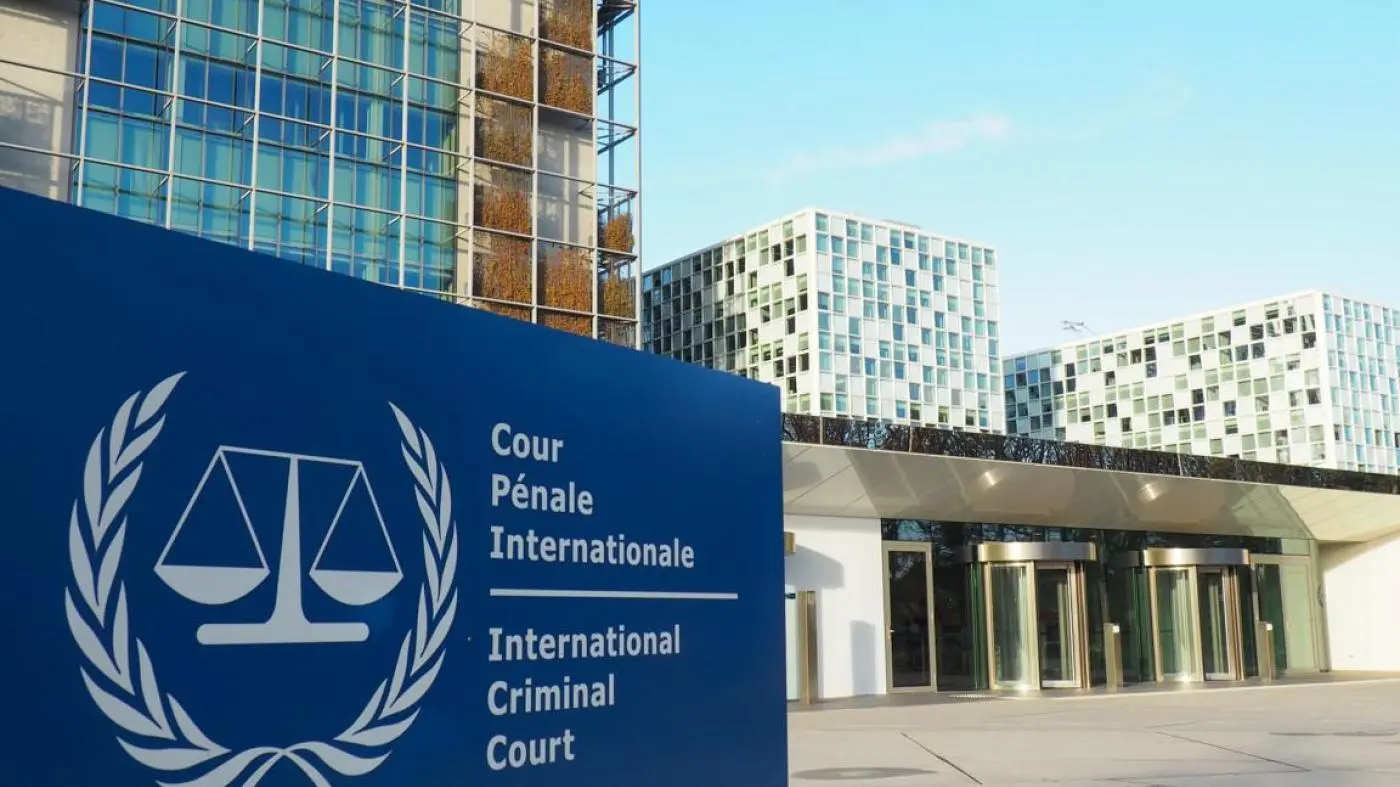
The International Criminal Court has formally ended its investigation into Kenya’s 2007–2008 post-election violence, which claimed over 1,000 lives and displaced hundreds of thousands.
Despite closing the main case, the Court continues to pursue two individuals accused of interfering with witnesses, underscoring ongoing challenges in delivering justice.
In its latest report to the Assembly of States Parties, the ICC’s Office of the Prosecutor confirmed on November 27, 2023 that all investigations connected to the Kenya situation have concluded.
The announcement brings to a close a 13-year effort to hold those responsible for the unrest accountable.
Six prominent Kenyans faced charges of crimes against humanity during the investigation: former President Uhuru Kenyatta, President William Ruto, former Cabinet minister Henry Kosgey, former Head of Public Service Francis Muthaura, former Police Commissioner Mohammed Hussein Ali, and journalist Joshua arap Sang. Each of them denied the allegations.
Between 2013 and 2016, the Court’s cases gradually collapsed, hampered by weak evidence, witnesses withdrawing statements, and widespread interference. Deputy Prosecutor Nazhat Shameem Khan noted that intimidation and manipulation of witnesses played a major role in the breakdown of the cases.
Two suspects remain wanted
While the investigation itself is finished, the ICC continues to act on matters related to the Kenya situation to uphold the integrity of its judicial process. Arrest warrants remain active for Walter Barasa and Philip Kipkoech Bett.
Both are accused of offences under Article 70 of the Rome Statute, specifically for attempting to corruptly influence ICC witnesses.
“They are the subject of warrants of arrest for alleged offences against the administration of justice pursuant to Article 70 of the Rome Statute, consisting of corrupting or attempting to corruptly influence ICC witnesses,” the report stated.
Interference with witnesses has long been cited as a central obstacle in the Kenya cases. Charges against Kenyatta were dropped in 2014 after prosecutors reported witness intimidation, followed shortly by the dismissal of Sang’s case.
In 2016, the Court terminated the case against Ruto, finding insufficient evidence to proceed.
One judge highlighted an “intolerable” level of political interference and described witness tampering as “troubling.” Ruto had denied charges including murder, deportation, and persecution during the unrest that killed around 1,200 people.
Long-Term Consequences
The ICC’s closure of the investigation marks the end of international proceedings but leaves many victims without closure.
More than 500,000 people were displaced during the violence, which saw ethnically targeted attacks and deep political divisions.
Despite multiple inquiries and reconciliation initiatives, no senior officials have been held formally accountable.
Critics warn that without convictions, key questions about responsibility, truth, and compensation remain unresolved. The ethnic tensions and trauma from that period continue to affect communities across Kenya.




Comments
Sign in with Google to comment, reply, and like comments.
Continue with Google