MPs to resume sittings as Sh204 billion Safaricom divestiture takes priority
At the centre of the agenda are documents from the National Treasury, including the 2026 Budget Policy Statement, the Debt Management Strategy and Sessional Paper No. 3 of 2025, which proposes the sale of part of the government’s stake in Safaricom.
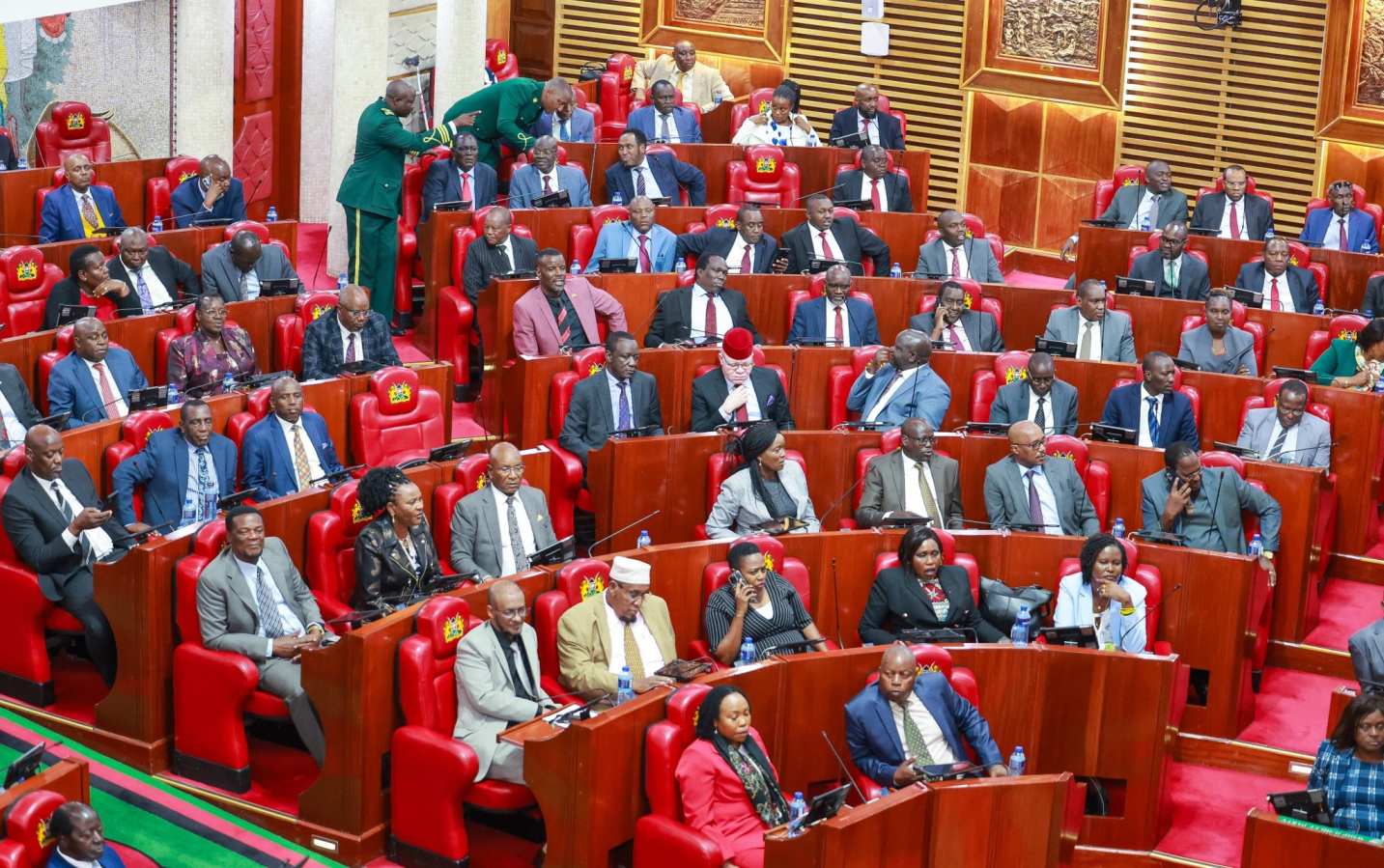
The National Assembly will reopen its doors on Tuesday, February 10, 2026, as lawmakers prepare to take up a wide range of financial, policy and legislative issues that are expected to influence the country’s economic direction and budget planning for the next financial year.
At the centre of the agenda are documents from the National Treasury, including the 2026 Budget Policy Statement, the Debt Management Strategy and Sessional Paper No. 3 of 2025, which proposes the sale of part of the government’s stake in Safaricom.
The law requires the Treasury to present both the Budget Policy Statement and the Debt Management Strategy to Parliament by February 15 every year.
The Budget Policy Statement outlines the state of the economy and gives a picture of the government’s fiscal plans over the medium term. It sets spending limits for ministries, departments and agencies, and indicates how much money will be transferred to county governments.
It also explains how funds will be shared among programmes and projects in different sectors and the basis that will be used to decide these allocations in the coming financial year.
The Debt Management Strategy focuses on public borrowing, detailing the size of the national debt, where loans have been sourced from, guarantees issued by the government and the risks involved. It further explains how the debt will be managed and assesses whether current and planned borrowing can be sustained.
Approval of the two documents will pave the way for the Division of Revenue Bill, which outlines how revenue collected by the national government will be divided between national and county governments.
Lawmakers will also debate Sessional Paper No. 3 of 2025, through which the government plans to raise about Sh204 billion by selling a 15 per cent shareholding in Safaricom at a price that is 23.6 per cent above the six-month volume weighted average price recorded by December 2, 2025.
According to the proposal, the Treasury intends to sell six million Safaricom shares to Vodacom at Sh34 per share. The government currently holds a 35 per cent stake in the company, valued at between Sh280 billion and Sh300 billion, while Vodacom owns 40 per cent. The sale is expected to be completed by March 26, 2026.
The Sessional Paper was introduced in the House on December 4, 2025 and forwarded to the Departmental Committee on Finance and National Planning and the Committee on Public Debt and Privatisation. Since December 8, 2025, the two committees have been jointly collecting views from the public on the proposed transaction.
Another major item awaiting debate is the proposed National Infrastructure Fund alongside the Sovereign Wealth Fund. Once the National Executive tables the required legislation, MPs will consider the framework for establishing the Sh5 trillion fund, which is intended to draw private investment and reduce dependence on loans and taxes.
During a recent retreat in Naivasha, legislators cautioned that approving the Safaricom sale before passing the Infrastructure Fund law could leave the proceeds without clear safeguards.
The House is also scheduled to examine agreements linked to oil and gas development in Turkana County. These include the field development plan and production sharing contracts between the government and Gulf Energy for Blocks T6 and T7 in the South Lokichar Basin. The documents were submitted by the Cabinet Secretary for Energy and tabled by the Leader of the Majority, Kimani Ichung’wah, and require parliamentary approval.
In addition, MPs will review a report by the Committee on Agriculture and Livestock on tea pricing following concerns over uneven payments to farmers in different regions.
Lawmakers are expected to finalise debate on a report by the Committee on Defence, Intelligence and Foreign Relations on the British Army Training Unit in Kenya, which looks into claims of human rights abuses, environmental harm and gaps in accountability.
Bills linked to the National Dialogue Committee will also be prioritised. These include the Draft Constitution of Kenya (Amendment) Bill, 2024, the Election Offences (Amendment) Bill, 2024 and the Leader of Opposition Bill, 2024, which proposes the creation of an official Office of the Leader of Opposition.
Other legislation set for consideration includes the Public Participation Bill, 2025, the Local Content Bill, 2025, the Forest Conservation and Management (Amendment) Bill, 2025, the Tea (Amendment) Bill, 2023 and the Creative Economy Support Bill, 2024, which seeks to support and organise the creative sector.




Comments
Sign in with Google to comment, reply, and like comments.
Continue with Google