Transport State Department faces Sh37.7bn budget shortfall in 2026 policy statement
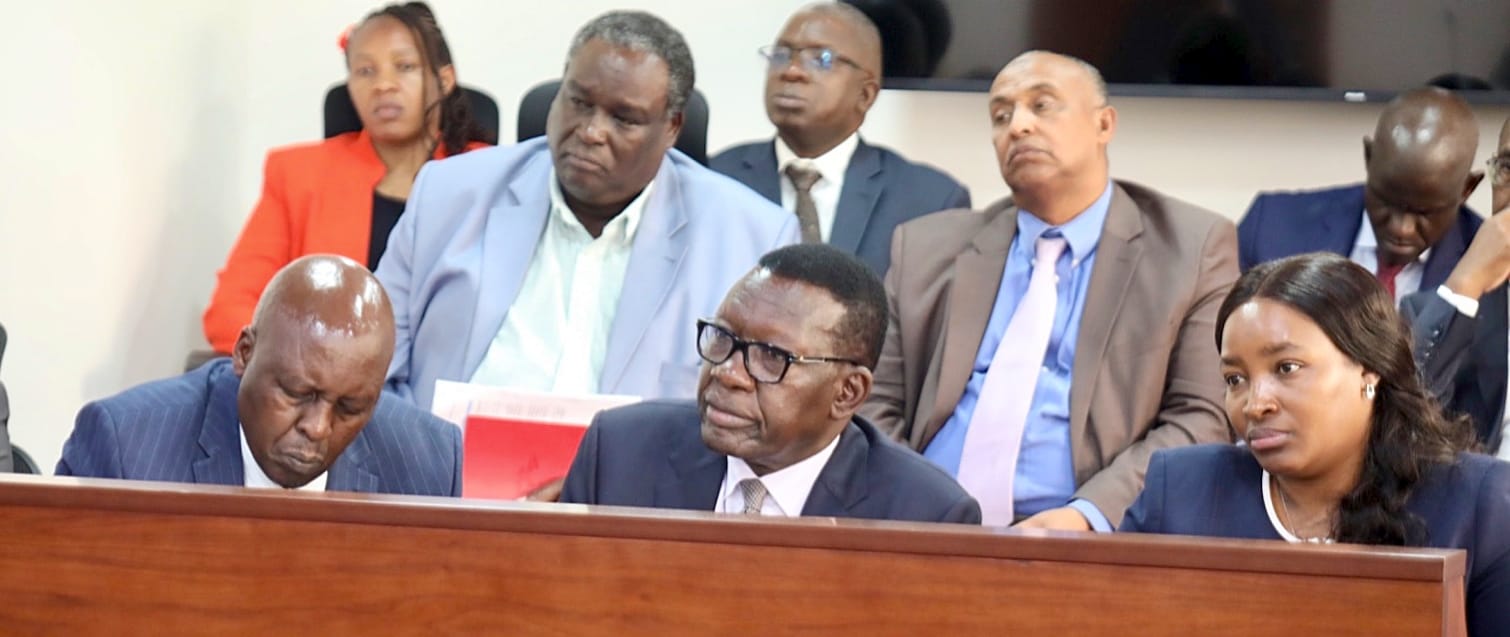
Kenya’s State Department for Transport has reported a Sh37.7 billion funding shortfall in its 2026/27 budget plan, warning MPs this could delay key infrastructure projects and core statutory obligations.
The State Department for Transport has revealed a significant funding gap in its proposed 2026 Budget Policy Statement (BPS), raising concerns over the implementation of critical national infrastructure and transport projects.
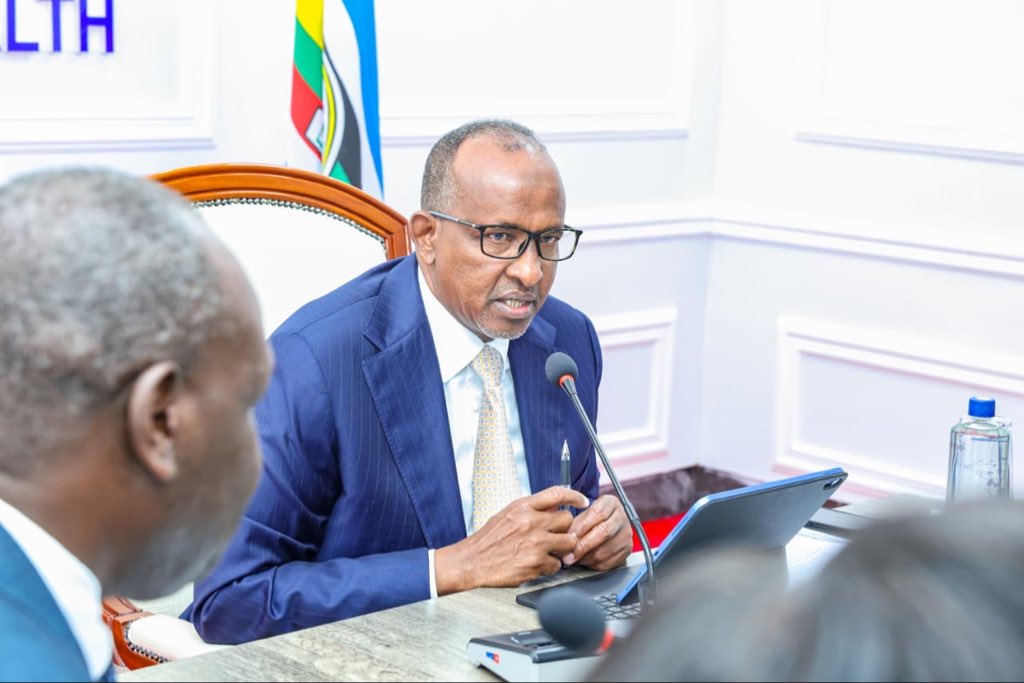
Principal Secretary Mohamed Daghar, appearing before the National Assembly Committee on Transport and Infrastructure, told the MPs that the department proposed FY2026/27 budget allocation based on the BPS ceiling, which stands at Sh65.1 billion against a total resource requirement of Sh102.7 billion.
“A shortfall of Sh37.7 billion, of which Sh2.5 billion relates to the recurrent budget, while Sh35.2 billion relates to the development budget,” warning that the funding constraints could affect operational activities tied to its statutory mandate.
“The shortfall will constrain operational activities related to key mandates and statutory obligations, including the finalization of various policies, legislation, stakeholder engagements, and public participation,” Daghar said.
Daghar told the MPs that maritime infrastructure development has already experienced delays, acknowledging that the project's progress is behind schedule.
“The project progress is behind schedule due to a delay in the payment of the advance payment to the contractor. The issue has since been resolved, and the contractor has since mobilized.” Daghar acknowledged.
As of January 31, 2026, the department reported pending bills amounting to Sh. 163.7 million for operations and maintenance, Sh1.4 billion for the Nairobi Metropolitan Area Transport Authority (NaMATA) Bus Rapid Transport Project (BRT), and Sh2.6 billion for the Kenya Railways Corporation's Mukuru-Kibera RAP project.
Additionally, the PS stated that the department recently introduced a major policy initiative aimed at sustainable transport.
“Implementation of this policy is capital-intensive, and the Department therefore requests that this Esteemed Committee consider prioritising funding for Policy rollout.”
Daghar told the lawmakers that despite progress made at the port of Lamu, the department emphasized that infrastructure gaps continue to limit the performance of the Lamu Port-South Sudan-Ethiopia Transport (LAPSSET) Corridor Project.
“Its full potential remains constrained by the absence of supporting corridor infrastructure.”
Daghar assured lawmakers that “the State Department for Transport remains committed to the effective implementation of its mandate in line with the Integrated National Transport Policy, the Bottom-Up Economic Transformation Agenda, and the Vision 2030.”
He added that, “the Department therefore respectfully seeks the continued support and guidance of this Committee in addressing the outstanding funding gaps, facilitating timely policy and legislative approvals and supporting strategic investments in transport infrastructure and services.”
The PS said that Several flagship infrastructure projects, which may be affected by the financial gap, include the development of Nairobi Railway City, the construction of Berth 1 at Dongo Kundu Special Economic Zone, Standard Gauge Railway (SGR) Phases 2B and 2C, and the modernization of Motor Vehicle Inspection and Driver Testing Centers.



Comments
Sign in with Google to comment, reply, and like comments.
Continue with Google