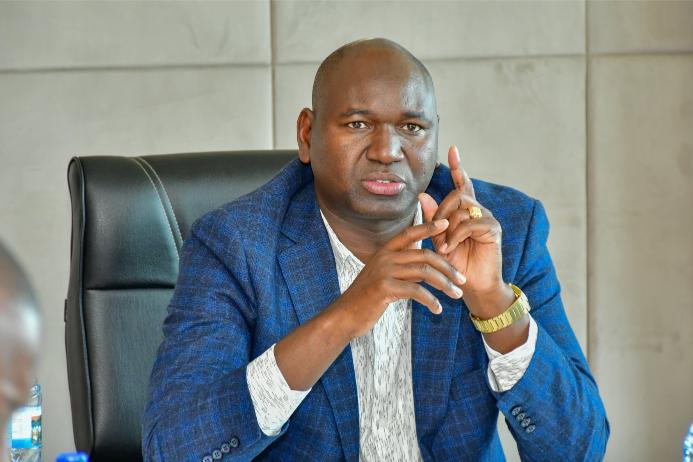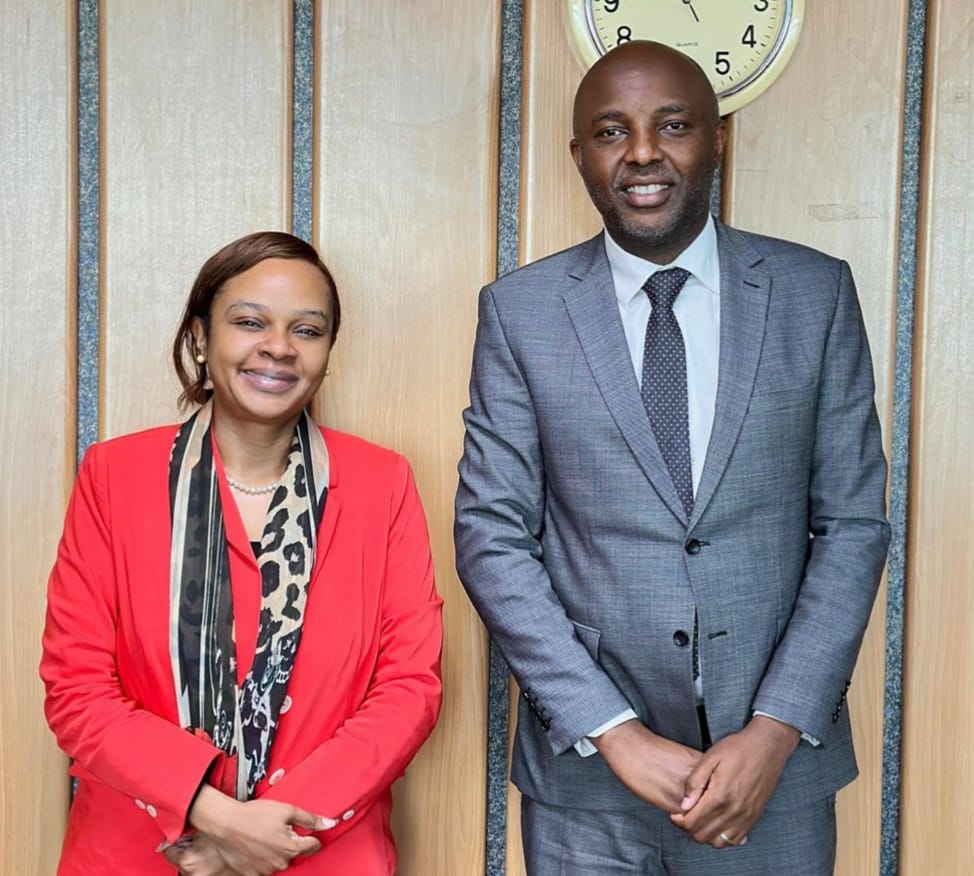
The Murang’a County government is set to receive overdue payments from the Social Health Authority (SHA) following successful negotiations between Governor Irungu Kang’ata and SHA Chief Executive Director Mercy Mwangangi.
The discussions focused on clearing pending claims for medical services provided to patients under the National Health Insurance Framework.
Murang’a County had been pursuing Sh327 million in outstanding reimbursements, with SHA acknowledging Sh207 million as owed. From the meeting, it emerged that SHA will immediately release Sh47 million by January 14, while the remaining balance will be settled in phases.
Governor Kang’ata emphasized that the funds are intended to support public hospitals that have continued operating despite financial strains caused by delayed reimbursements. He explained that the slow payments have hindered the county’s ability to maintain adequate stocks of essential medicines and medical supplies.
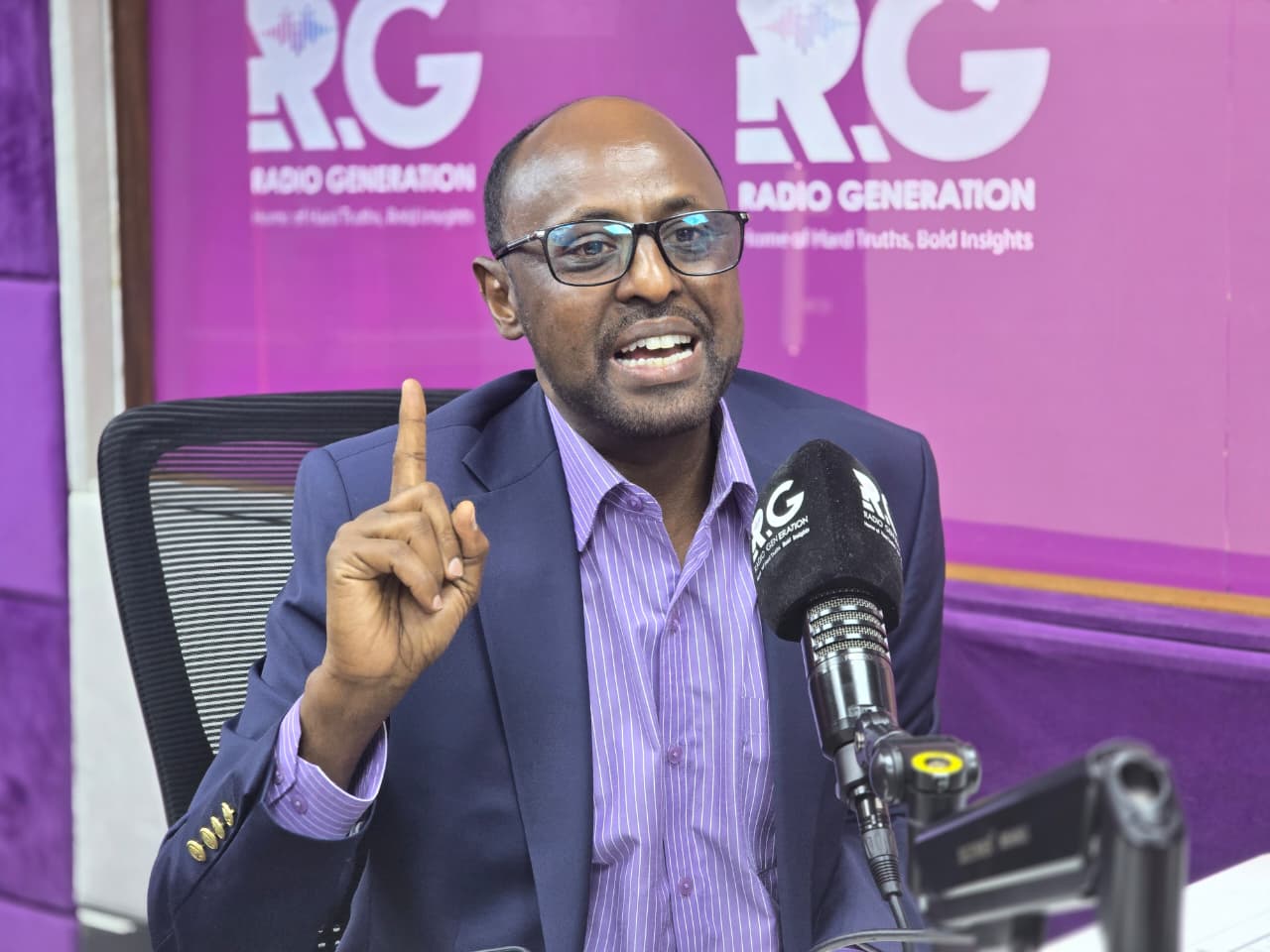
“Hospitals have been forced to stretch limited resources as they continue to attend to patients even as reimbursements lag behind. Our health facilities cannot function effectively without a steady flow of resources. This money will help us restock drugs and ensure that patients receive the care they deserve,” Kang’ata said.
In addition to the immediate funds, SHA also committed to releasing Sh11.3 million within a week to cover last expense benefits for 113 households enrolled under Kang’ataCare, a county programme providing free health insurance to vulnerable families.
SHA highlighted several documentation gaps in the county’s claims, including missing or unfilled claim forms, incomplete discharge summaries, missing itemized invoices, and claims that were not resubmitted within the 14-day window.
The authority and the county agreed to conduct targeted facility audits and improve processes to enhance efficiency, transparency, and turnaround times.
Kang’ataCare currently supports over 40,000 vulnerable households across Murang’a County. The governor described the programme as a crucial safety net for poor families, stressing that timely reimbursements are essential to sustain the initiative and shield families from financial hardship during illness or bereavement.
As Murang’a awaits the first tranche of payments, both health workers and patients remain hopeful that the agreement with SHA will ensure more regular and predictable reimbursements in the future.
Kang’ata noted that the commitment by SHA offers cautious optimism for stabilizing service delivery even as discussions continue over the remaining balance.