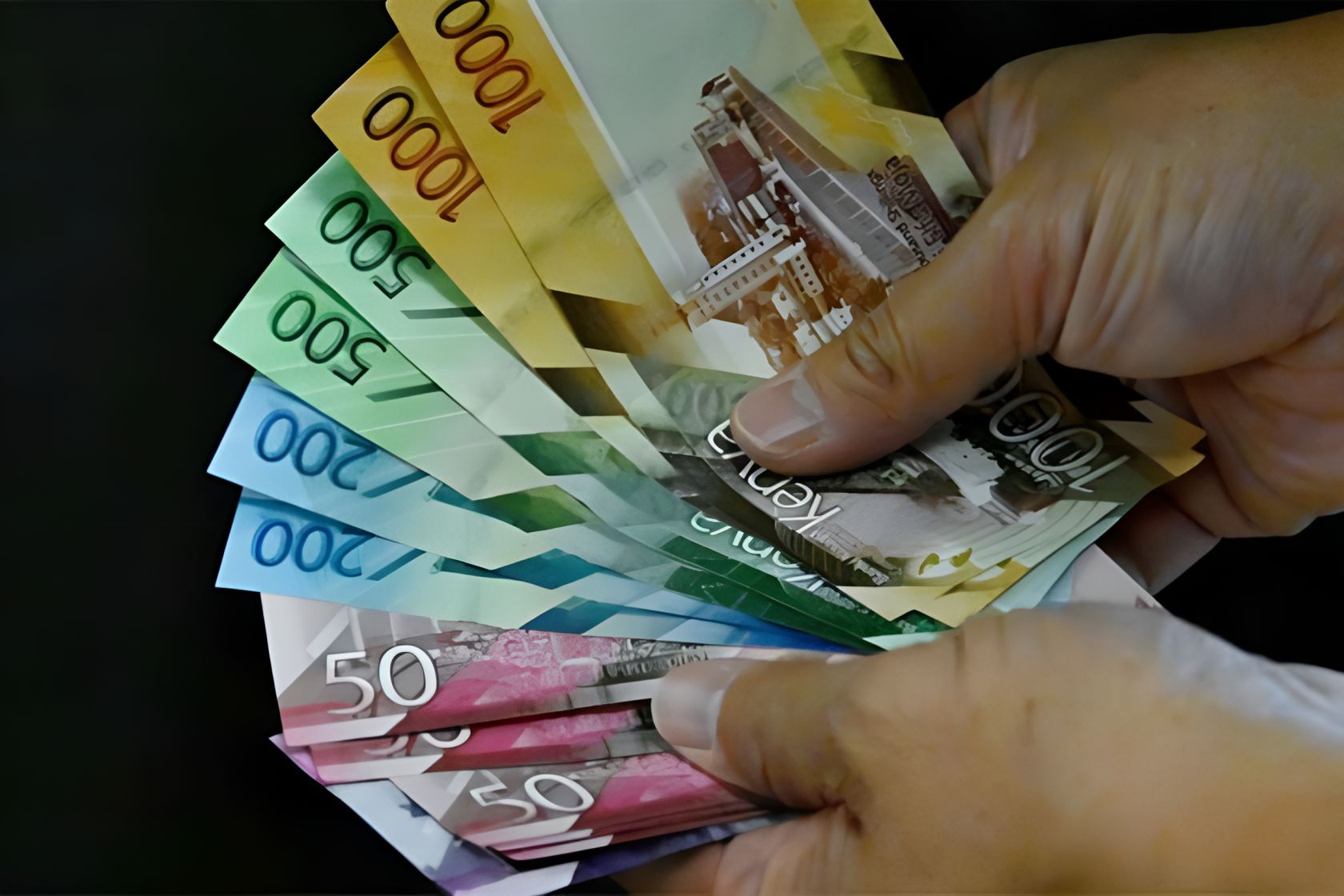
Many Kenyans are increasingly turning to major hospitals and paying cash for treatment as low-level health facilities struggle to provide essential services, a new study reveals.
The Nairobi-based thinktank, Institute of Economic Affairs (IEA), highlights that gaps in government funding for level two and three hospitals are pushing patients toward larger public and private facilities.
In some private hospitals, patients are asked to make upfront payments due to delays in reimbursement from the government, leaving citizens with few alternatives.
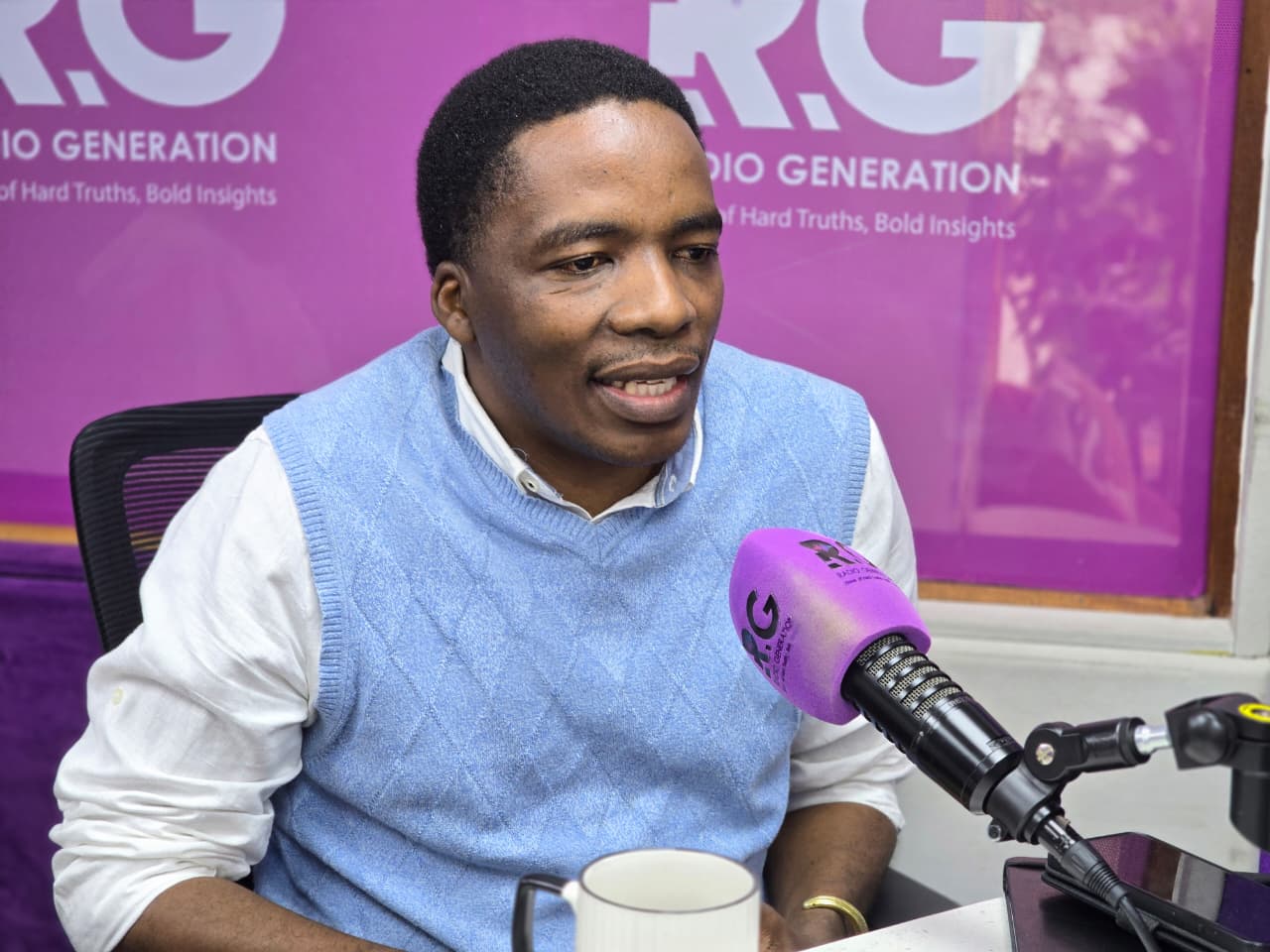
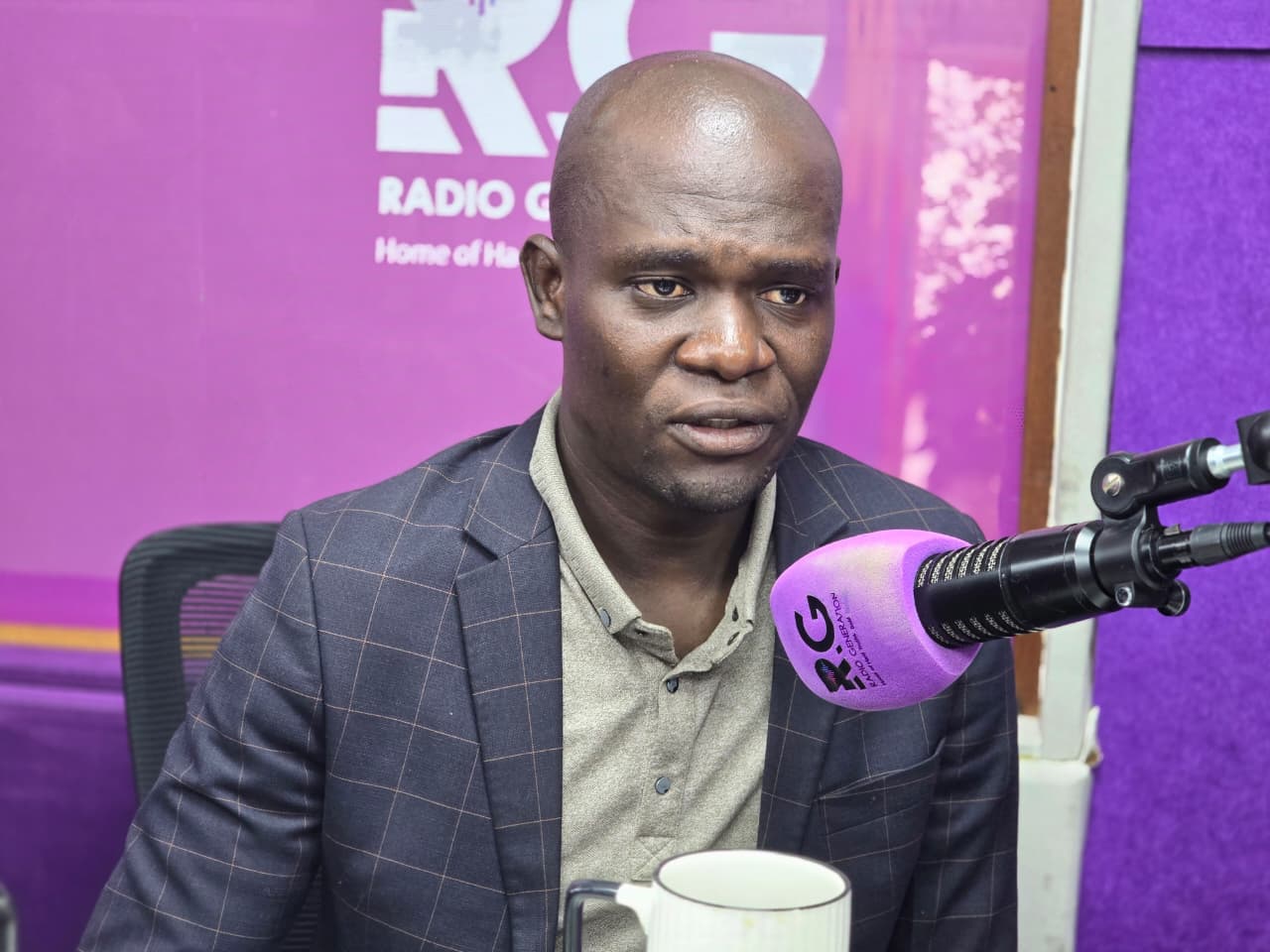
“Given the difficulty or challenges in claim reimbursement, people who are seeking services from private health facilities are being asked to pay. There are cases where people have no choice. Those who have money have to go back into their pocket,” said John Mutua, IEA’s programmes coordinator.
The study examined the Social Health Authority’s (SHA) system and found recurring funding shortfalls that limit access to essential health services. These gaps affect the authority’s ability to finance subsidies for vulnerable households and support low-level facilities.
SHA runs three separate funds: the Primary Healthcare Fund (PHC), Social Health Insurance Fund (SHIF), and the Emergency, Chronic, and Critical Illness Fund (ECCIF), each serving different health needs.
The IEA notes that the PHC and ECCIF, which provide for poor families and those with chronic conditions, face frequent underfunding.
Budget documents from the Ministry of Health indicate a projected shortfall of Sh14.3 billion to meet the needs of more than a million people.
The PHC fund is underfunded by Sh35 billion, while only Sh8 billion of the Sh15.8 billion needed has been allocated to the ECCIF.
As a result, low-level public facilities cannot fully serve communities, forcing patients either to pay out-of-pocket or to seek treatment for minor conditions at large hospitals, intensifying pressure on the healthcare system.