The Judiciary of Kenya will today, Thursday, October 30, 2025, conduct a nationwide Employee Census aimed at strengthening human resource management and enhancing institutional planning across all court stations and administrative units.
The initiative, which is part of the Judiciary’s ongoing reforms, seeks to promote efficiency, transparency, and equitable resource distribution in line with the Social Transformation through Access to Justice (STAJ) blueprint.
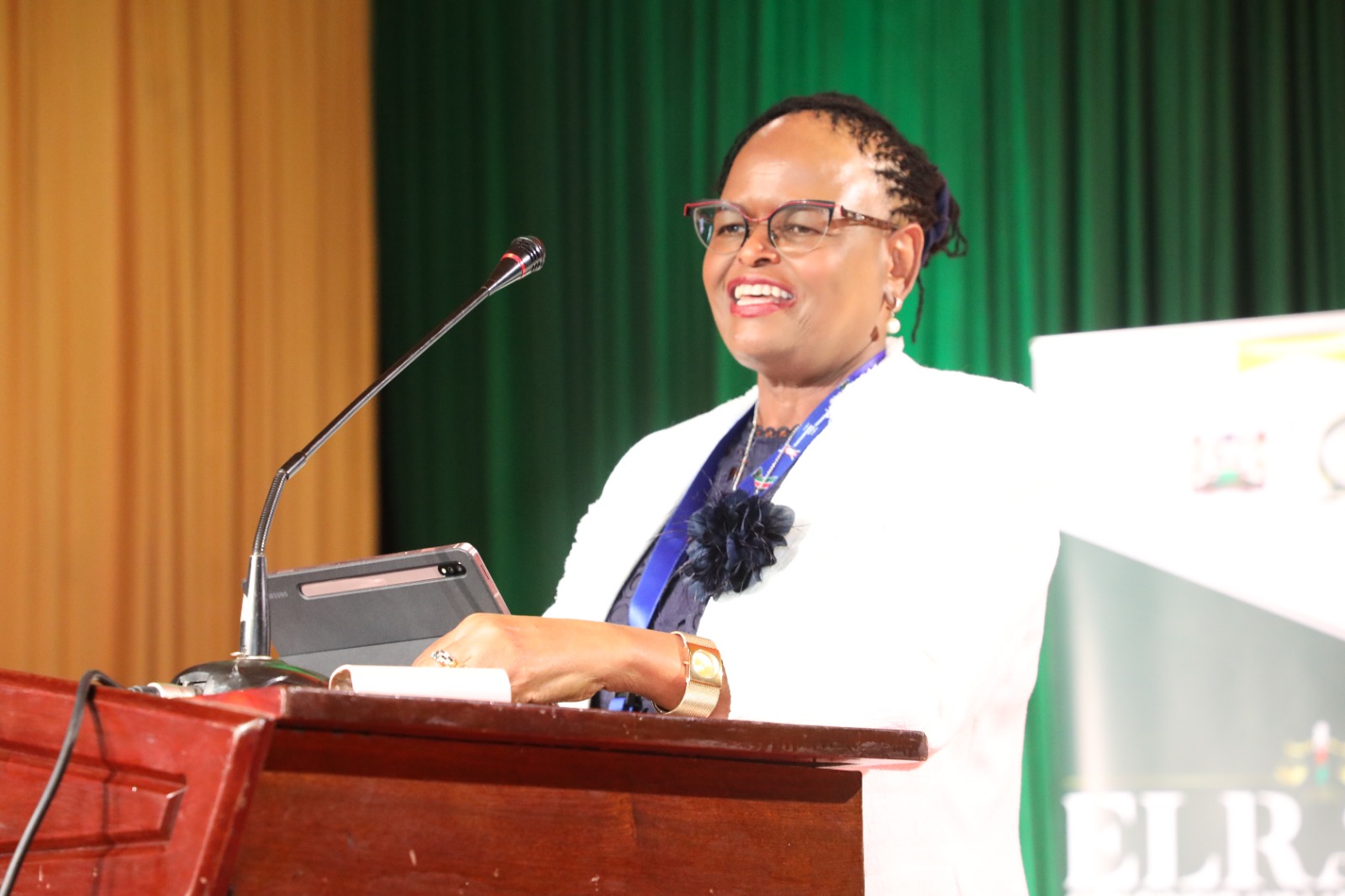
In a statement released by Chief Justice Martha Koome, the census reflects the Judiciary’s continued commitment to integrity, accountability, and effective management of its human capital.
“The Judiciary has, over the years, embraced a culture of proactive and continuous improvement in its operations, with a strong commitment to maintaining the integrity of its institutional data,” she stated.
According to the Judiciary, accurate and reliable data is essential for effective decision-making and the delivery of justice. The institution-wide exercise will therefore focus on improving human capital management, enhancing institutional planning, supporting staff rationalisation, and optimising resource allocation.
“The Census aims to strengthen human capital management, enhance institutional planning, support staff rationalisation, and optimise resource allocation,” the statement read. “It will ensure that human resource systems are efficient, transparent, and aligned with the strategic priorities of the Social Transformation through Access to Justice (STAJ) blueprint.”
This marks the first Judiciary Employee Census since 2018, highlighting a renewed focus on data-driven governance and modern workforce management.
Comparable initiatives have been carried out by other key public institutions, including the Public Service Commission (PSC), the Teachers Service Commission (TSC), the National Police Service Commission (NPSC), and several County Governments, all with the goal of enhancing efficiency and accountability in human resource systems.
Chief Justice Koome noted that the Judiciary had previously invited the Ethics and Anti-Corruption Commission (EACC) in November 2021 to conduct a systems review and audit of its policies, procedures, and practices as part of its integrity-strengthening measures.
“This initiative sought to identify and strengthen measures that promote integrity and accountability within the institution,” she said.
The Judiciary further assured court users, advocates, and the general public that the exercise has been organised to ensure minimal disruption to judicial proceedings.
“Court operations will continue as scheduled,” the statement affirmed.
Through this Employee Census, the Judiciary aims to reinforce its transformative agenda under STAJ, ensuring that justice delivery remains people-centered, transparent, and anchored in sound institutional governance.
A report by the Auditor-General released in July 2025 has raised concerns over possible cases of ghost workers within the Judiciary.
The audit found that for the financial year ending June 30, 2024, the Judiciary reported a staff complement of 8,330, up from 6,014 the previous year, an increase of 2,316 employees.
However, records showed only 136 new contracts had been issued, leaving an unexplained discrepancy of 2,180 staff whose employment status could not be verified.































Comments
Sign in with Google to comment, reply, and like comments.
Continue with Google