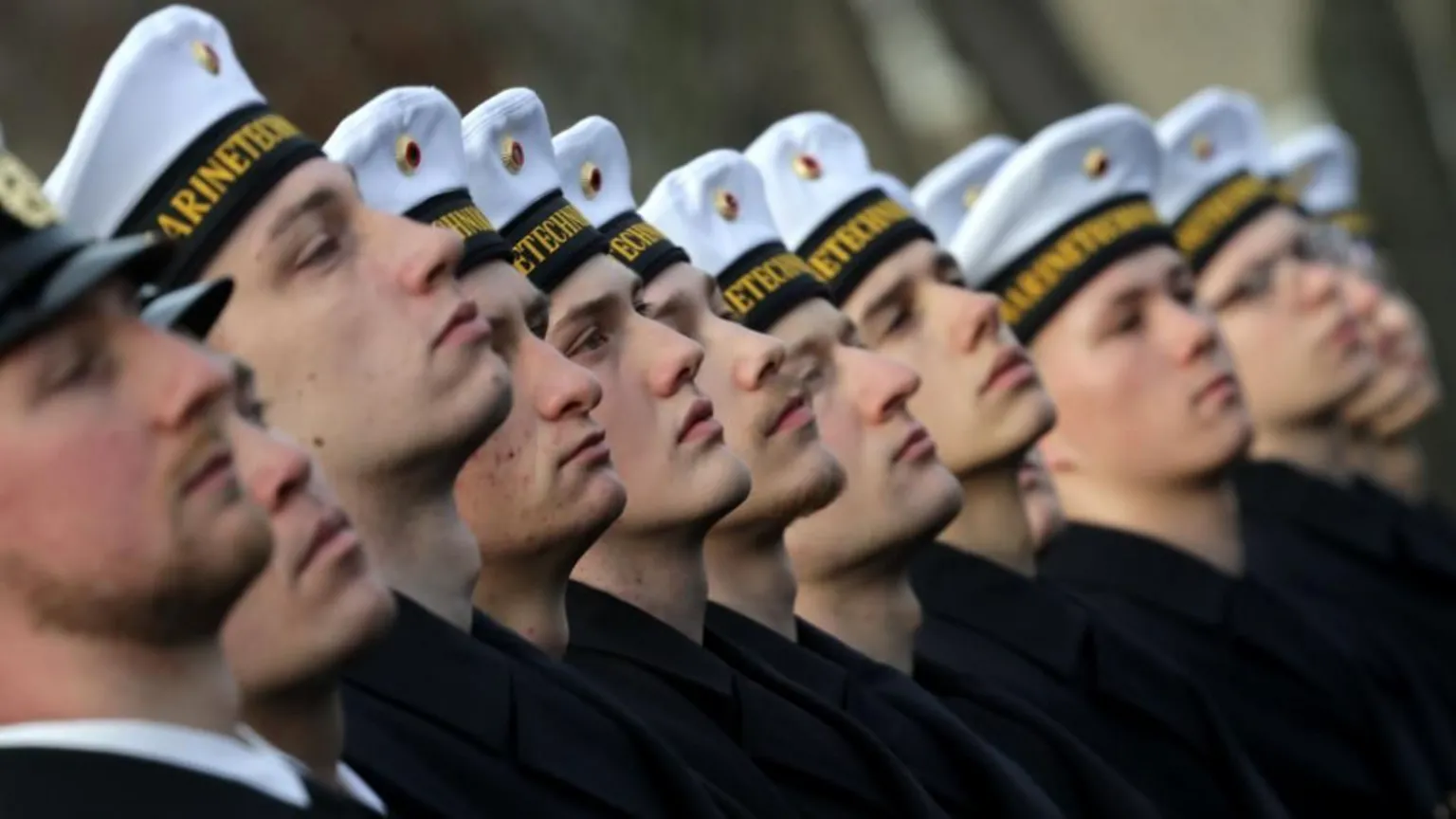
Germany has approved a major shift in its defence policy after lawmakers voted on Friday to bring back voluntary military service for 18-year-olds, marking the country’s most far-reaching move on security in more than ten years.
The decision comes as Berlin sharpens its focus on national defence following Russia’s invasion of Ukraine and growing expectations from NATO partners.
The Bundestag passed the proposal by 323 votes to 272, clearing the way for the new system to take effect in January 2026. Under the plan, all 18-year-old men will be required to fill out a questionnaire stating whether they are willing to join the military, while women may complete the same form if they wish.
The government says the information will guide its recruitment plans and support quick mobilisation should the security situation worsen.
The reform is tied to Chancellor Friedrich Merz’s push to build what he insists should be Europe’s strongest conventional force, a goal driven by rising tensions in the region. But the announcement has drawn sharp criticism from young people, who are preparing to stage protests in as many as 90 cities.
In a statement shared on social media, organisers said they don’t want to “spend half a year of their lives locked up in barracks, being trained in drill and obedience and learning to kill.” They added that war “offers no prospects for the future and destroys their livelihoods.”
Hamburg is expecting around 1,500 students to take part in the demonstrations. School leaders have told parents not to excuse children from class to participate.
While the new structure keeps the programme voluntary at the start, the government plans to take firmer steps from July 2027, when all 18-year-old men will undergo a compulsory medical exam to check whether they are fit for possible service.
Defence Minister Boris Pistorius said the screening is needed because “universal screening ensures Germany does not lose time determining who is operationally capable as a homeland protector and who is not.”
The Bundeswehr currently has about 182,000 troops, but defence officials want to add 20,000 active soldiers within a year. The country’s long-term target is 260,000 troops and 200,000 reservists by the early 2030s. Planners say the questionnaire and medical records will help Germany respond faster if its security landscape changes.
Although the model remains voluntary for now, leaders have not ruled out making service compulsory if too few young people sign up.
Germany joins a growing list of European nations expanding or reviving military service. France recently launched its own voluntary ten-month programme for 18- and 19-year-olds, part of a wider push across Europe to strengthen defence systems.
Germany had nearly half a million troops during the Cold War, but numbers dropped after conscription was abolished in 2011 under former chancellor Angela Merkel. The latest shift reflects rising concerns about Russia and continued pressure from the United States for NATO members to raise defence spending.
To encourage more volunteers, Germany is offering a monthly pay package of about Sh390,000 — far higher than the Sh120,600 France pays under its new youth service plan.
The vote came on a busy day in Parliament, which also debated a disputed pension reform plan. The bill, a key part of the agreement between Merz’s conservative bloc and the Social Democrats, will keep pension levels steady until 2031.
Younger conservative lawmakers warned the measure is not financially sustainable, but the Left Party said it would abstain, lowering the number of votes needed and helping the coalition secure approval.
The move reduced pressure on the narrow majority and averted a fresh political standoff, even as the debate over Germany’s defence path continues to deepen.































Comments
Sign in with Google to comment, reply, and like comments.
Continue with Google