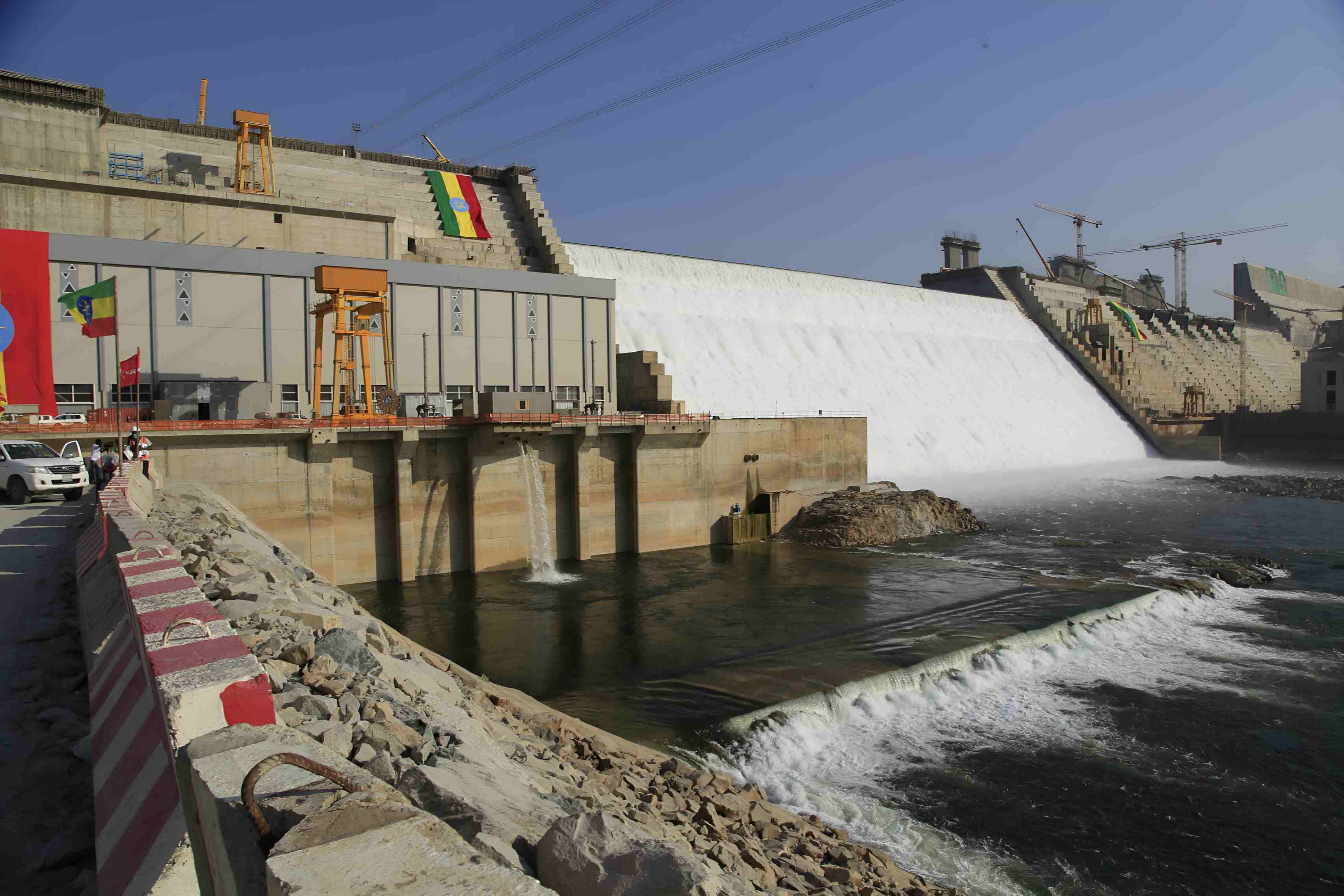
Months after Ethiopia started producing electricity from the Grand Ethiopian Renaissance Dam, tensions with Egypt over the Nile have resurfaced, this time focusing on the volume of water stored in the reservoir rather than the dam’s construction itself.
Cairo claims the reservoir is far larger than necessary for power generation, while Addis Ababa accuses Egypt of clinging to outdated agreements to avoid open discussion.
The Ethiopian Ministry of Foreign Affairs said Egypt had repeatedly refused talks, describing the stance as a refusal to acknowledge “the realities of the 21st Century.” Addis Ababa argued that the dispute highlights Cairo’s reliance on colonial-era treaties that fail to consider the contributions of upstream states like Ethiopia, which provides nearly 86 percent of the Nile’s waters.
The tensions come as Nile Basin nations prepare for a meeting in Bujumbura aimed at advancing a cooperative framework and establishing a basin commission. The commission would serve as a platform for shared management of the river and its tributaries, though Egypt has yet to ratify the agreement, slowing progress.
Last month, Egypt criticised Ethiopia for filling the GERD reservoir more quickly than expected, suggesting that Addis Ababa aims to control the river.
The dam, which became operational in September, has the capacity to generate up to 6GW of electricity and has long been a source of contention, with Cairo initially calling for a halt or delay in filling.
Ethiopia completed the reservoir filling in three years, a decade faster than Egypt preferred, arguing that a steady water flow would still reach Cairo.
With the Nile supplying almost all of Egypt’s water needs, the stakes remain high. Other countries in the basin—including Kenya, Uganda, Rwanda, the Democratic Republic of Congo, Tanzania, and South Sudan—contribute the remaining flow, emphasizing the need for a cooperative approach.
Addis Ababa has repeatedly challenged the validity of the water-sharing formulas derived from older treaties.
“Egypt has relied on the 1929 and 1959 colonial treaties, which granted Egypt and Sudan the lion’s share of Nile waters. But there was no consent from upstream states, including Ethiopia in spite of its largest share contribution.
“Fair, reasonable and equitable utilisation is a cardinal principle of international law applicable in this context. Ethiopia has no obligation to seek permission from anyone to use natural resources found within its borders.”
Egypt has sought international support, particularly from the European Union, which issued a statement backing Cairo’s water claims. However, the Ethiopian embassy in Brussels criticised the move, saying it ignored the rights of other Nile Basin countries and overlooked principles of equitable and reasonable use central to international water law.
The EU statement emphasised Egypt’s dependence on the Nile, particularly the Blue Nile, and urged cooperation among riparian states under the “do no harm” principle. “Recognising Egypt’s heavy reliance on the Nile River in a context of its water scarcity, the EU reiterates its support to Egypt’s water security and the compliance with international law, including concerning the Ethiopian Dam. The EU encourages transboundary cooperation among riparian countries based on the principles of prior notification, cooperation and ‘do no harm’,” the statement said.































Comments
Sign in with Google to comment, reply, and like comments.
Continue with Google