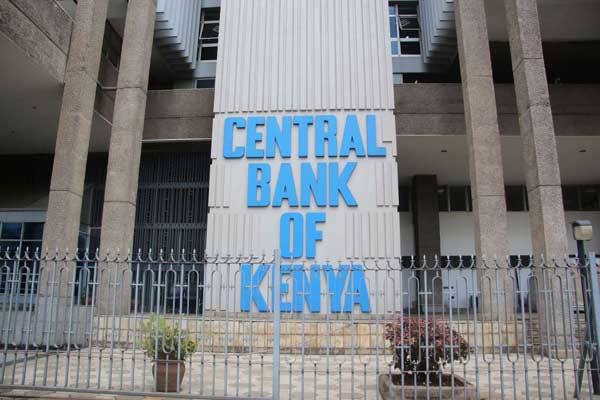
Kenya’s private sector expects inflation to stay low, growth to remain resilient and hiring to increase in 2026, according to the Central Bank’s January Market Perceptions Survey released on Thursday.
Businesses cite macroeconomic stability and lower lending rates as key drivers, though concerns persist over global shocks, fuel prices and fiscal consolidation.
The survey found that overall inflation is projected to remain below the midpoint of the target range over the next three months and in the medium term. This outlook is supported by exchange rate stability and moderate global oil prices.
Business activity is also expected to strengthen in the months ahead.
Economic performance between February and April 2026 is projected to improve, driven by rising private sector activity and recovery across key sectors under a stable macroeconomic environment.
The findings are based on feedback from commercial banks, microfinance banks and non-bank private sector firms across major towns. The exercise targeted chief executives and other senior officers of 357 private sector firms and achieved an overall response rate of 64 percent.
Short-term price expectations remain anchored, with inflation projected to stay low and stable. Continued exchange rate stability, sustained macroeconomic conditions and lower global oil prices are cited as supporting factors.
Over the medium term, inflation is expected to remain close to the midpoint of the target range. This projection is linked to anticipated low food prices, which are expected to result from structural reforms aimed at improving food sufficiency.
However, the survey highlights potential risks to the outlook. These include exposure to external shocks such as higher fuel and other volatile commodity prices, which could raise production and transport costs. Climate-related shocks are also flagged as a threat, given their potential to push up food prices.
Economic growth prospects for 2026 are described as resilient. The outlook is underpinned by increased private sector activity, stable macroeconomic conditions and government investments in infrastructure.
In the near term, activity is expected to range from moderate to strong over the next three months. Easier access to credit and a rise in private sector credit growth, driven by lower interest rates, are seen as key factors supporting expansion.
Credit growth is identified as a central driver of economic activity. Banks anticipate a further increase in private sector credit in 2026, largely due to declining lending rates and improved monetary policy transmission under the Kenya Shilling Overnight Interbank Average framework.
Despite the positive outlook, domestic constraints remain a concern. Reduced disposable incomes and delays in payment of pending bills are reported to be adversely affecting both corporate and individual capacity to trade.
Employment expectations are broadly positive. Hiring levels across all economic sectors are projected to rise in 2026 compared with 2025, supported by planned business growth, diversification and expansion strategies.
Both bank and non-bank firms anticipate taking on more staff to support expansion plans and manage increased workloads.
Optimism about the broader economic outlook remains strong. The survey indicates sustained confidence in Kenya’s economic prospects over the next 12 months, supported by macroeconomic stability and growing private sector activity.
At the same time, businesses remain cautious about global and fiscal developments. Concerns persist over the potential impact of fiscal consolidation measures, which could result in lower government spending and slower revenue collection.
Uncertainties in the global environment, including the prolonged Ukraine-Russia crisis and volatility in the Middle East affecting oil prices, are also seen as risks.
Overall, the survey presents a picture of guarded confidence, with stable inflation, resilient growth and rising employment expectations tempered by global volatility and domestic fiscal pressures.