News
Counties accumulate Sh173bn in pending bills, Kiptoo tells MPs
Kenya’s Treasury faces questions over Sh475 billion in pending bills, Sh13.01 trillion in public debt and Sh173 billion owed by county governments.

Hard truths. Bold Insights. Real talk.
Kenya’s Treasury faces questions over Sh475 billion in pending bills, Sh13.01 trillion in public debt and Sh173 billion owed by county governments.

The researcher argued that Kenya’s position within the Global South should be assessed by examining the structures that influence its ability to determine its own economic and social priorities
The proposed refinery is expected to have the capacity to process 700,000 barrels of crude oil a day, which would make it the largest refinery in East Africa once completed.
The President the push for closer cooperation among African central banks has been under way for decades, with African leaders beginning efforts towards greater coordination in 1963.

SASRA reported that the ratio of non-performing loans to gross loans among DT-Saccos increased to 6.56 per cent in June, from 6.42 per cent three months earlier.
The figures highlight one of Kenya's longstanding economic challenges: creating sufficient employment opportunities for a rapidly expanding working-age population while reducing dependence on informal work

Kenya Airways said the price of jet fuel climbed by 66 per cent during the period, with the increase largely linked to tensions in the Middle East.

Despite the decline in earnings, the bank announced an interim dividend of Sh8.50 for every ordinary share of Sh5
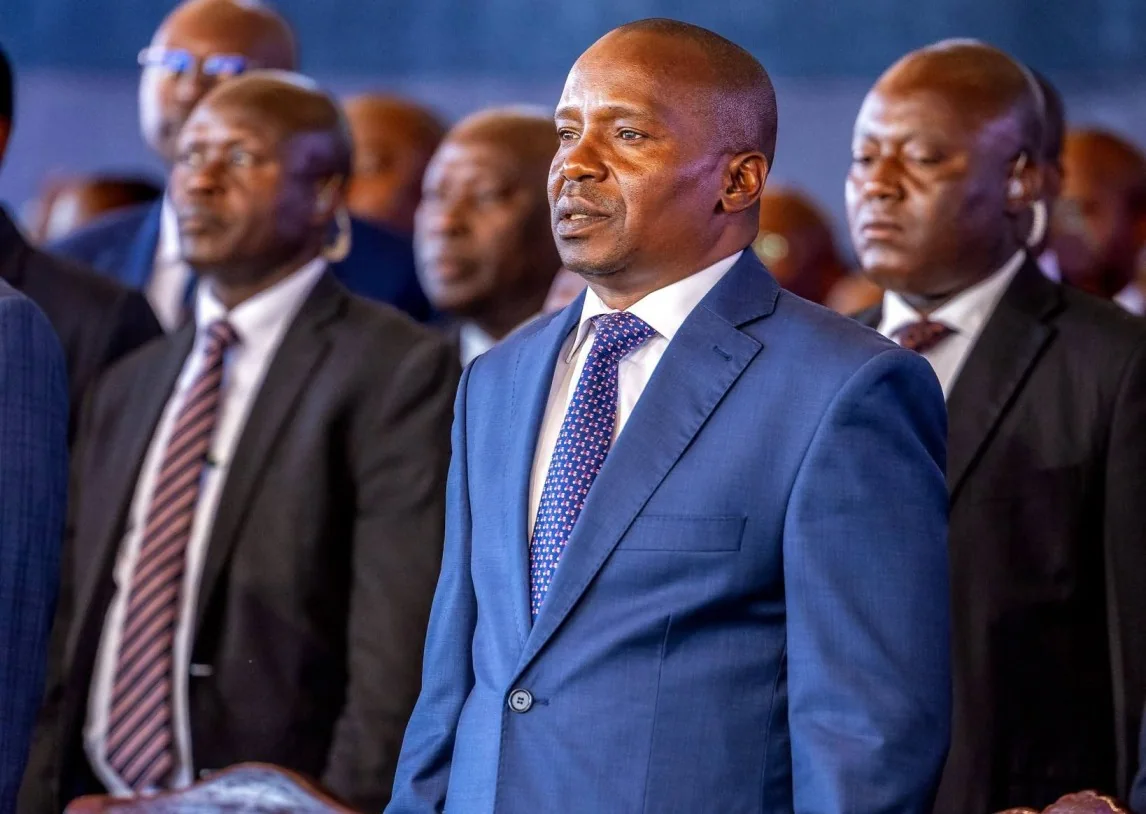
Speaking during the launch of the National Beyond 2030 Conversation on Wednesday, Kindiki said Kenya’s foreign exchange reserves had risen to $15.1 billion, the highest level in the country’s history, while inflation had moderated from 9.6 per cent to below six per cent.
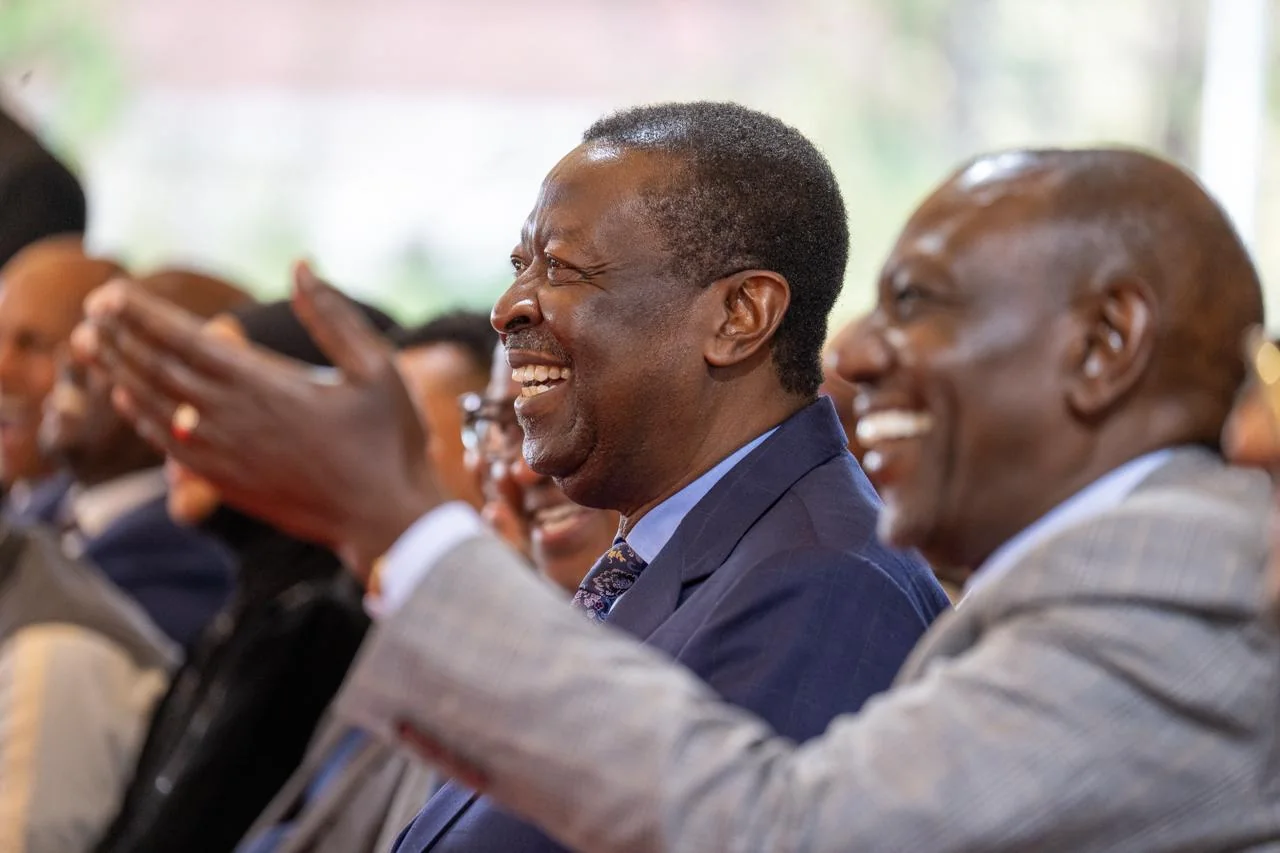
The President said the country's foreign exchange reserves had also recorded strong growth, rising from $5.7 billion, which he said was enough to cover about two and a half months of imports, to $15.3 billion, representing six and a half months of import cover.
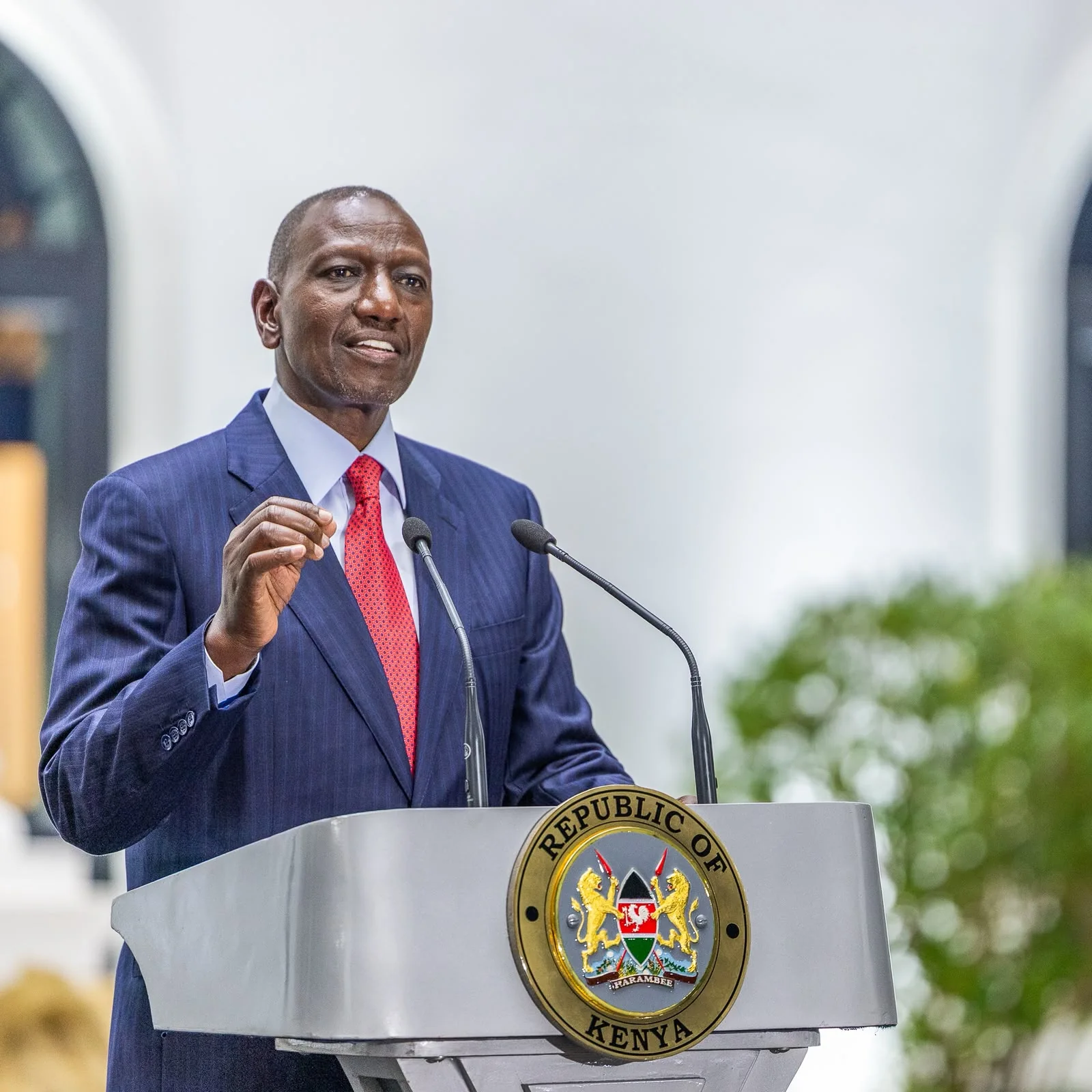
According to Ruto, the government has strengthened the economy by stabilising the Kenyan shilling, increasing foreign exchange reserves to more than $15 billion, enough to cover 6.5 months of imports, while also lowering inflation and reducing the cost of borrowing.
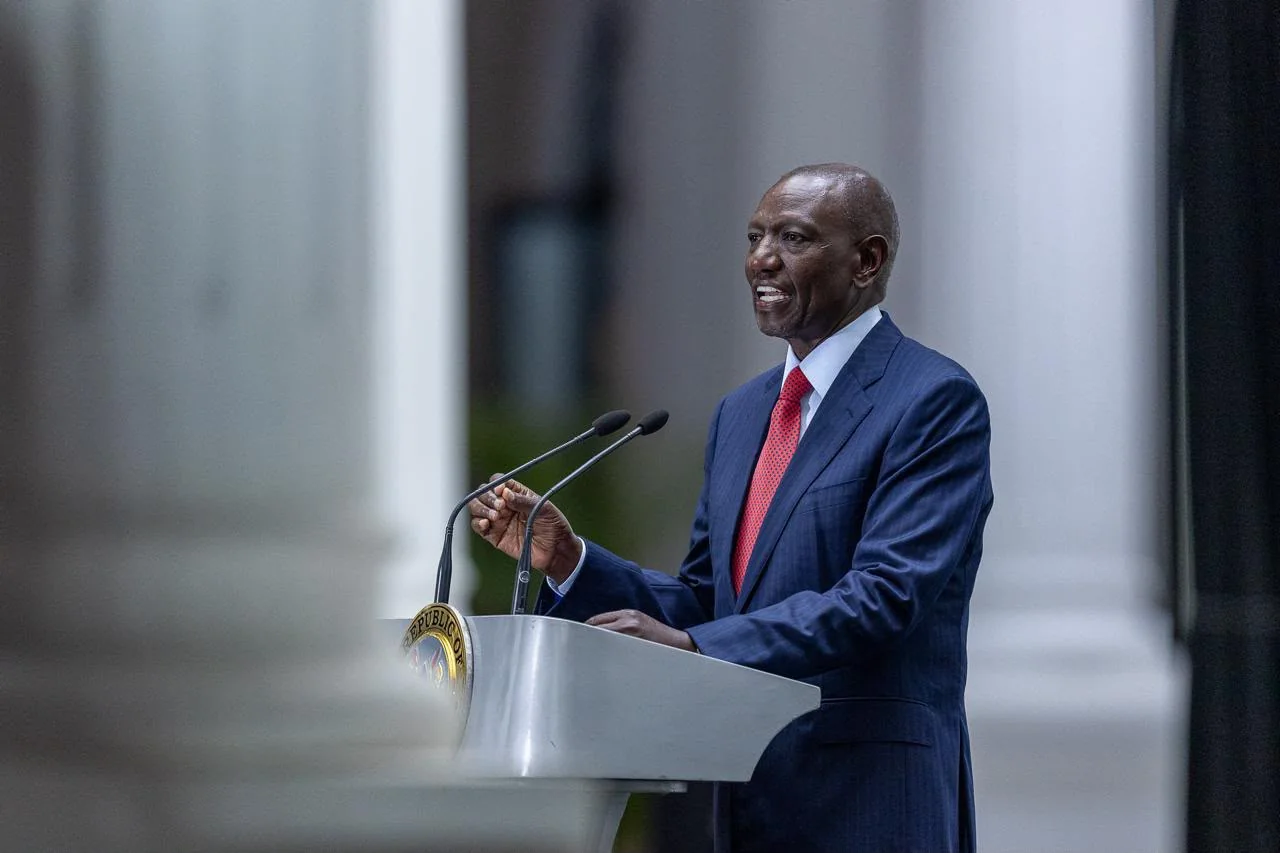
Ruto said the government had stabilised the Kenyan shilling, increased foreign exchange reserves to more than $15 billion, equivalent to 6.5 months of import cover, while also reducing inflation and lowering borrowing costs.
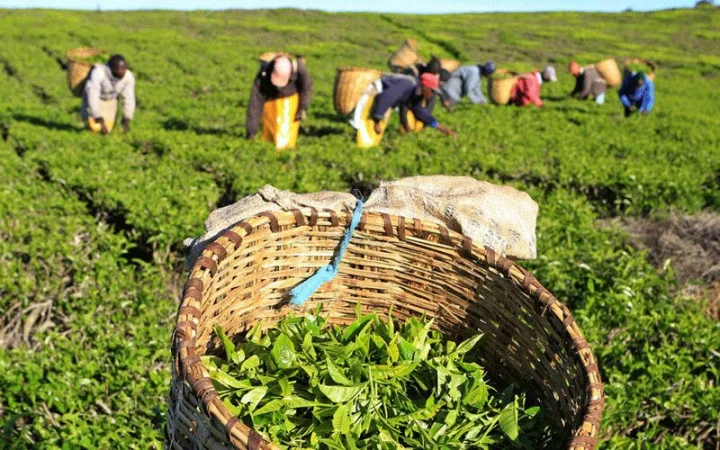
The latest Quarterly Gross Domestic Product (GDP) Report released by the Kenya National Bureau of Statistics (KNBS) shows agriculture, forestry and fishing activities grew by 4.9 per cent during the first quarter of 2026. The performance matched the country's overall economic growth, reinforcing the sector's place as one of the biggest contributors to national development.
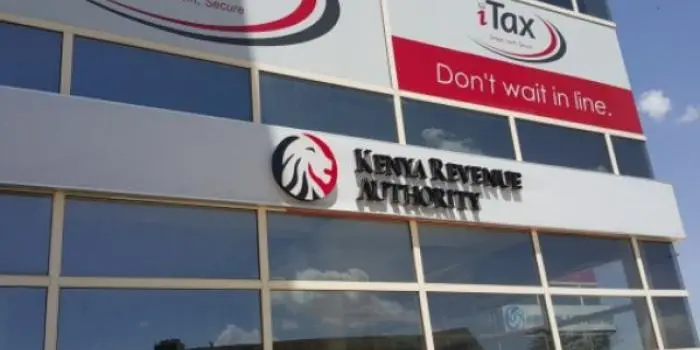
KRA also surpassed its customs revenue target after collecting Sh988.8 billion against a target of Sh980.8 billion, achieving a performance rate of 100.8 per cent. Domestic revenue reached Sh1.851 trillion, equivalent to 93 per cent of the target for the financial year.

Ruto announced that 88,934 beneficiaries who properly utilised their first allocation will shortly receive a second tranche of Sh25,000, raising the total amount each entrepreneur receives under the programme to Sh50,000.
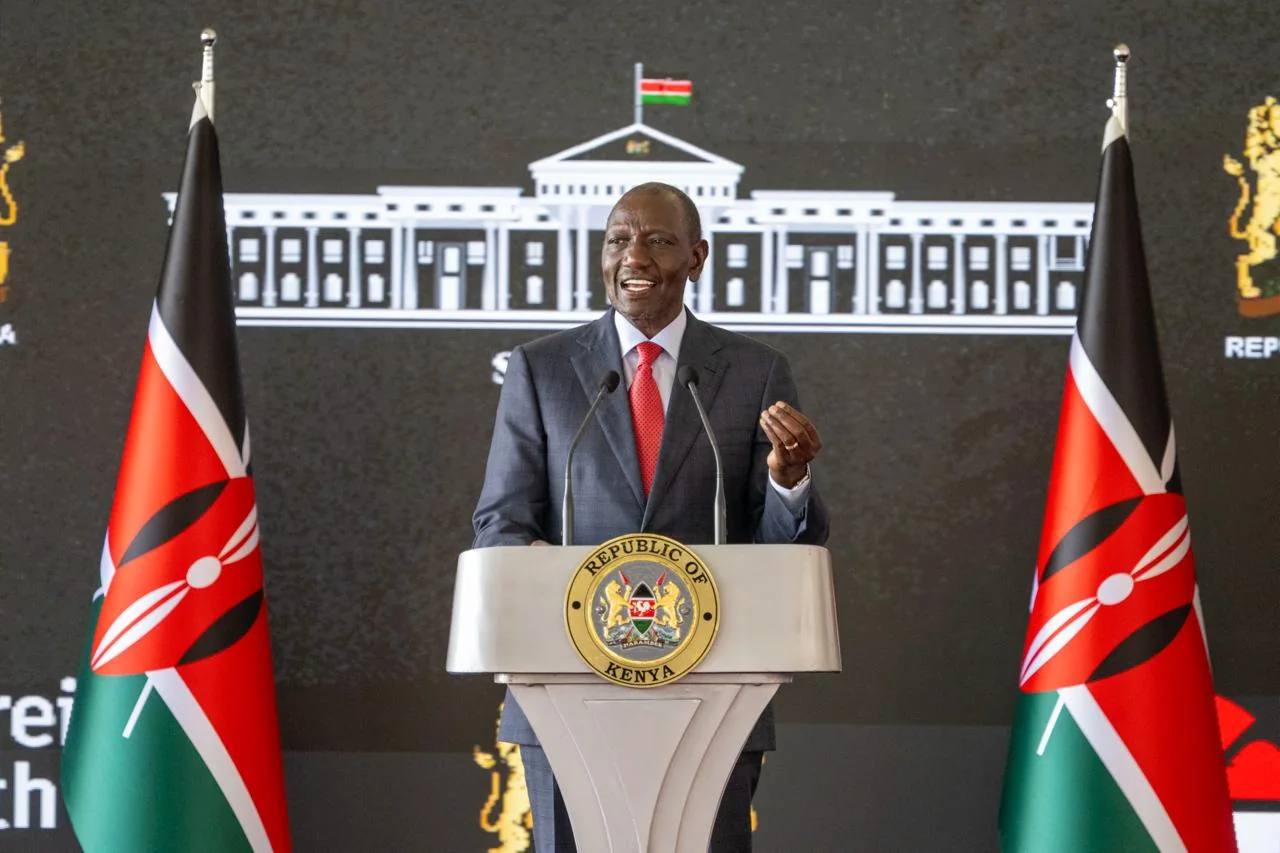
Oburu said he encouraged Ruto to occasionally exercise what he described as "benevolent dictatorship" by standing firm on policies that will strengthen the country's future.

According to Mentoria Economics Chief Economist Ken Gichinga, governments should focus on creating conditions that allow businesses to thrive rather than directly participating in commercial activities.
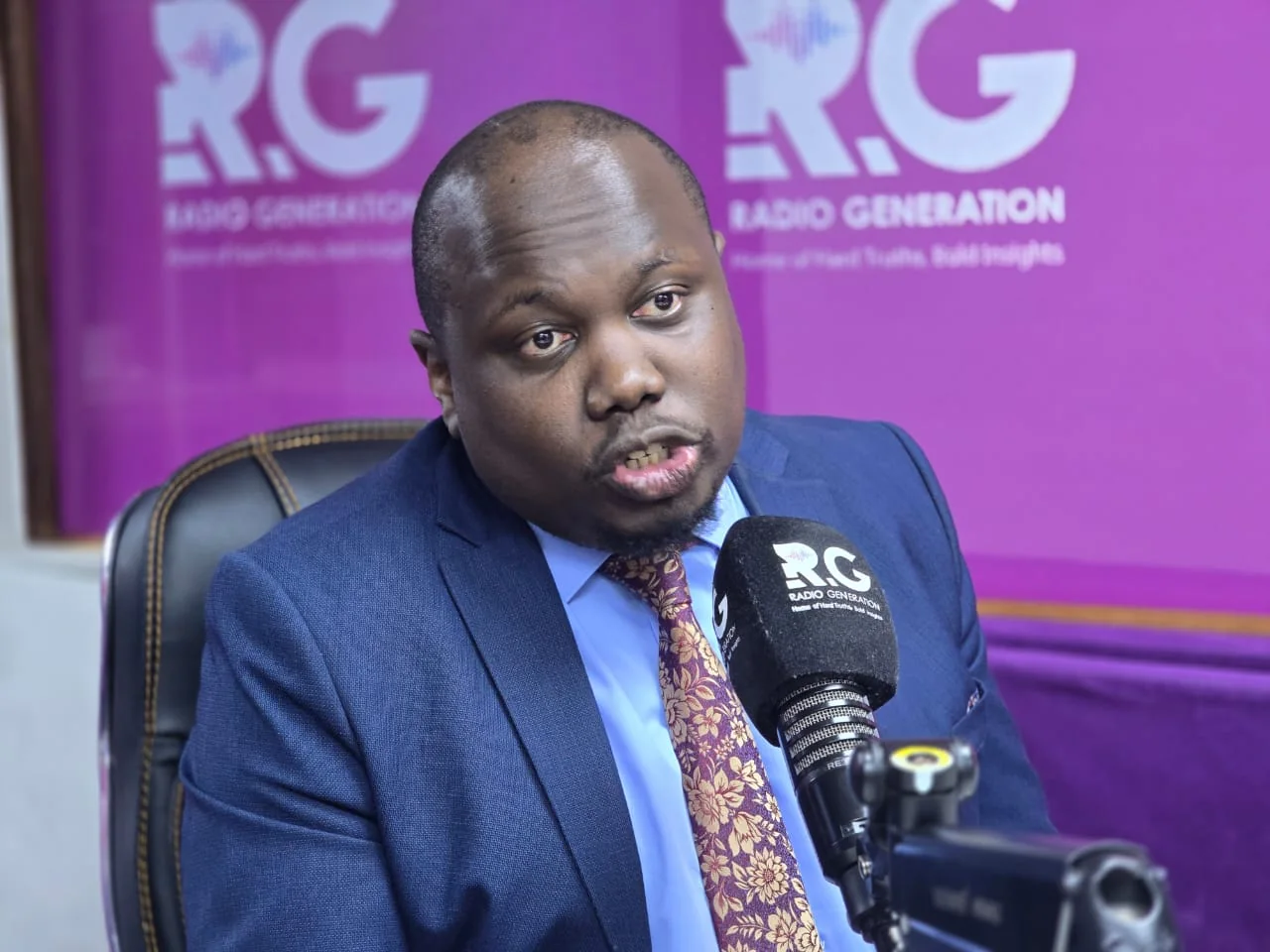
The economist warned that rising statutory deductions from workers' incomes, coupled with increasing production costs for businesses, are suppressing consumer spending and limiting economic activity
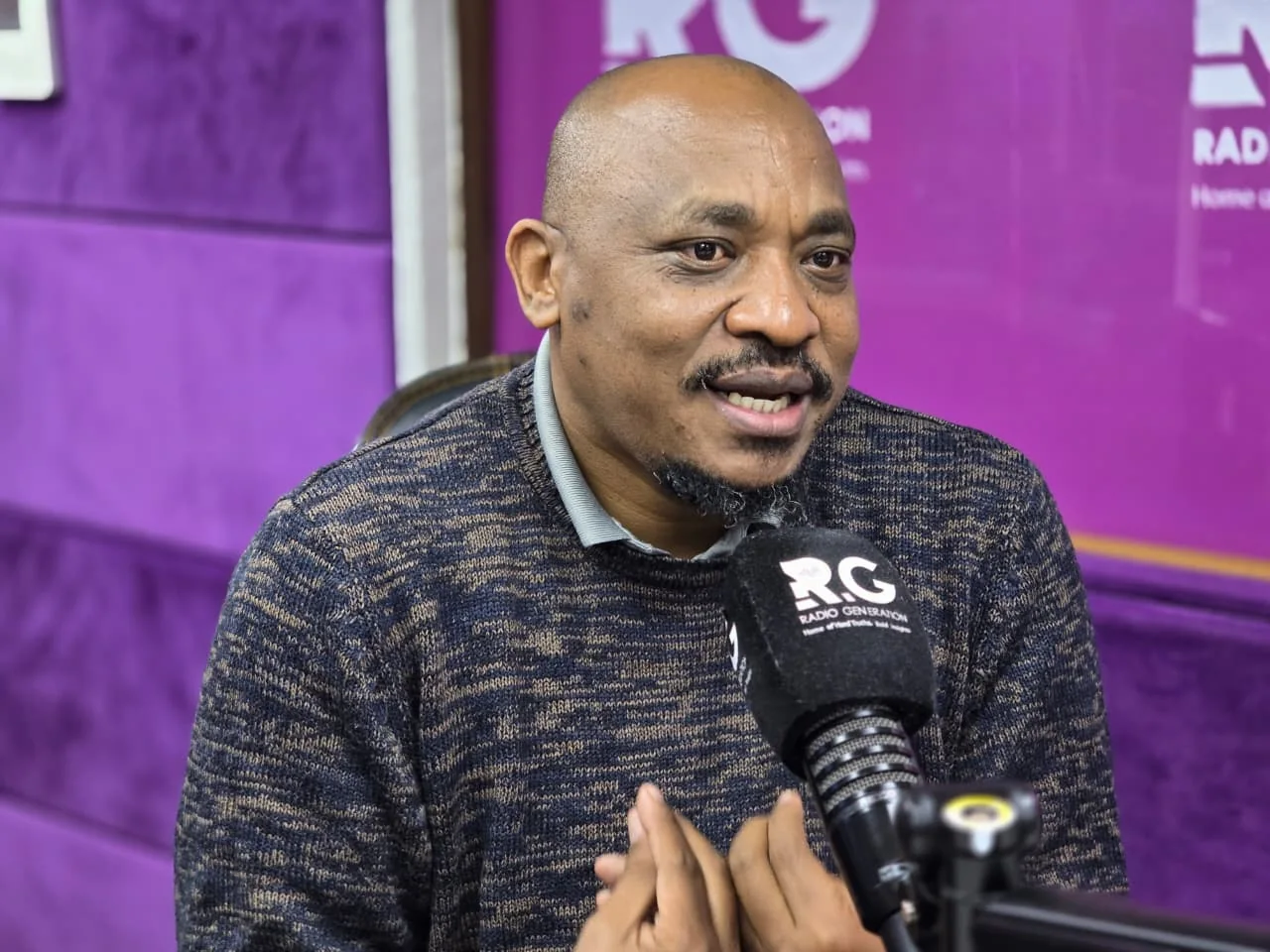
Mello argued that stronger protection for local industries would encourage production and reduce reliance on imports

Speaking during the presentation of the 2026/27 Budget Statement in the National Assembly on Thursday, Mbadi said the reform will eliminate manual procurement processes and close all exemptions, stating: “Beginning July 1, 2026 there will be no exemption to procure outside the system,” as the government pushes for greater transparency and accountability in public spending.
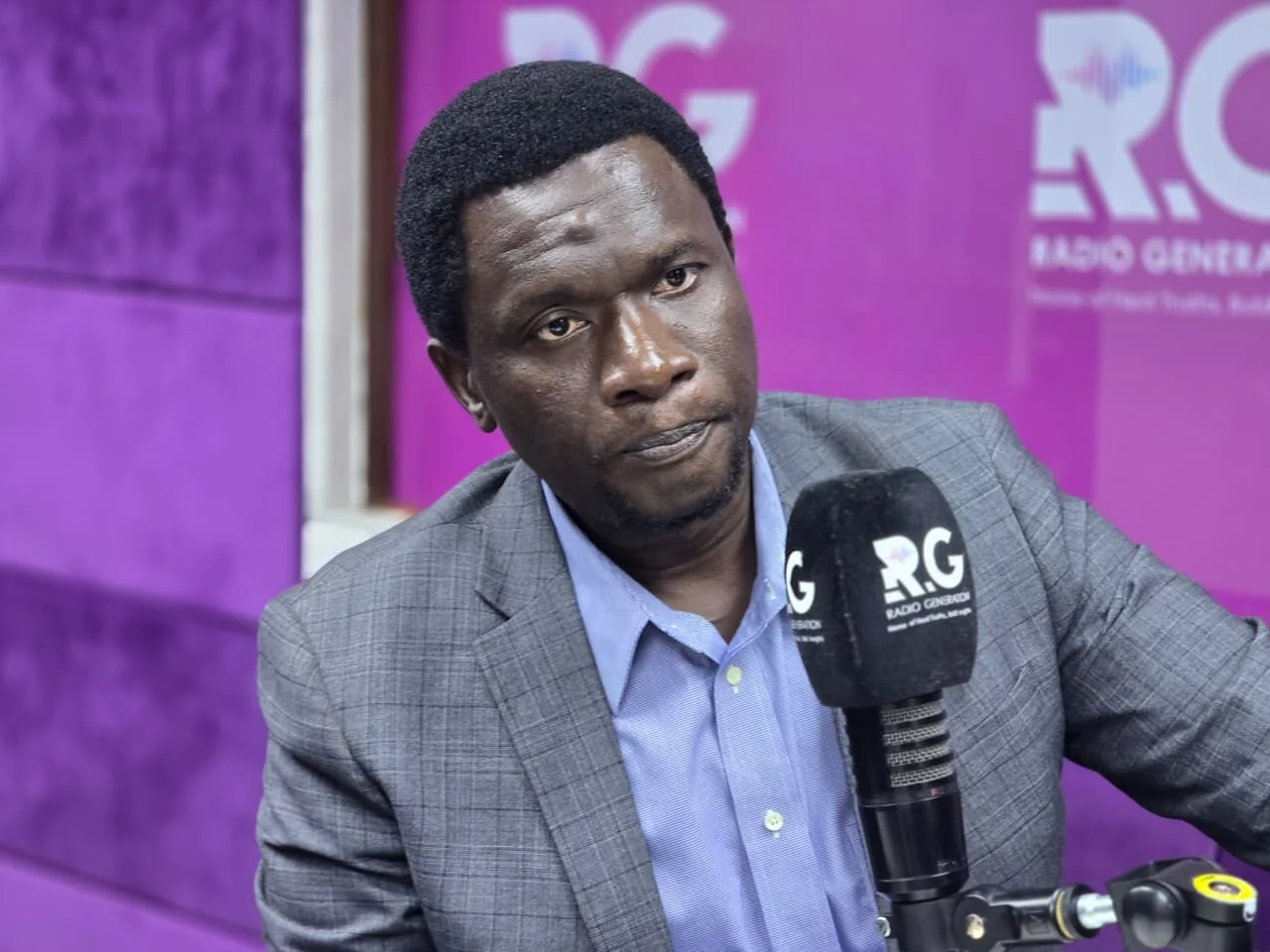
According to Ramogi, the conditions attached to borrowing agreements restrict governments’ ability to make independent economic choices. He argued that once countries take loans, they are effectively locked into a system that dictates key policy directions.
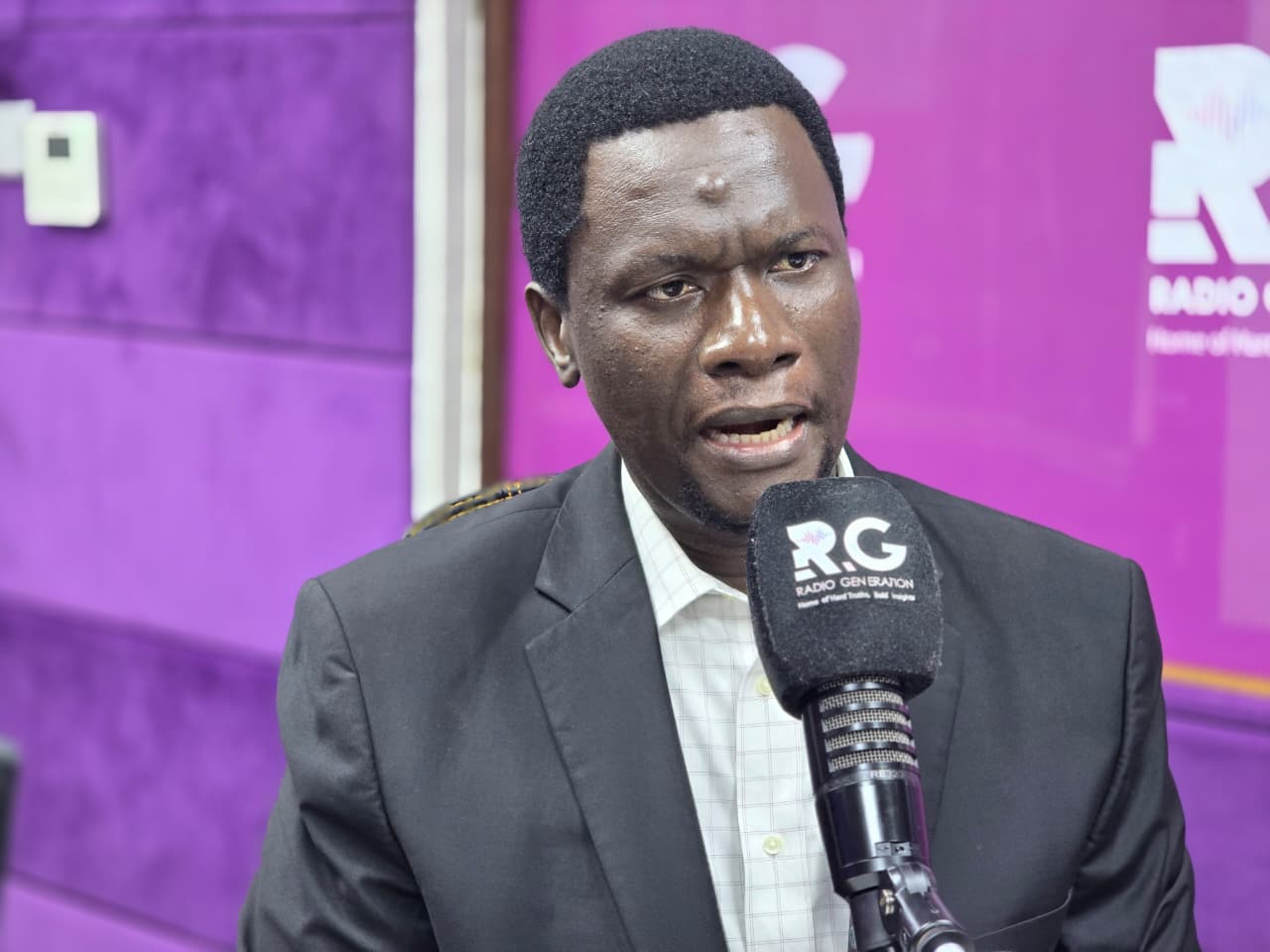
Data from the Energy and Petroleum Regulatory Authority (EPRA) shows that landed fuel costs have risen sharply in recent import cycles, with petrol increasing by over 40% and diesel by nearly 69%, feeding into higher retail prices.

Kenya’s chamber of commerce warns that rising fuel costs, driven by global shocks and domestic taxes, are raising inflation risks, transport fares and production costs, and urges urgent structural reforms.
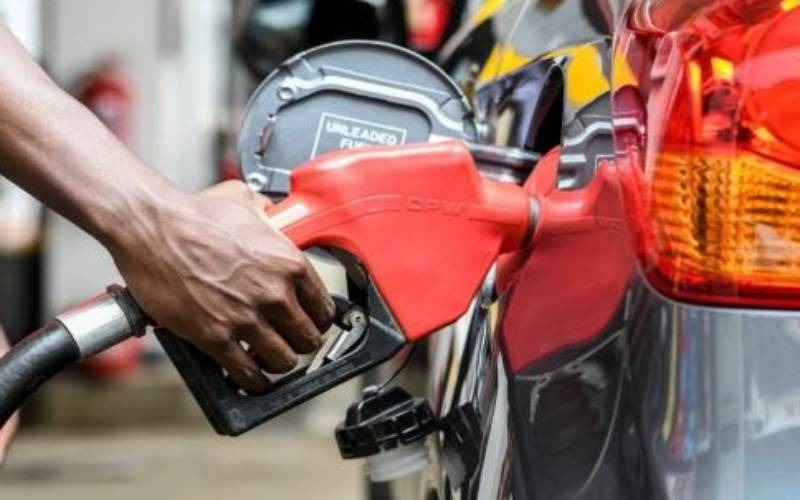
Northern Kenya continues to record the highest fuel prices. In Lodwar, super petrol is Sh213.93, diesel Sh213.72, and kerosene Sh159.90, driven by the cost of transporting fuel to remote and arid areas.
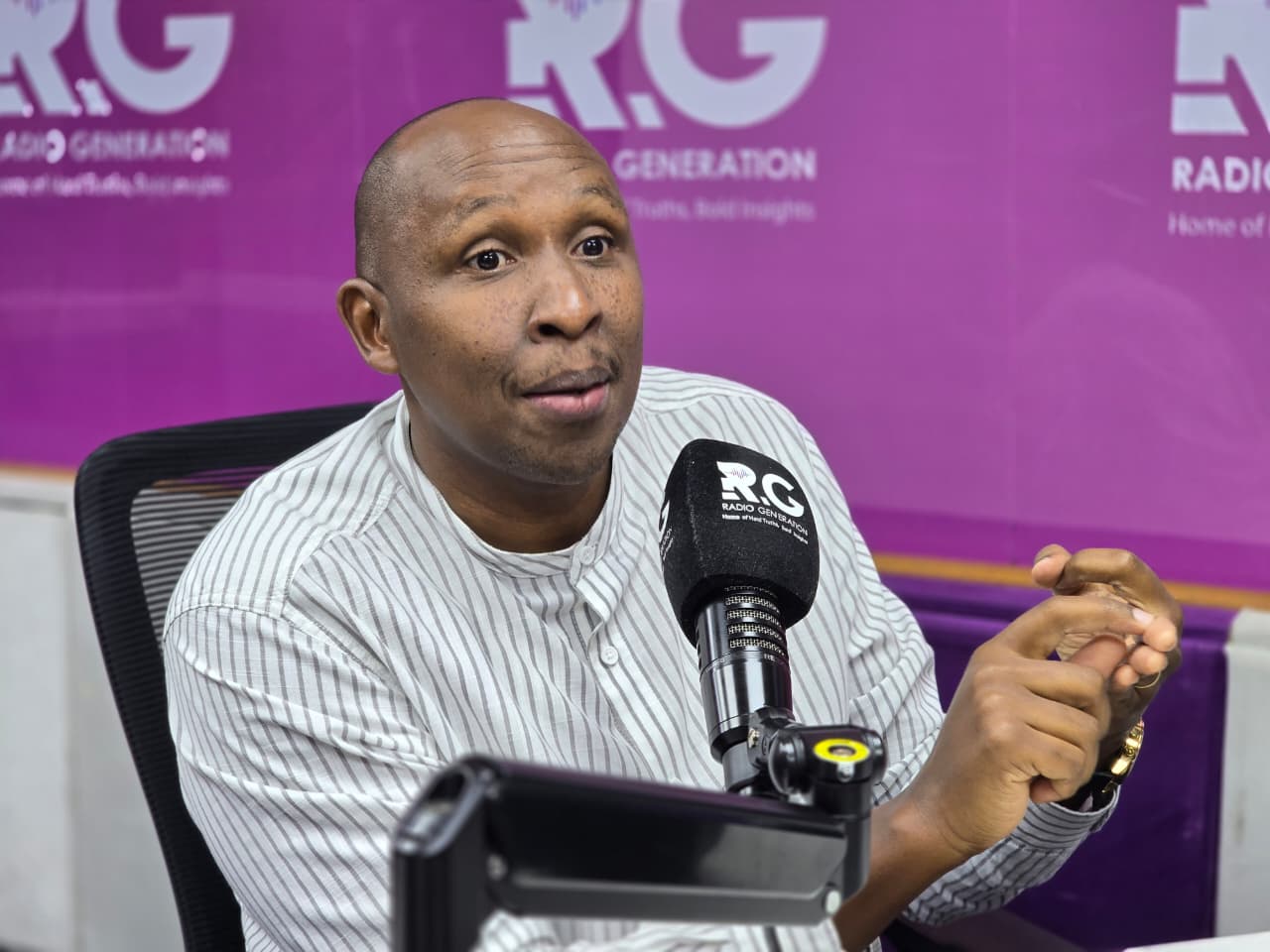
In a Radio Generation interview on Thursday, he emphasised the need for financial literacy, disciplined saving, and responsible borrowing, describing debt as a good servant, but a terrible master when misused.
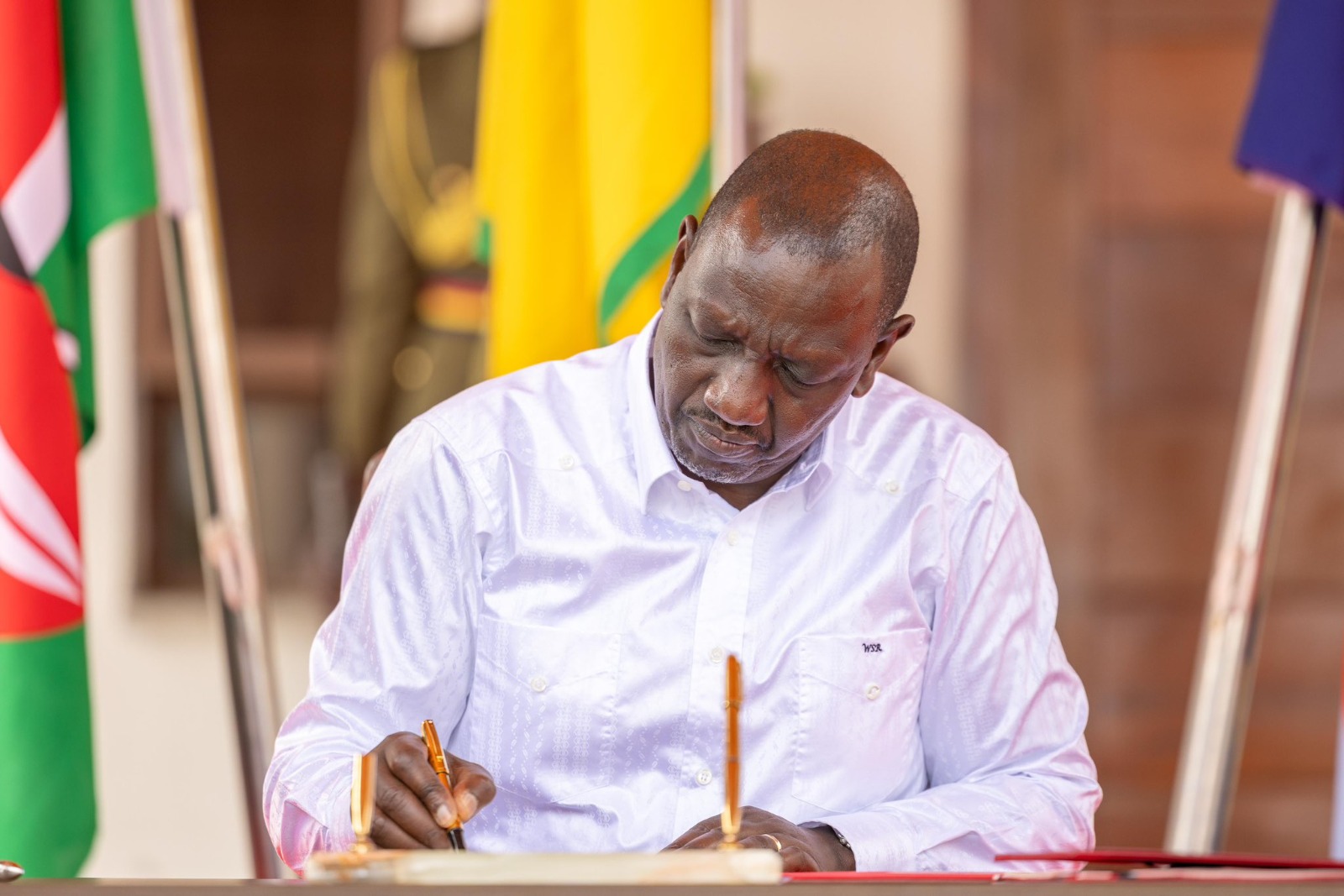
The council, chaired by Treasury Cabinet Secretary John Mbadi, includes top state officials and private sector leaders tasked with mobilising private capital and overseeing commercially viable infrastructure projects under the new law.
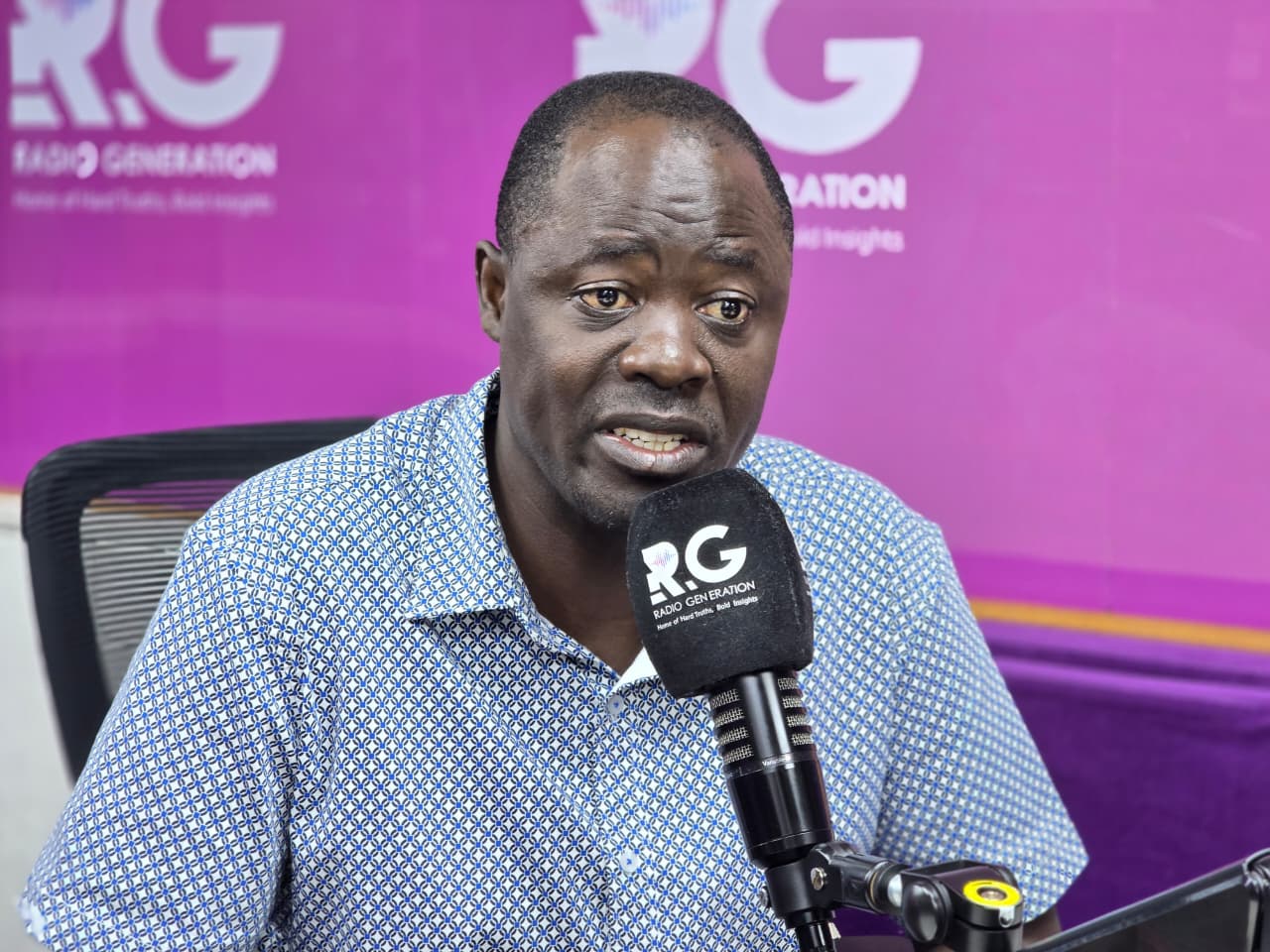
Speaking during a Radio Generation interview on Thursday, Kaluma warned that how both consumers and suppliers respond to perceived shortages could place unnecessary pressure on the fuel supply chain.

CEO, Kihara Maina said the bank is targeting higher loan growth, increased regional profit contribution and continued investment in wealth management and bancassurance businesses.
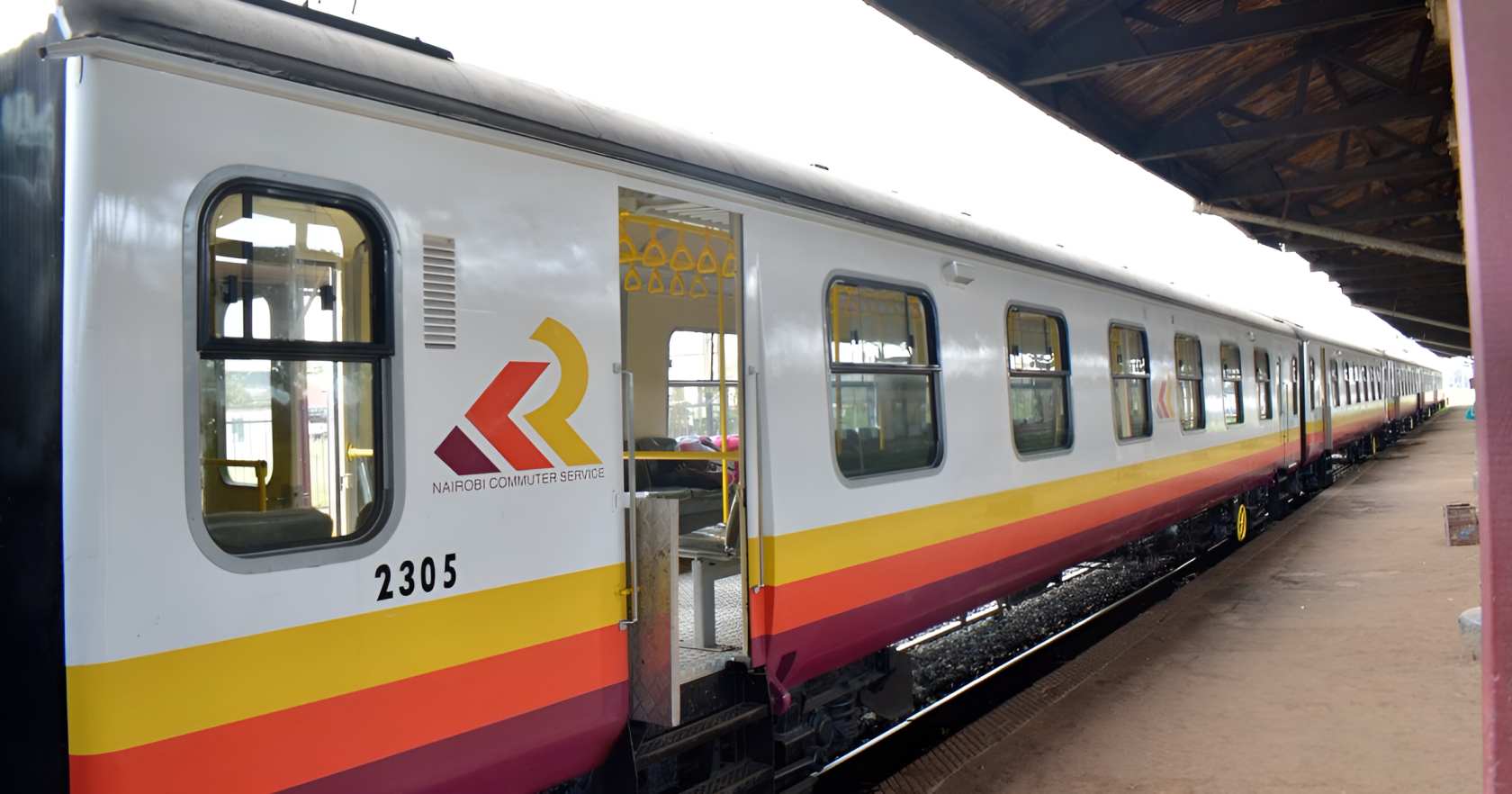
Total operating revenue grew 18.6% to Sh30.52 billion, yet the company’s net loss widened 1.7% to Sh28.17 billion amid rising loan interest and default penalties.
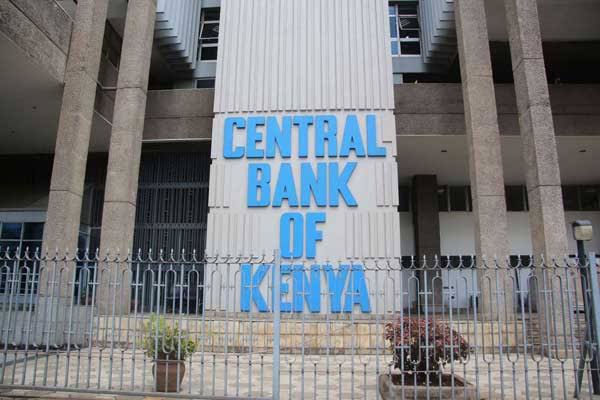
Economic performance between February and April 2026 is projected to improve, driven by rising private sector activity and recovery across key sectors under a stable macroeconomic environment.