
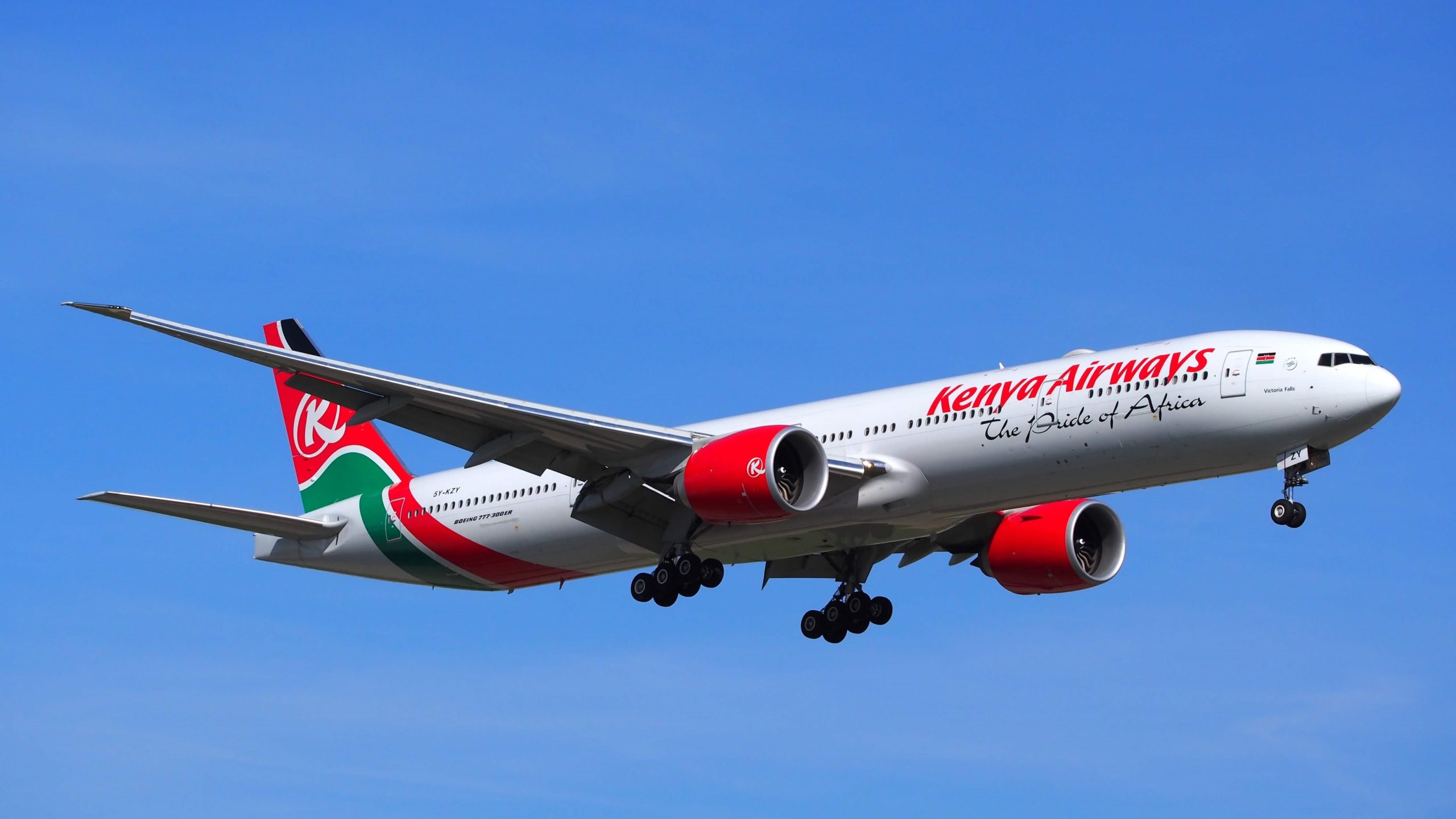
A steep rise in fuel prices and a shortage of available aircraft have pushed Kenya Airways deeper into the red, with the national carrier reporting a Sh16.1 billion loss for the period, up from Sh12.2 billion previously.
The latest results point to continued financial pressure at the airline, with higher expenses taking a toll despite improved fares, stronger revenue generation and signs of steady passenger demand.
Kenya Airways said the price of jet fuel climbed by 66 per cent during the period, with the increase largely linked to tensions in the Middle East.
The sharp movement in fuel prices had a direct impact on the carrier’s expenses, with its fuel bill rising by 32 per cent.
The airline was also forced to contend with limited aircraft availability as supply chain problems affected the delivery of important spare parts and other components.
Some parts took longer to arrive, while shortages of key aircraft components affected maintenance schedules and reduced the number of planes available for flights.
KQ chairman Kiprono Kittony said the combined effect of the challenges continued to affect the airline’s ability to protect its margins and improve the profitability of its network.
“Collectively, these factors exerted sustained pressure on margins and overall network profitability,” said KQ chairman Kiprono Kittony.
Overall operating expenses increased by 14 per cent, placing additional strain on the airline as it dealt with the higher cost of keeping its operations running.
Despite the increase in costs, Kenya Airways said its underlying business performance remained positive, pointing to strong demand and better revenue collection during the period.
The carrier recorded a nine per cent drop in passenger traffic, but this was accompanied by a four-percentage-point rise in its cabin factor.
The improvement meant the airline made better use of the seats available on its flights. Kenya Airways also reported stronger average fares, which helped support its revenue performance during the period.
The airline has meanwhile started rebuilding its available aircraft capacity after maintenance and supply problems kept several planes out of operation.
Kenya Airways Group Managing Director George Kamal said work was under way to restore capacity affected by the maintenance and supply chain difficulties.
A Boeing 787-8 Dreamliner returned to the fleet in mid-July 2026, adding capacity after being unavailable for operations.
A Boeing 777-300ER was also delivered and returned to service, with the airline saying both aircraft had received a positive response from the market.
The developments come as airlines continue to deal with difficulties in securing aircraft, engines and spare parts.
Global supply chain disruptions have also contributed to delays in aircraft deliveries and made it harder for carriers to quickly replace or return aircraft affected by maintenance problems.
For Kenya Airways, the latest results show the challenge of containing costs while rebuilding aircraft capacity and maintaining revenue growth amid continued pressure across the aviation industry.