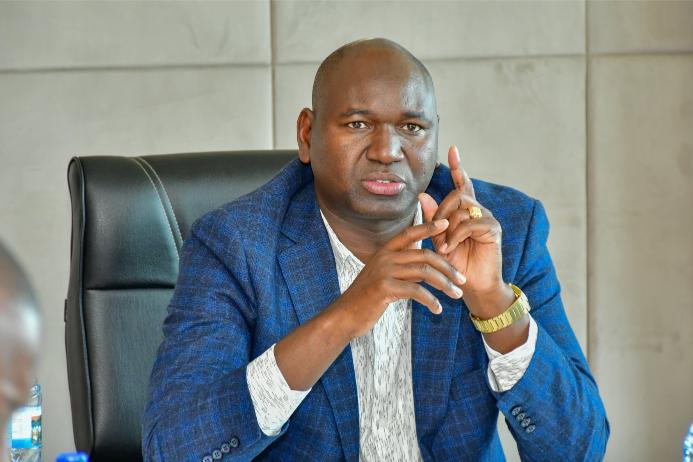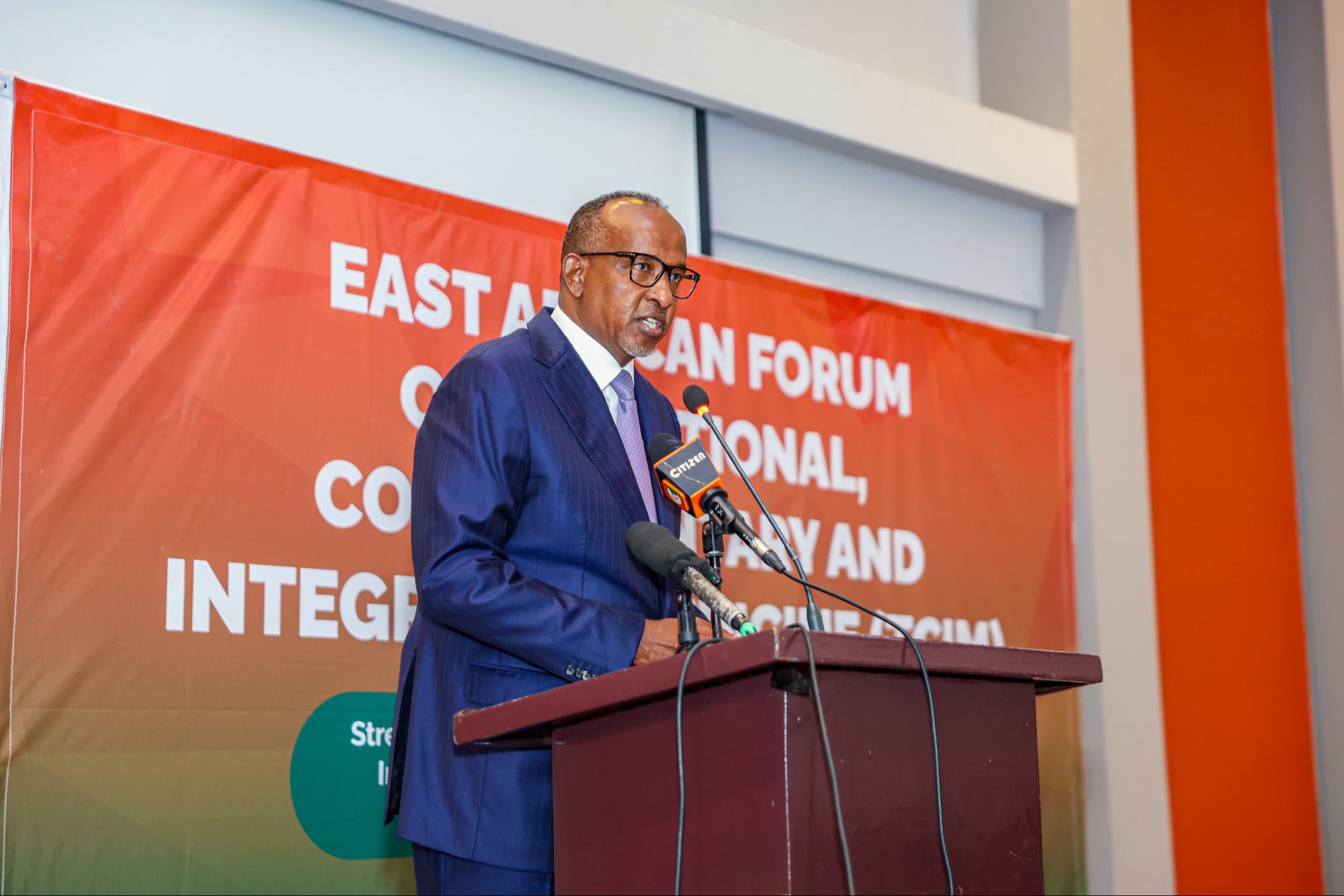
Health Cabinet Secretary Aden Duale has urged East African countries to integrate traditional, complementary, and integrative medicine (TCIM) into national health systems in a safe and evidence-based way.
He made the remarks while opening the East African Forum on Traditional, Complementary and Integrative Medicine, a meeting designed to enhance regulation, research, and regional cooperation across the East African Community (EAC).
Addressing policymakers, researchers, and practitioners from across the region on Tuesday, Duale emphasized the critical role TCIM plays in strengthening health systems. He noted that millions of East Africans continue to rely on traditional medicine for their everyday healthcare needs.
“We must embrace innovative health system models that draw upon all safe, evidence-based forms of care,” he stated. He added that inclusive, people-centred models are necessary to address emerging infectious diseases and the growing burden of non-communicable illnesses in the region.
Duale commended EAC partner states for developing policies, legal frameworks, and strategies that guide safe and effective TCIM practice. He said regional cooperation is essential to close regulatory gaps, accelerate progress, and harmonize standards across borders.
Highlighting Kenya’s national initiatives, the Cabinet Secretary cited efforts to incorporate traditional medicine into health priorities through policy development and structured research frameworks. He mentioned the creation of a practitioners’ handbook aimed at standardizing practices and ensuring consistency across the sector.
He stressed that a coordinated approach involving multiple institutions, including the Pharmacy and Poisons Board, Kenya Medical Research Institute, Kenya Medical Practitioners and Dentists Council, and the State Department for Culture and Heritage, is essential to safeguard public health while integrating TCIM responsibly.
Linking the initiatives to global health agendas, Duale pointed out alignment with the World Health Organization’s Traditional Medicine Strategy 2025–2034 and reaffirmed Kenya’s readiness to harmonize regional priorities within the EAC framework.
The Cabinet Secretary called on forum delegates to ensure the meeting delivers actionable results that strengthen regulatory systems, build institutional capacity, and improve regional coordination. He emphasized Kenya’s commitment to integrating TCIM in ways that protect patients and preserve cultural heritage.
The forum also included contributions from senior health officials and international representatives, including Principal Secretary for Medical Services Ouma Oluga, WHO Representative to Kenya Neema Kimambo, Pradeep Kumar from the WHO Global Traditional Medicine Centre, and Tido Schoen-Angerer of the TCIH Coalition.
Discussions at the forum are expected to shape regional strategies on how traditional medicine can complement conventional healthcare while maintaining strict safety, research, and accountability standards. Duale’s address highlighted the need to balance long-standing cultural practices with modern health systems without compromising scientific standards or patient safety.
The outcomes of the forum are anticipated to strengthen regional coordination and provide clearer regulatory pathways for traditional and complementary medicine across East Africa.