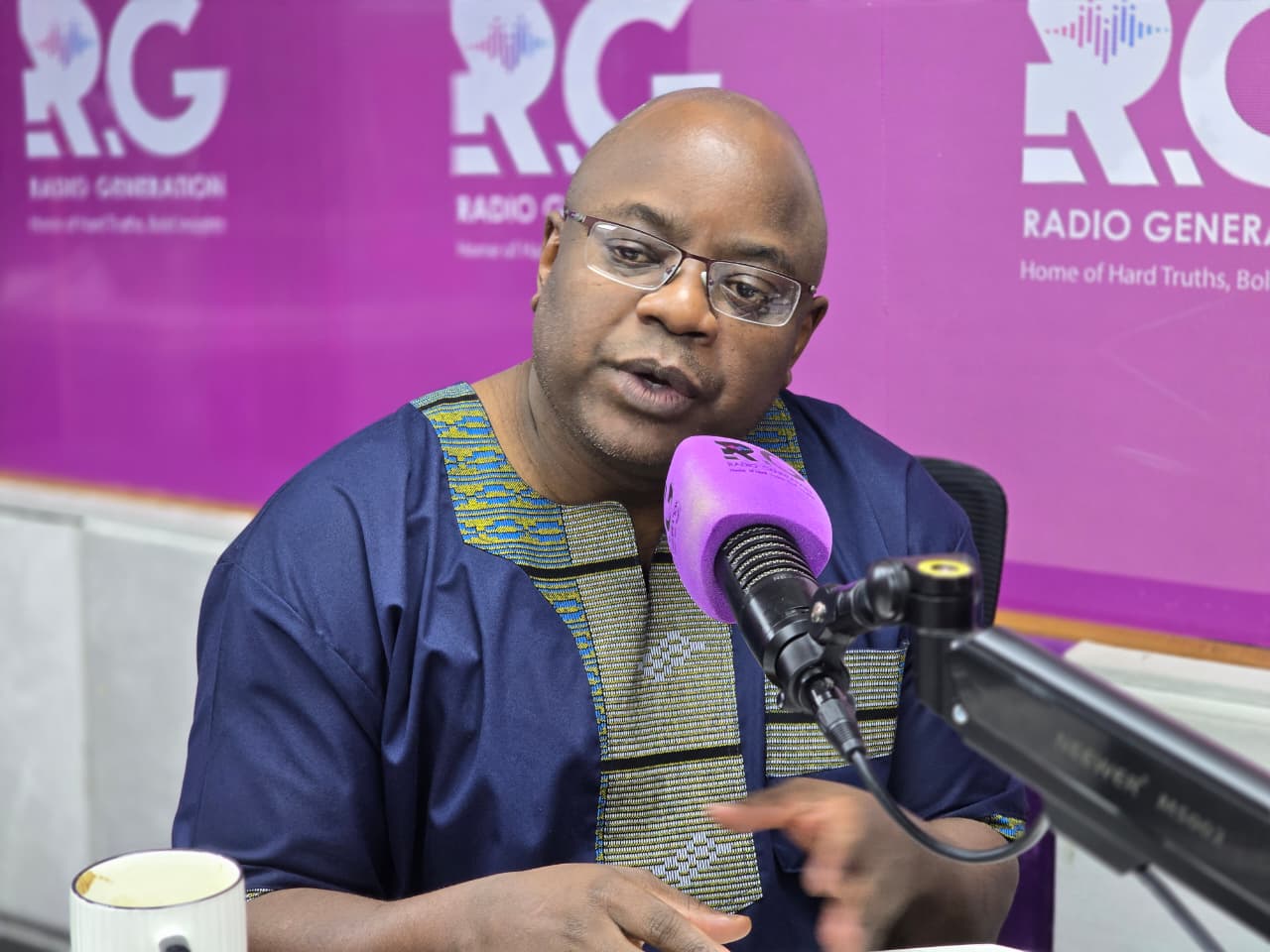
Political analyst Dismas Mokua has urged President Samia Suluhu Hassan to prioritize internal party reforms, strengthen constitutional and electoral frameworks, and introduce public funding for political parties to boost Tanzania’s multiparty system.
In an interview with Radio Generation, Mokua highlighted the overwhelming dominance of the ruling party, Chama Cha Mapinduzi (CCM), which he said holds immense financial and political influence across the country, leaving opposition parties struggling to compete.
“CCM is very rich as a political party financially. They’ve got resources all over Tanzania, in every single village,” Mokua said on Wednesday.
“The leadership of CCM is acknowledged at every function. Whenever the President is attending a function, they’ll introduce the CCM leadership at the district and provincial levels, who have a very close connection with the security agencies.”
He described the party’s reach as so extensive that “you’d rather be the leader of CCM than become an MP because CCM gives you a lot of power.”
Mokua warned that this concentration of power could stifle political diversity in Tanzania. “Other political parties are not as strong and cannot compete with CCM,” he said.
“They face challenges with strategic planning, they cannot raise resources, and the opposition parties within Tanzania don’t have strong opposition leaders.”
To strengthen democracy, he called on President Samia to create an environment that encourages dialogue and competition within CCM. “She should create an environment for internal party democracy within CCM,” Mokua said.
“Allow every member of CCM to come up with their views, budgetary or otherwise, to make the party strong and inclusive so that everyone feels their voice is heard.”
Mokua also proposed reforms to Tanzania’s constitutional and electoral systems, emphasizing the importance of legal avenues for contesting election results. “After the INEC declares a winner, you cannot challenge that declaration in court,” he explained.
“Even if petitions may not change the outcome, they’re part of the healing process. People need to feel they’ve been heard.”
He further suggested that the government consider public funding for political parties, similar to Kenya’s model, to ensure fairer competition. “There’s merit, especially in the case of Tanzania, for taxpayers to support political parties so that there’s a divergence of opinion,” Mokua said.
The analyst added that President Samia’s leadership presents a unique chance to strengthen Tanzania’s democratic culture. “She has a unique opportunity to midwife Tanzania to the next level” by fostering inclusivity and accountability, he noted.
President Samia was declared the winner of the October 29 presidential election with 98% of the vote, securing a five-year term amid unrest in parts of the country. She described the election as “free and democratic” and dismissed critics as “unpatriotic.”
Opposition parties rejected the results, accusing the government of undermining democracy. Key opposition leader Tundu Lissu was barred from contesting while imprisoned, prompting the opposition to label the vote a “mockery of democracy.”































Comments
Sign in with Google to comment, reply, and like comments.
Continue with Google