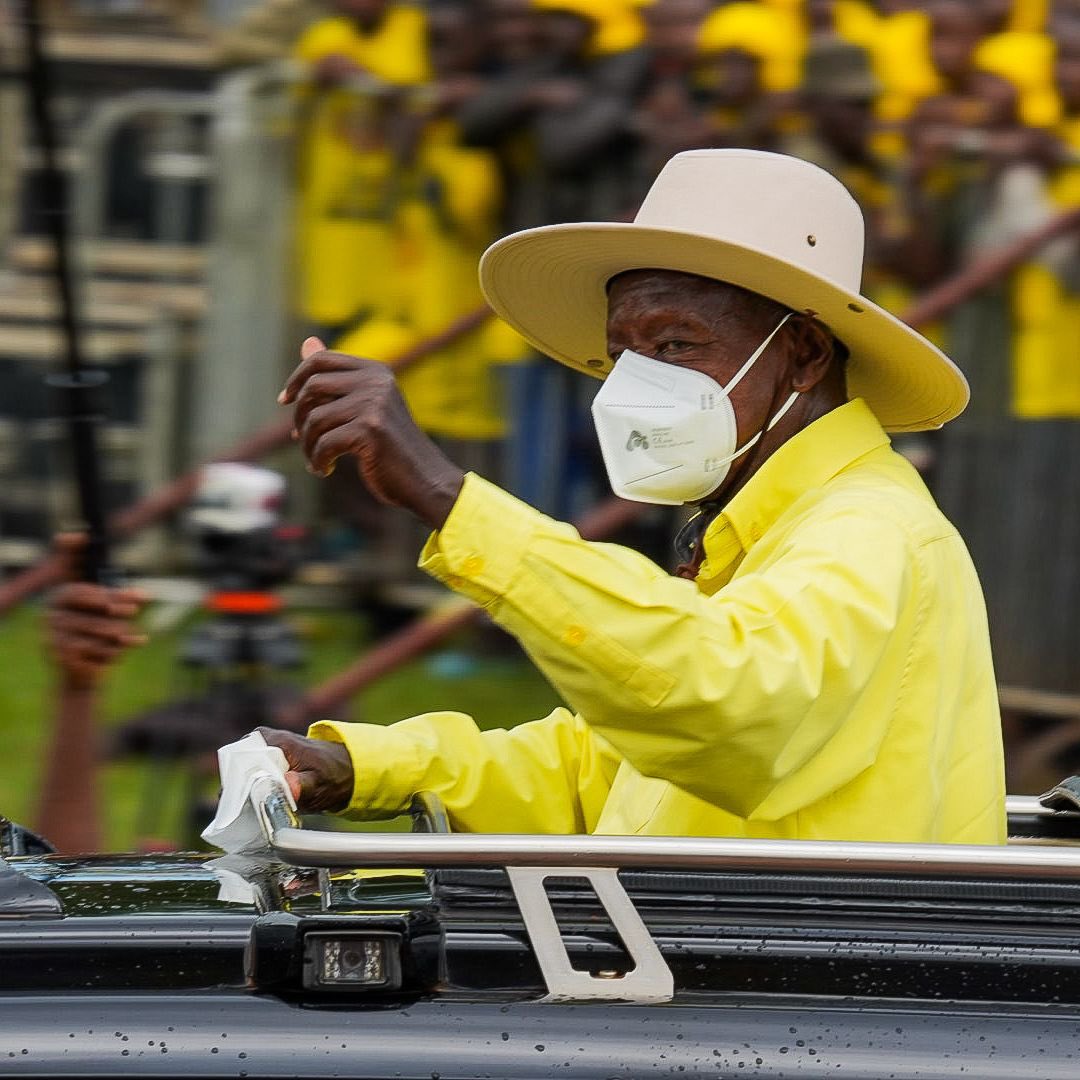
Uganda’s long-serving leader Yoweri Kaguta Museveni has been declared the winner of the January 15, 2026 presidential election, securing a seventh term in office and extending a political reign that has shaped the country for four decades.
Provisional results released by the Electoral Commission on Saturday show Museveni and his National Resistance Movement maintaining a clear lead over rival candidates.
While final certified figures are yet to be issued, opposition leaders have already questioned the credibility of the process, citing concerns over the conduct of the campaign and voting environment.
Civil society groups and international observers continue to monitor developments as the country awaits confirmation of the outcome.
Museveni’s victory reinforces his grip on Uganda’s political landscape, where he has remained the central figure since taking power in 1986.
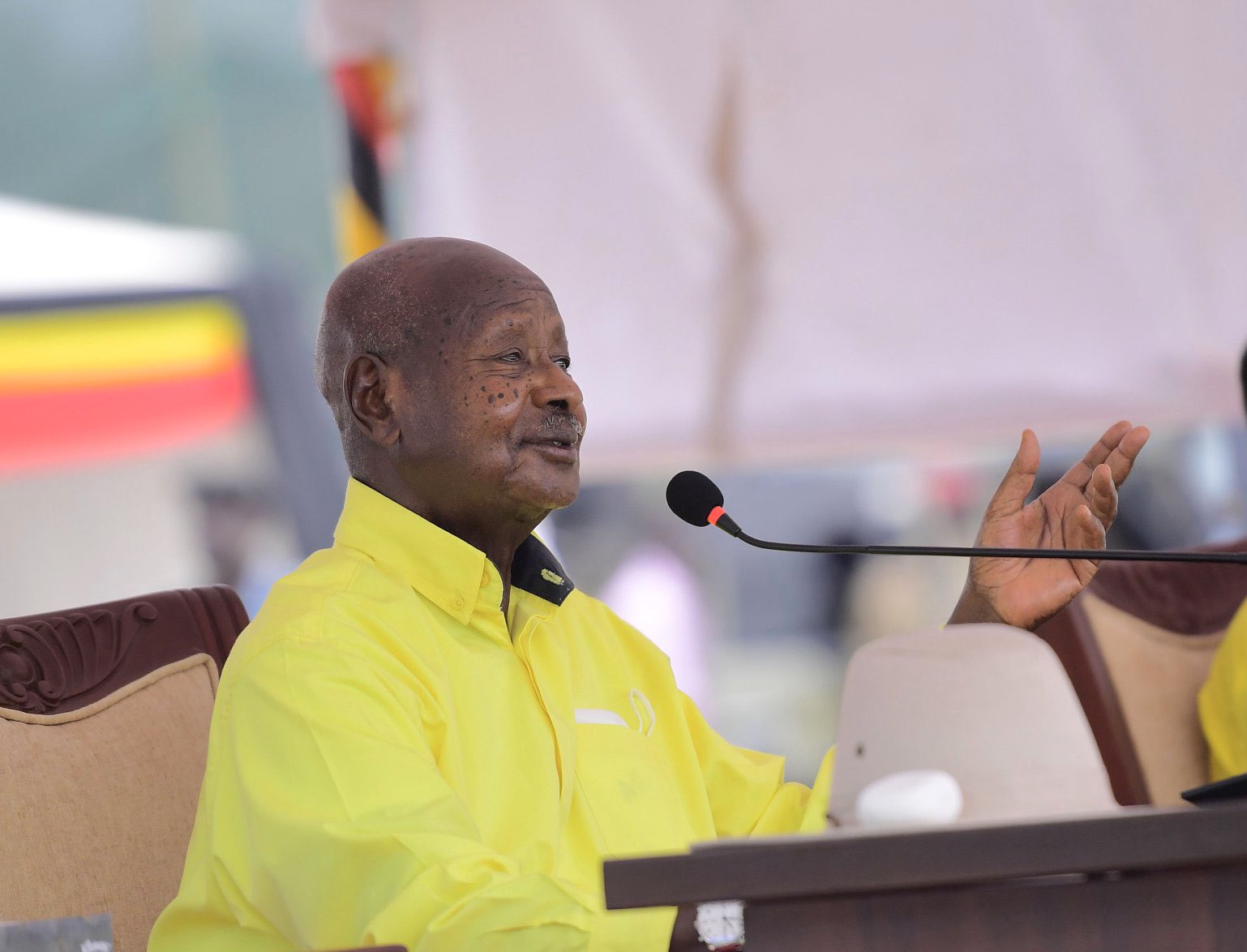 Uganda's President Yoweri Kaguta Museveni during his nomination on September 23, 2025. PHOTO/PPU
His leadership journey began years earlier as commander of the National Resistance Army, which fought a prolonged guerrilla war against the government of Milton Obote and the regime that followed.
The conflict ended in January 1986 when Museveni captured power, bringing a close to a period marked by instability and violence.
In his early years as president, Museveni focused on restoring security, reviving the economy and dealing with armed rebellions, especially in northern Uganda.
His administration later oversaw the adoption of the 1995 Constitution, which introduced multiparty politics and placed limits on presidential tenure and age.
That constitutional order, however, evolved over time. Museveni first faced voters under the new framework in 1996, winning a competitive election with about 74 percent of the vote against Democratic Party candidate Paul Kawanga Ssemogerere.
The poll was widely viewed as an important test of Uganda’s return to constitutional governance after years of conflict.
Museveni secured a second term in 2001 with roughly 69 percent of the vote, defeating Kizza Besigye.
At the time, the constitution limited presidents to two terms. That safeguard was removed in 2005 when Parliament voted to abolish term limits, a move defended by the ruling party as necessary for stability but criticised by opponents as a setback for democratic accountability.
With term limits gone, Museveni went on to win elections in 2006, 2011 and 2016, each time defeating Besigye and other challengers. Another major change followed in 2017, when Parliament amended the constitution to remove the presidential age limit of 75 years.
The amendment cleared the way for Museveni, then in his seventies, to remain eligible for office and was passed after intense debate and public opposition.
The 2021 election marked one of the toughest moments of his rule. Museveni faced Robert Kyagulanyi Ssentamu, popularly known as Bobi Wine, a musician-turned-politician who mobilised large numbers of young voters. Museveni was declared the winner with about 58 percent of the vote, while Bobi Wine received around 35 percent.
The election was followed by widespread claims of fraud, intimidation and restrictions on civil liberties, allegations the government rejected.
The 2026 election unfolded in an even more tense atmosphere. In the days before voting, authorities enforced a nationwide internet shutdown, while several rights organisations faced suspension and restrictions.
International and local groups, including the United Nations, reported cases of repression and arbitrary arrests during the campaign period.
Despite these conditions, the ruling NRM relied on its strong party structure and support in rural areas to drive Museveni’s campaign. Opposition figures, including Bobi Wine, criticised both the campaign environment and the electoral process, raising questions about fairness and transparency.
Museveni defended the internet blackout, arguing it was a security measure rather than an attempt to silence critics or young voters. Speaking to Sky News in Kampala, he rejected claims that the shutdown targeted dissent.
“We are the ones who built it,” he said, referring to the internet, adding that the move was aimed at stopping criminal activity online.
“It is temporary, short-term, but like any road closure, it is to prevent chaos,” he added.
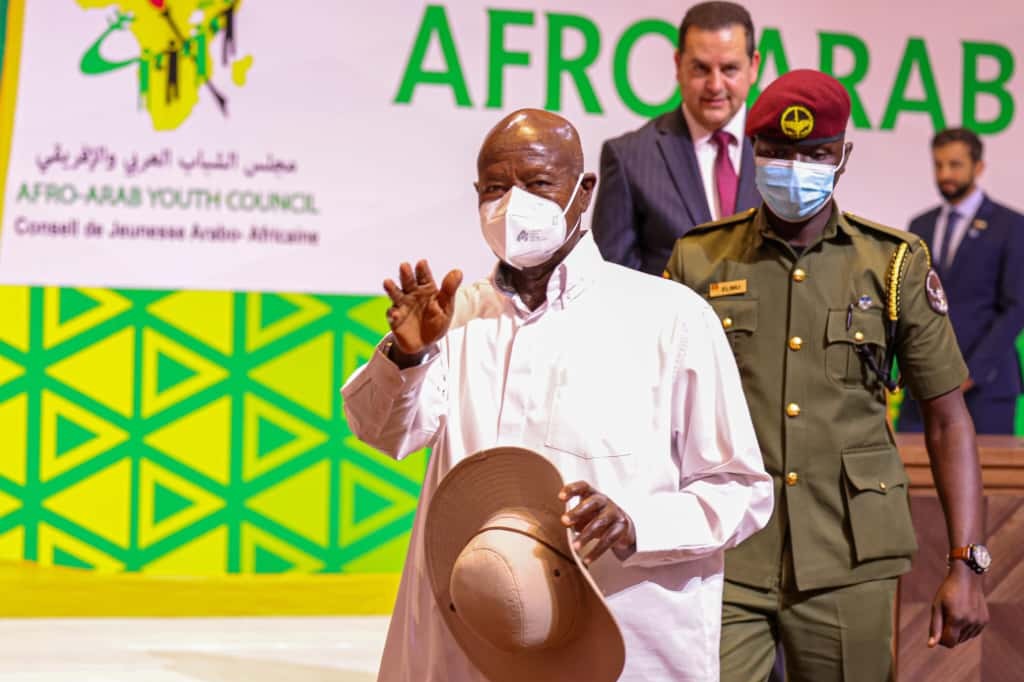 Uganda President Yoweri Museveni arrives for the Afro-Arab Youth Congress in Kampala, Uganda, October 10, 2025.PHOTO/DPCS
Museveni’s extended stay in power has largely been made possible by the constitutional amendments that removed both term and age limits. Critics argue these changes weakened institutions meant to restrain executive authority and protect democratic competition.
Supporters, however, credit Museveni with maintaining stability after years of conflict and point to gains in infrastructure, health, security and economic growth.
Those opposed to his rule say these achievements have come at the cost of political freedoms and shrinking civic space.
If the 2026 results are confirmed, Museveni will have governed Uganda for more than 40 years, placing him among the world’s longest-serving leaders. His leadership continues to influence regional security and economic cooperation, where Uganda plays an active role.
At the same time, the latest election has renewed debate about political reform, leadership transition and the future of democracy in Uganda. For many younger citizens who have never known another president, questions about succession and peaceful transfer of power remain central as Museveni prepares for another term in office.































Comments
Sign in with Google to comment, reply, and like comments.
Continue with Google