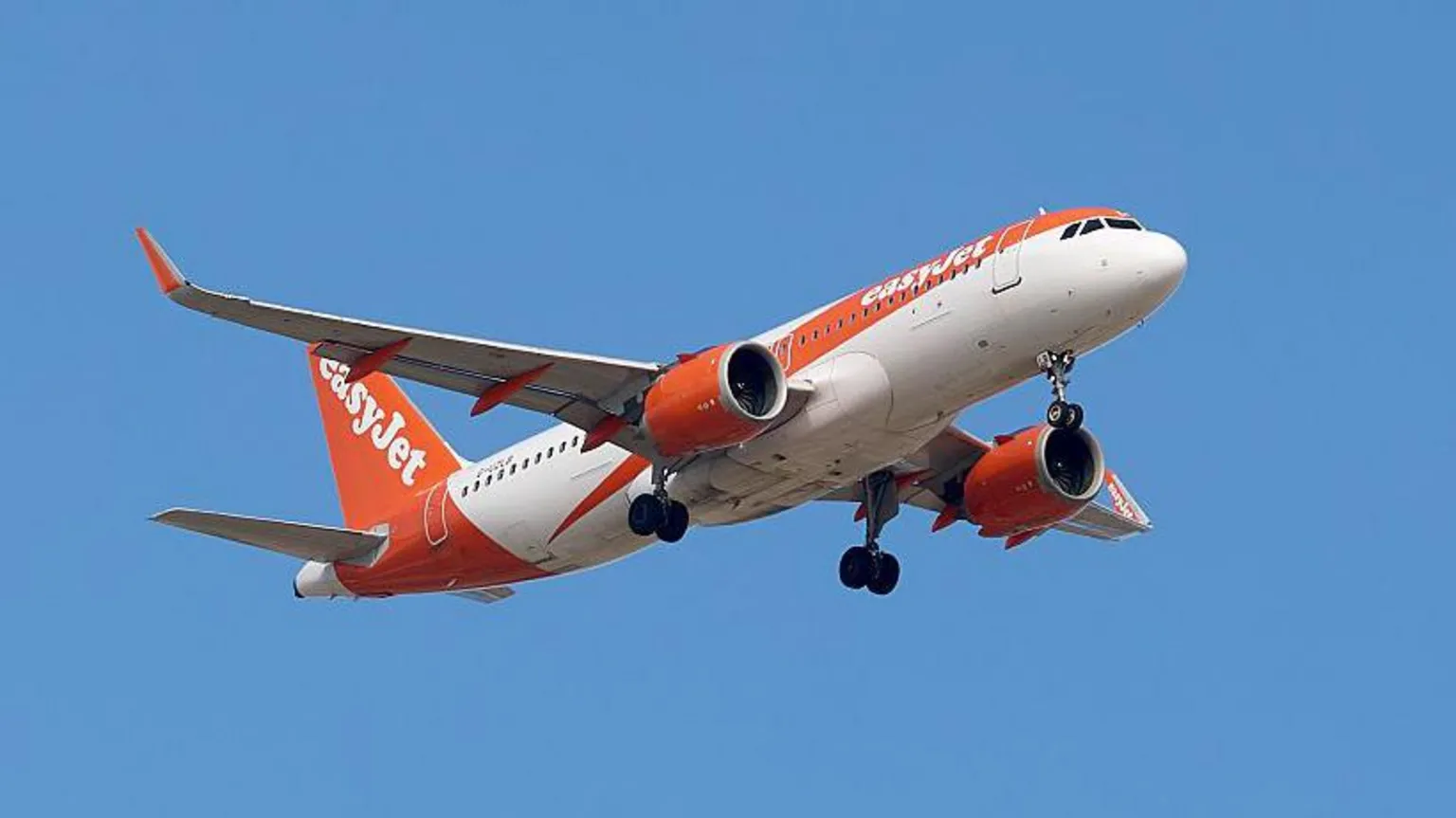
Airbus has temporarily grounded a large number of its aircraft after identifying that extreme solar radiation could interfere with onboard flight control computers, creating potential safety hazards and widespread travel delays.
Around 6,000 planes from the A320 family are affected, which represents about half of the manufacturer’s global fleet. Most aircraft are expected to resume flying once a simple software update is applied.
The UK aviation authority warned there may be “some disruption and cancellations to flights,” but airport operations have so far reported only limited effects.
The problem was discovered following an investigation into an October flight between the US and Mexico, where a JetBlue Airways plane unexpectedly lost altitude, forcing an emergency landing in Florida. At least 15 passengers were injured during the incident.
The issue impacts several Airbus models, including the A318, A319, A320, and A321. Of these, approximately 5,100 planes can be corrected with a relatively straightforward software update that typically takes three hours.
However, 900 older aircraft will require full replacement of their flight computers before they are allowed to carry passengers again. The duration of this process depends on the availability of replacement systems.
Airbus has acknowledged the disruption and apologized, stating the situation will cause “operational disruption to passengers and customers.”
Aviation expert Sally Gethin described the event as “very much out of the ordinary” and noted that the degree of disruption will vary depending on each airline’s approach. She explained, “I understand that Lufthansa is saying it may take its aircraft out of service to do this, in other cases airlines are saying that it shouldn't have much of an impact at all.”
UK airports have seen minimal disruption, with Gatwick reporting “some disruption” while Heathrow has experienced no cancellations. Airlines’ responses differ: British Airways appears largely unaffected, while Wizz Air and Air India have begun updating their aircraft.
EasyJet said it “expects some disruption” but added it has “already completed the software update on many aircraft” and plans to return to full operations by Saturday.
In the US, the software issue coincided with the Thanksgiving holiday, a peak travel period.
American Airlines said 340 of its planes are affected and expected “some operational delays,” with most updates completed by Friday or Saturday. Delta Airlines described the impact as “limited.” In Australia, Jetstar canceled 90 flights after confirming that about a third of its fleet was impacted.
Tim Johnson, policy director at the UK Civil Aviation Authority, called the grounding “a very rare event” and warned that there could be “some disruption, some delays or cancellations over the coming days.”
Transport Secretary Heidi Alexander emphasized, “It is heartening this issue has been identified and will be addressed so swiftly, demonstrating the high aviation safety standards globally.”
The problem involves a software program that calculates an aircraft’s altitude. At high altitudes, intense solar radiation can disrupt the data. The October incident remains the only case of an unexpected altitude drop.
The European Union Aviation Safety Agency has issued an emergency directive requiring all affected planes to be corrected before carrying passengers. Aircraft can still fly without passengers to maintenance facilities.
The A320 family relies on a “fly by wire” system, meaning pilot inputs are electronically processed rather than mechanically linked to the controls.































Comments
Sign in with Google to comment, reply, and like comments.
Continue with Google