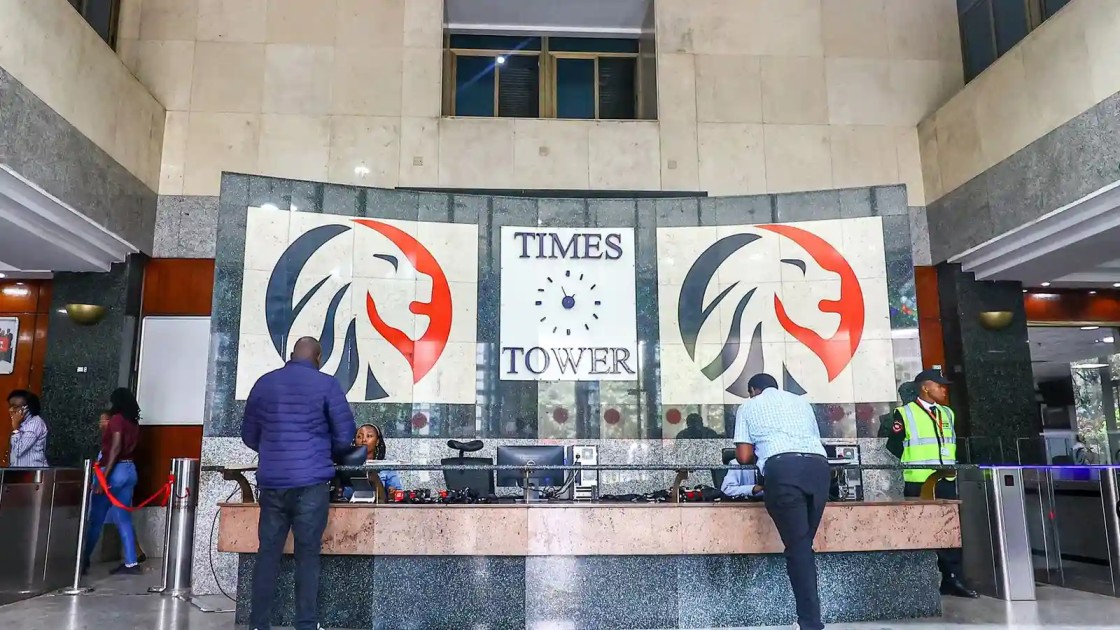
The Kenya Revenue Authority has issued a strict warning to fuel retailers yet to adopt the electronic tax invoicing system, setting December 31, 2025, as the final deadline for compliance.
The eTIMS system, which began rolling out earlier this year, connects each sale directly to KRA in real time, ensuring accurate reporting and reducing opportunities for revenue loss.
KRA noted that the initial implementation deadline of June 30, 2025, has now passed, and fuel station operators must act quickly to avoid legal consequences.
“Retailers who fail to comply by 31st December, 2025, will face enforcement measures as provided for under the law. KRA remains committed to supporting and facilitating all fuel retailers in meeting these requirements. We also extend our appreciation to the outlets that have already complied with the electronic tax invoicing mandate,” the authority stated.
Designed specifically for the fuel industry, eTIMS integrates seamlessly with forecourt controllers and existing point-of-sale systems, allowing every transaction to be invoiced instantly. The system’s real-time capabilities aim to simplify tax collection while ensuring transparency and accountability for both retailers and government authorities.
The initiative was first launched in 2024, with gradual implementation beginning this year. On June 2, 2025, Digitax CEO Caine Wanjau emphasized the system’s importance.
“By integrating directly with point-of-sale systems and pump controllers, it ensures that every litre sold, every shilling transacted, and every tax obligation is transparently recorded,” Wanjau said.
He added, “This is not about punitive oversight. It is about bringing structure and integrity to a high-volume industry that, for too long, has relied on fragmented systems and manual reconciliations.”
KRA, established in 1995 under Chapter 469 of the Laws of Kenya, oversees revenue collection for the government.
With the eTIMS system, all fuel transactions are immediately captured and sent to KRA’s servers. Drivers and fleet operators now receive valid electronic invoices after refueling, which are essential for claiming input VAT and keeping accurate records.
While major petroleum chains such as Total, Shell, and Rubis have largely completed integration, smaller independent stations are grappling with the costs of adoption. As the December 31 deadline draws near, concerns are growing over the readiness of these outlets and the potential enforcement measures they may face.































Comments
Sign in with Google to comment, reply, and like comments.
Continue with Google