New figures from the Ministry of Education reveal deep inequalities in the spread of public senior schools, raising concerns about equitable access under Kenya’s Competency-Based Education (CBE) system.
While some regions have a strong presence of high-performing institutions, many learners, particularly in arid and remote areas, are left with limited choices.
Kenya has 204 national schools (Cluster One), 692 extra-county schools (Cluster Two), 1,373 county schools (Cluster Three), and 7,234 sub-county schools (Cluster Four), the largest and lowest-ranked group.
Rift Valley leads with 56 national schools, 189 extra-county, 408 county, and 2,054 sub-county schools, while Central region has 33 national, 101 extra-county, 141 county, and 888 sub-county schools. The heavy presence of sub-county schools highlights ongoing disparities despite some regions having more high-tier institutions.
Eastern region shows one of the biggest gaps, hosting 33 national schools but 1,560 sub-county schools. Nyanza has 31 national schools, 114 extra-county, 195 county, and 1,299 sub-county schools. Western region counts 18 national schools, 80 extra-county, 184 county, and 852 sub-county schools, while Coast has 17 national, 36 extra-county, 55 county, and 392 sub-county schools.
Northern counties have the fewest high-performing schools, with only six national and 120 sub-county schools, and Nairobi has 10 national, 17 extra-county, 12 county, and 69 sub-county schools, reflecting urban space limits.
Student placement now follows the County Revenue Allocation (CRA) formula to balance population, school size, poverty levels, and learner performance.
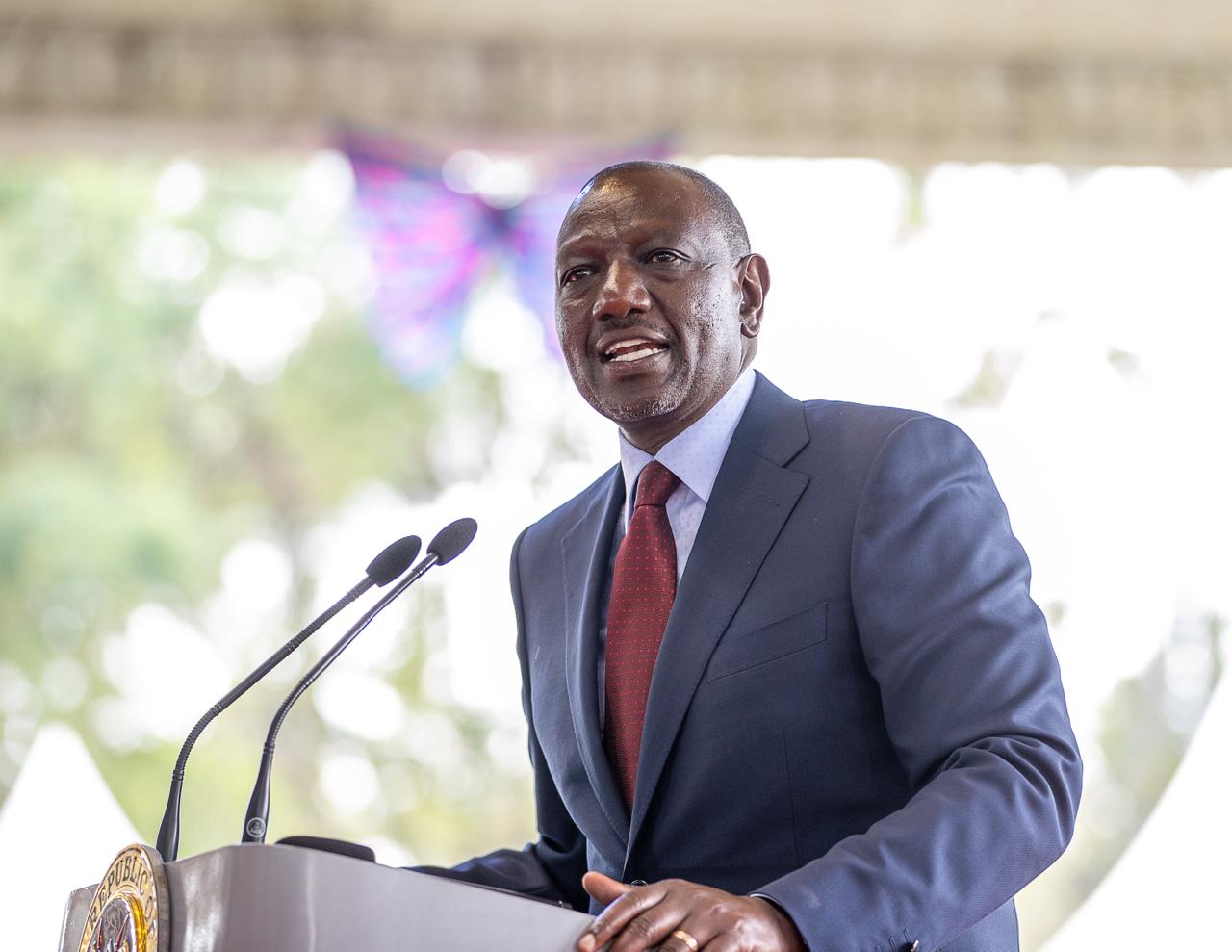
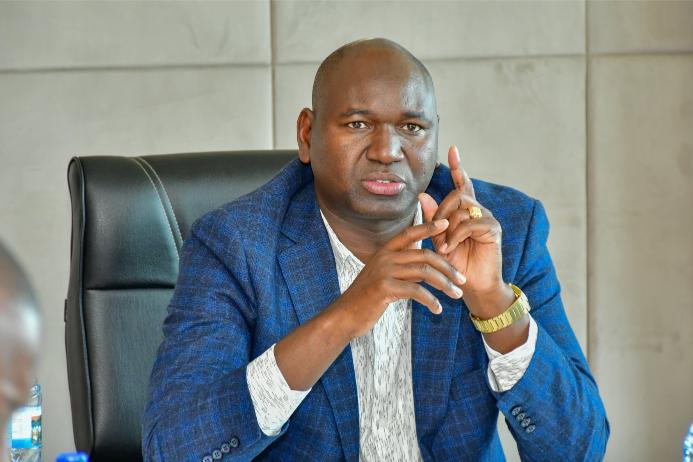
“To ensure fairness, we have adopted the CRA formula to distribute students from all counties fairly across the four school clusters. This ensures that a child from Northern Kenya has the same opportunity as one from Western Kenya to join a school in Nairobi or elsewhere,” said Basic Education Principal Secretary Julius Bitok.
Learner enrolment reflects these disparities: 512,000 students were placed in STEM, 420,000 in Social Sciences, and 115,000 in Arts and Sports. Cluster One schools enrolled 105,000 learners, Cluster Two 254,000, Cluster Three 288,000, and Cluster Four 399,000.
The placement system also considers student preferences, KJSEA scores, and available spaces.
“Selection of learners is guided by a clear framework that considers learners’ choices, performance in the Kenya Junior Secondary Education Assessment (KJSEA) and the availability of spaces in preferred schools and subject combinations,” Prof Bitok said. Learners were given 12 school choices (C1 to C4) with guidance from parents and teachers.
The CBE assessment framework combines 40 percent from the Kenya Primary School Education Assessment (Grade 6), 20 percent from continuous assessment in Grades 7 and 8, and 60 percent from KJSEA in Grade 9.
A seven-day review portal allows learners to correct errors and adjust school and pathway choices. “Being a pioneer undertaking, the government appreciates the anxieties and uncertainties surrounding the transition to Grade 10. We are committed to making the placement process transparent, fair, and satisfactory,” Bitok added.