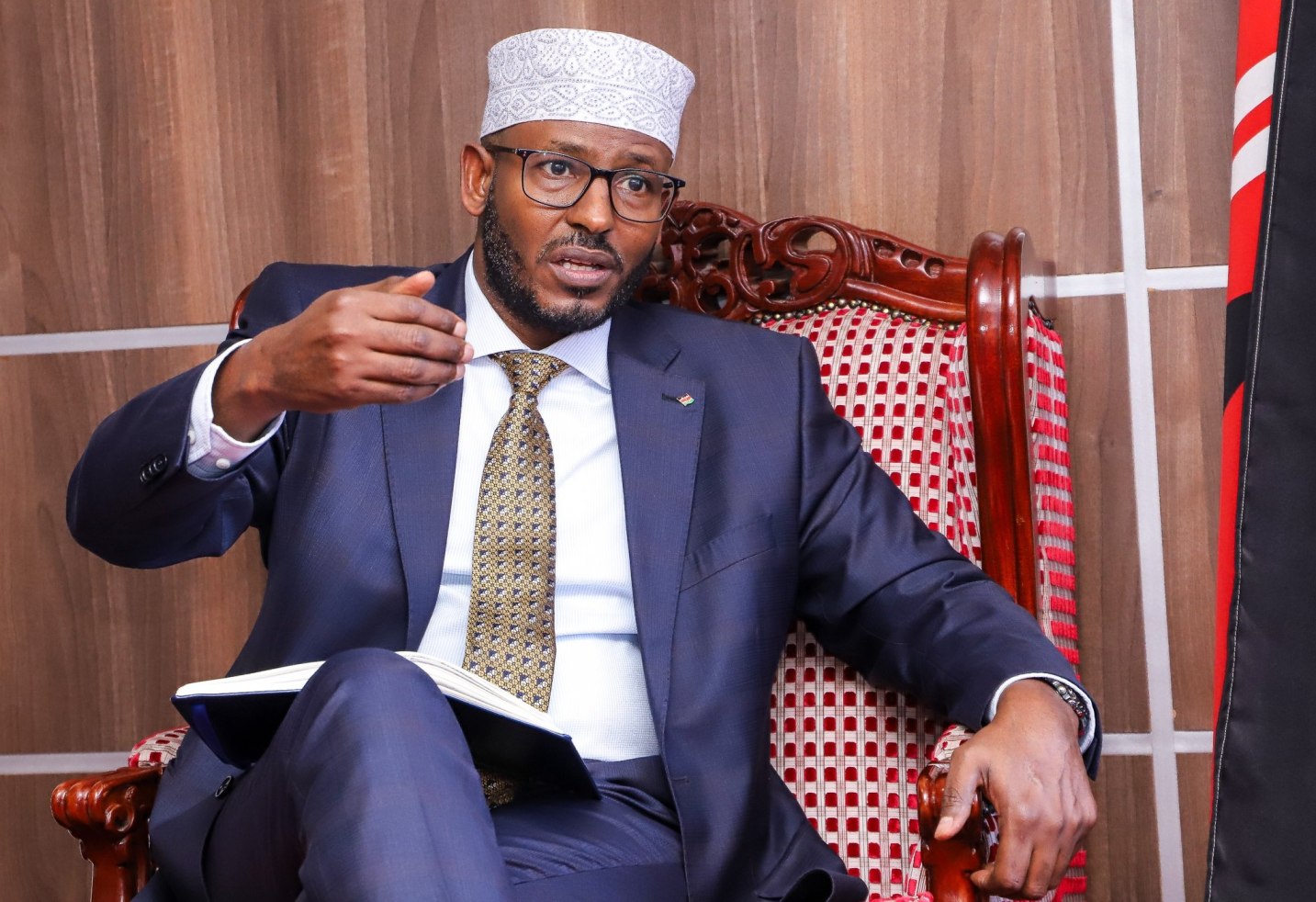
The chairman of Kenya’s Council of Governors, Ahmed Abdullahi, said impeached deputy president Rigathi Gachagua is promoting “unacceptable Somaliphobia.”
Wajir Governor Ahmed Abdullahi said his remarks risk fuelling ethnic prejudice and undermining national unity.
Governor Abdullahi rejected claims linking alleged missing public funds to Somali-owned businesses, describing them as reckless and defamatory.
He said international partners, including the United States government, have the capacity to trace illicit financial flows and identify where any missing funds may have been invested.
“The owner of BBS Mall has been a serious businessman in this country long before President William Samoei Ruto came to power,” Abdullahi said.
He defended the Nairobi-based commercial developer that has been dragged into a political debate.
The Business Bay Square (BBS) in October signed a Sh65 billion deal to develop 60 acres at the Tatu City Special Economic Zone (SEZ) in Kiambu County.
Wajir governor Ahmed Abdullahi warned that making public accusations against specific communities or businesses without evidence damages investor confidence and threatens social cohesion.
He argued that such statements shift attention away from accountability and the rule of law.
The council of Governors chair urged the owners of BBS Mall to pursue legal redress, advising them to sue Gachagua for defamation in order to protect their reputation and set a precedent against what he termed irresponsible political rhetoric.
Under the Defamation Act (Cap 36), a statement is defamatory if it lowers the reputation of a person or entity in the estimation of right-thinking members of society.
Publicly associating a named business or identifiable owners with corruption, without proof or a court finding, meets this threshold.
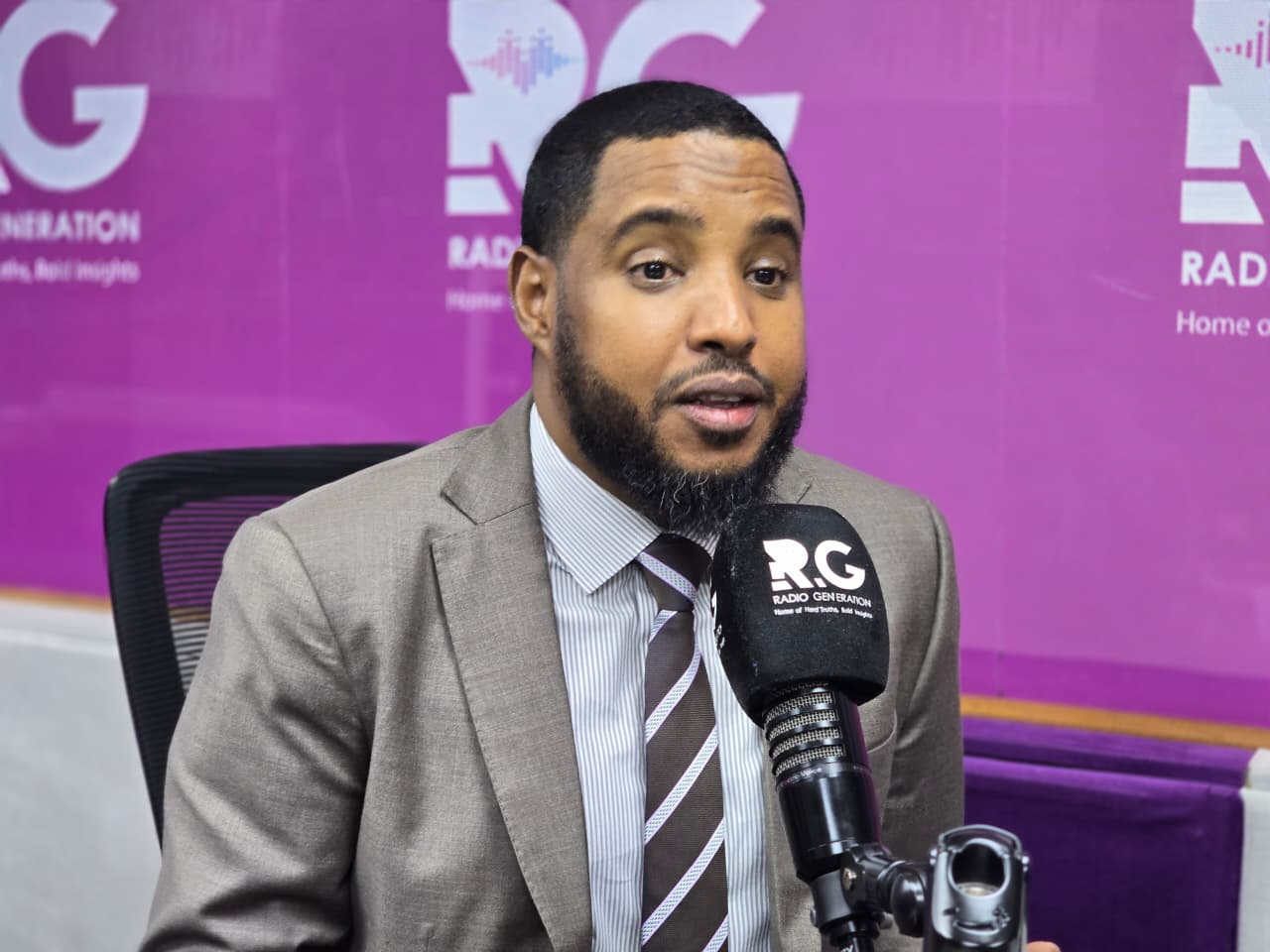
“If a senior public official alleges or implies that a specific business is connected to stolen public funds, that is prima facie defamatory unless it can be justified with evidence,” said Garissa-based analyst, Ahmed Muhumed.
“The law does not excuse defamation simply because the speaker holds high office.”
Muhumed, the regional political analyst, said there is heightened political tensions and growing concern from leaders and civil society groups over the use of ethnic profiling and inflammatory language in public discourse.
“Calls have intensified for leaders to exercise restraint and rely on evidence-based debate as Kenya navigates an increasingly polarised political climate,” he said.
He said that although political speech enjoys wide protection, ethnic targeting can push remarks beyond constitutional safeguards.
Muhumed said continued use of unsubstantiated allegations risks eroding investor confidence and normalising ethnic profiling in political discourse.






























Comments
Sign in with Google to comment, reply, and like comments.
Continue with Google