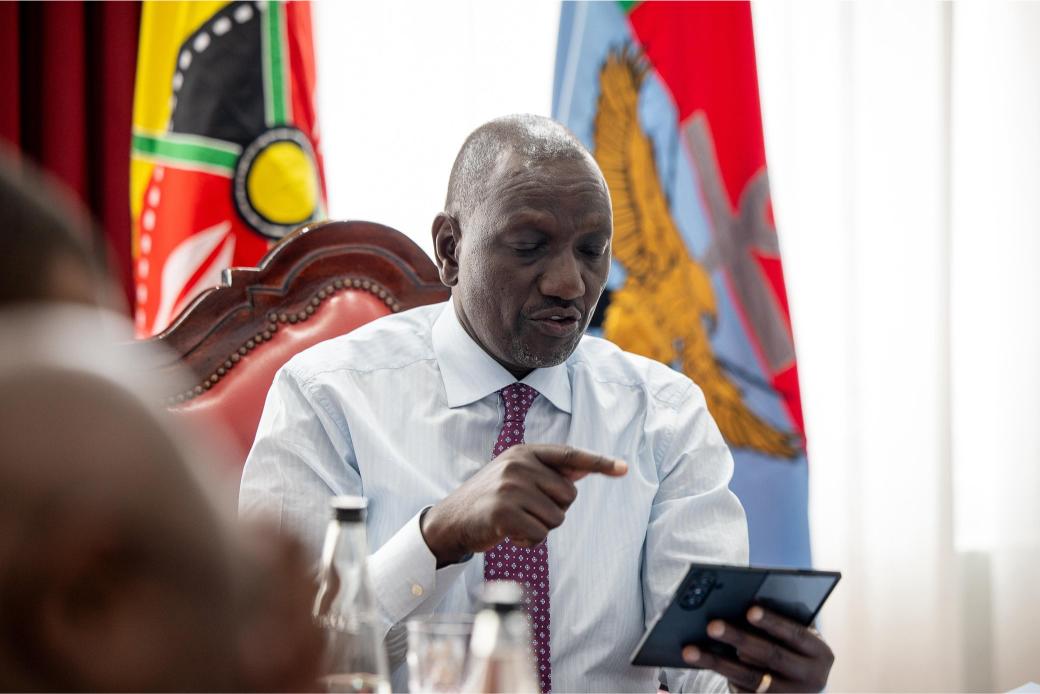
As Kenya prepares for next week’s by-elections, President William Ruto will deliver his third State of the Nation address today , outlining achievements, challenges, and government priorities ahead of the 2027 general elections.
With citizens feeling the pinch of rising living costs and critical sectors under strain, the President’s address sought to highlight progress while acknowledging areas needing urgent attention.
The speech, delivered to a joint sitting of the National Assembly and Senate, focused on healthcare, education, finance, employment, and security.
Healthcare challenges persist
Despite promises to strengthen the health system, many Kenyans continue to struggle with access and affordability. During his second State of the Nation Address on November 21, 2024, Ruto said the government would “tirelessly steer the country from the brink of unprecedented economic collapse and onto a more promising trajectory.”
“Through the Digital Health Act, we are revolutionising healthcare. Universal Health Coverage is a cornerstone of our transformational agenda and a matter that touches every Kenyan family,” he noted, citing a projected Sh122 billion expenditure.
The initiative aimed to reduce human interaction, curb corruption, and direct resources where they are most needed.
Yet, the Social Health Authority (SHA), which replaced the National Health Insurance Fund, owes Sh76 billion to private and mission hospitals, making medical services more costly. Rupha, representing at least 380 private hospitals, has demanded out-of-pocket payments and rejected SHA cards.
“Kenya will have a health system that guarantees dignity, peace of mind and equitable access for the first time since independence,” the President said.
The 2025 economic survey reports growth in healthcare infrastructure, with hospitals rising by 6.1 per cent to 15,984 and hospital beds increasing by 15.5 per cent to 115,786. Inflation dropped to 2.7 per cent in October 2024 due to better harvests, improved production, and tight monetary policies, while the import dependency ratio declined to 17.3 per cent.
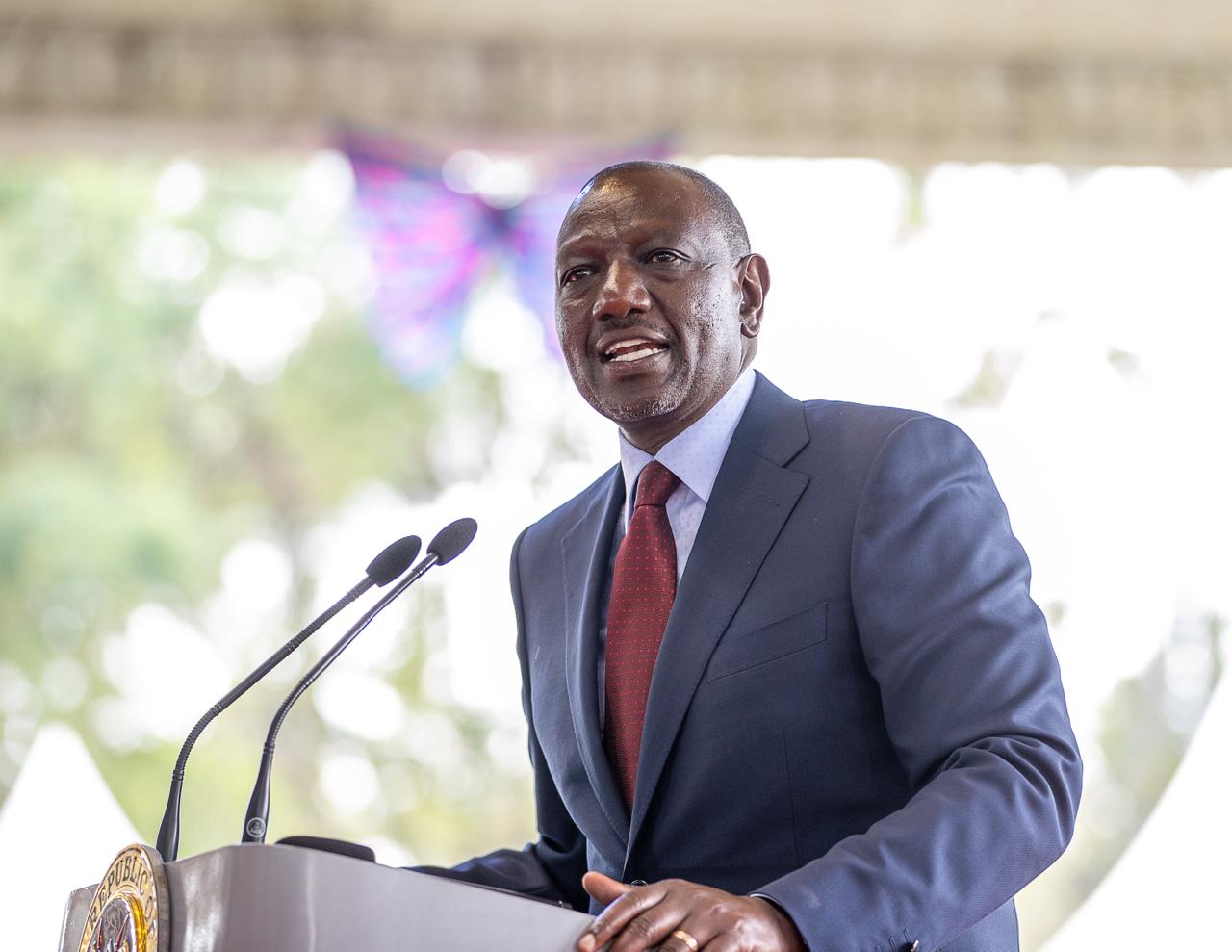
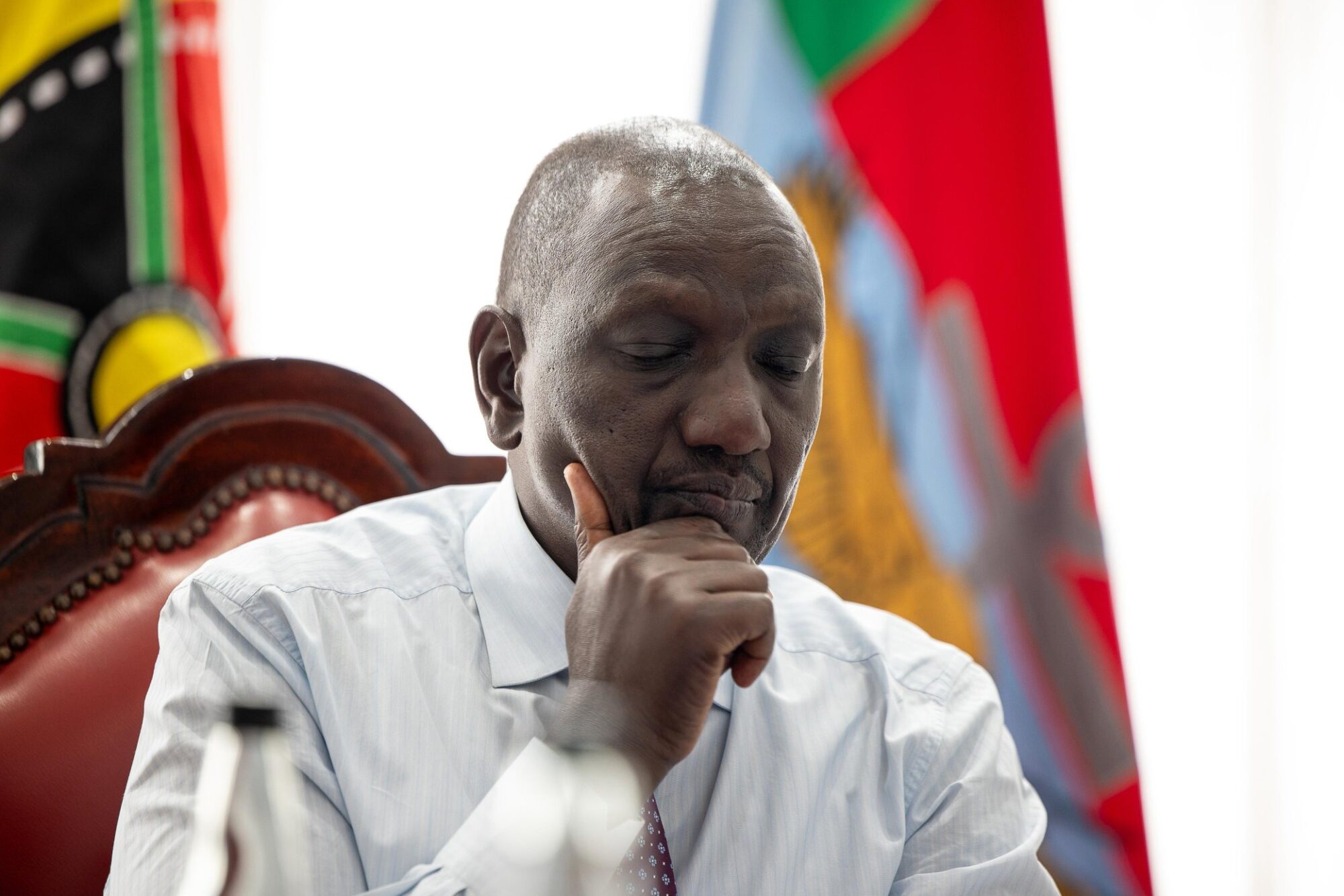 President William Ruto prepares for the State of the Nation Address scheduled for November 20, 2025.PHOTO/ PCS
Education and training developments
Basic learning institutions grew by 38.3 per cent to 129,463, while TVET centres rose to 2,756. The number of universities increased from 70 to 72, thanks to new charters for the National Intelligence Research and Tangaza universities.
Funding gaps and lecturers’ strikes have posed challenges, but the Higher Education Loans Board increased allocations by 59.5 per cent to Sh46.9 billion. Ruto also said 56,000 teachers have been hired, with plans to recruit 20,000 more by January 2025.
Economic and employment progress
The shilling appreciated from Sh162 to Sh129 against the dollar, easing external debt costs and boosting investor confidence. Kenya’s GDP grew by 4.7 per cent, with agriculture, forestry, and fishing expanding by 4.6 per cent.
Employment rose by 782,000, mostly in the informal sector, while 105,367 Kenyans found jobs abroad through the National Employment Authority, which currently lists over 560,000 openings worldwide.
Security and governance
Ruto condemned illegal arrests and excessive force, saying, “I urge Kenyans with information about such cases to forward the information to the Directorate of Criminal Investigations and the Independent Policing Oversight Authority, where they suspect members of the police service to be implicated.”
Despite these assurances, reports of kidnappings, enforced disappearances, and police abuse continue, prompting criticism from the UN Special Rapporteur on Human Rights.
The address illustrates the tension between government initiatives and persistent challenges, showing both progress and unresolved issues as Kenya heads towards the 2027 elections.