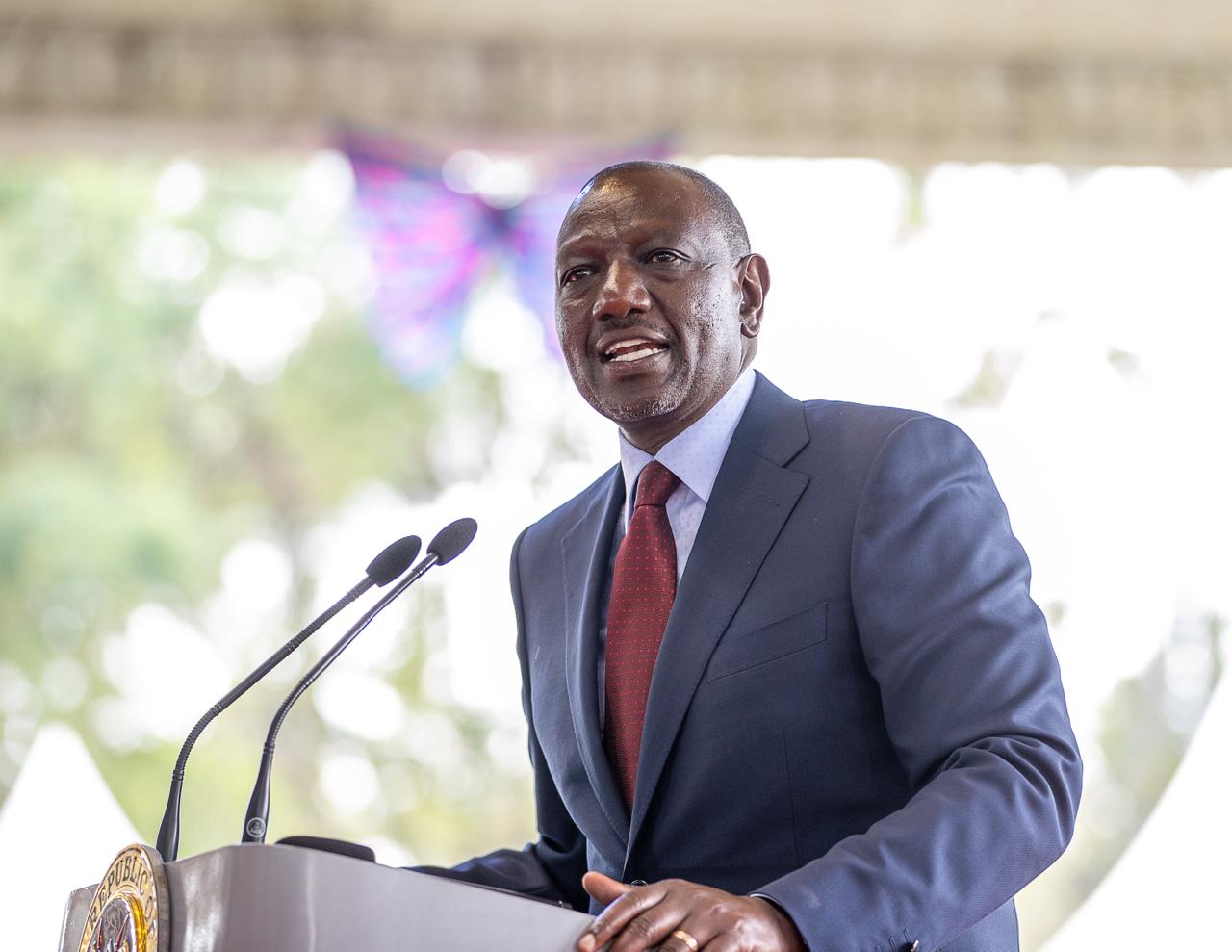
Heavy security has been mounted in and around Parliament as President William Ruto arrives to deliver the State of the Nation Address. Movement around the area slowed down from the morning hours as police rolled out a coordinated plan to manage crowds, traffic and access points.
Ahead of the address, teams from the General Service Unit and regular police were spread across key roads that feed into the National Assembly. Officers were positioned along Harambee Avenue, City Hall Way and the connecting routes to ensure controlled movement as the President made his way to the precinct.
The presence of uniformed officers, patrol vehicles and barricades created a controlled environment, with security teams guiding movement and checking access along the perimeter.
Motorists approaching the area encountered diversions, while those already inside the central business district had to adjust their routes as officers directed them through open sections of the road network.
Pedestrians also faced changes in normal access, with officers asking them to use different footpaths or alternative walkways to avoid congested points. This was part of an early plan to prevent crowding around Parliament as the President’s arrival drew close.
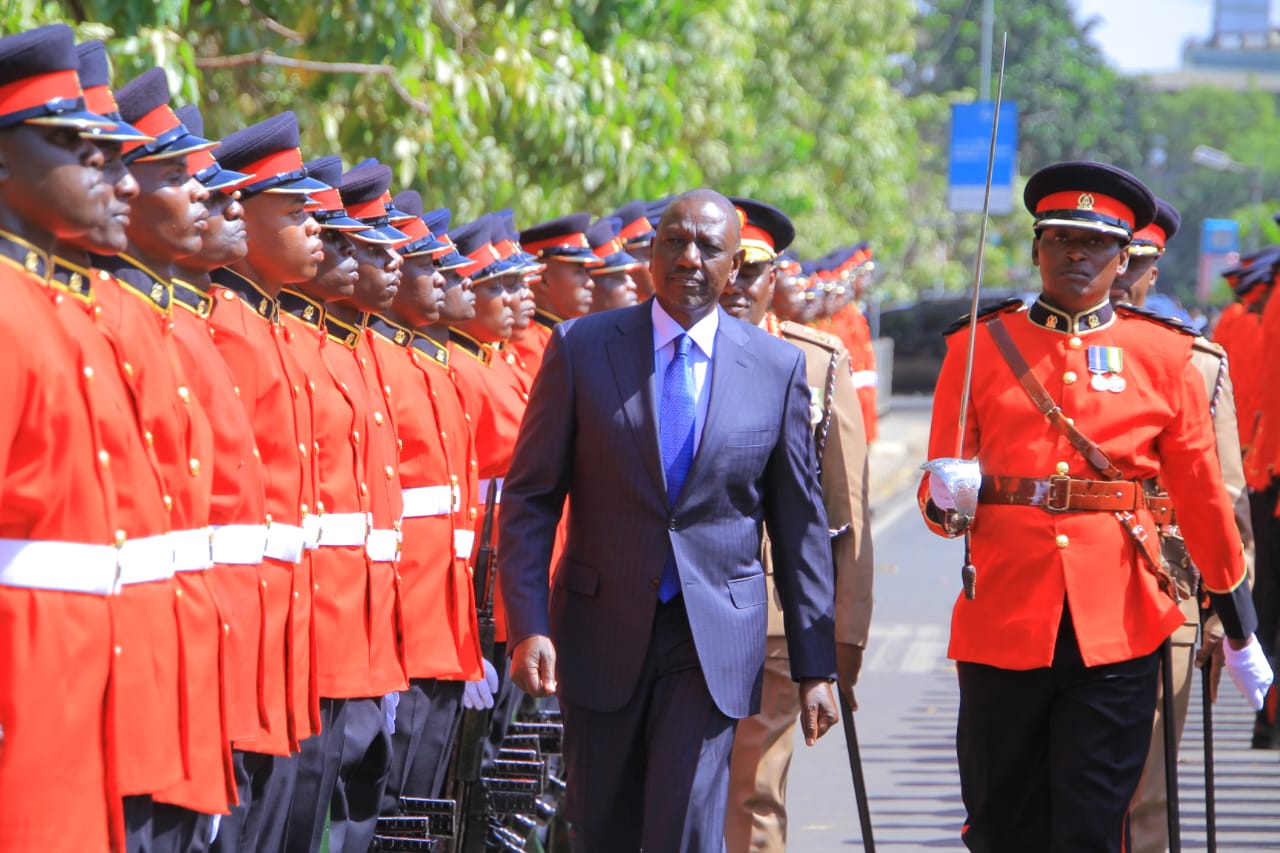
A screengrab shared shortly after showed President Ruto entering the Parliament compound for the address, marking the start of the afternoon session.
He first conducted a guard of honour before getting itno Parliament. The arrival was accompanied by a brief buildup of movement outside the gates as officers reorganised traffic to allow official vehicles through.
With some roads temporarily shut, traffic marshals assisted drivers to keep vehicles moving on open lanes. They were seen stepping in to guide cars around corners, stop oncoming traffic when needed, and clear intersections where congestion started to build up.
Officers on foot patrolled several points around the precinct, ensuring a steady flow and preventing people from gathering too close to the restricted areas.
The adjustments were part of a security pattern often applied during major national events, especially those hosted within the central business district. The aim was to reduce pressure around Parliament, maintain order and ensure the President’s arrival and entry took place without disruptions.