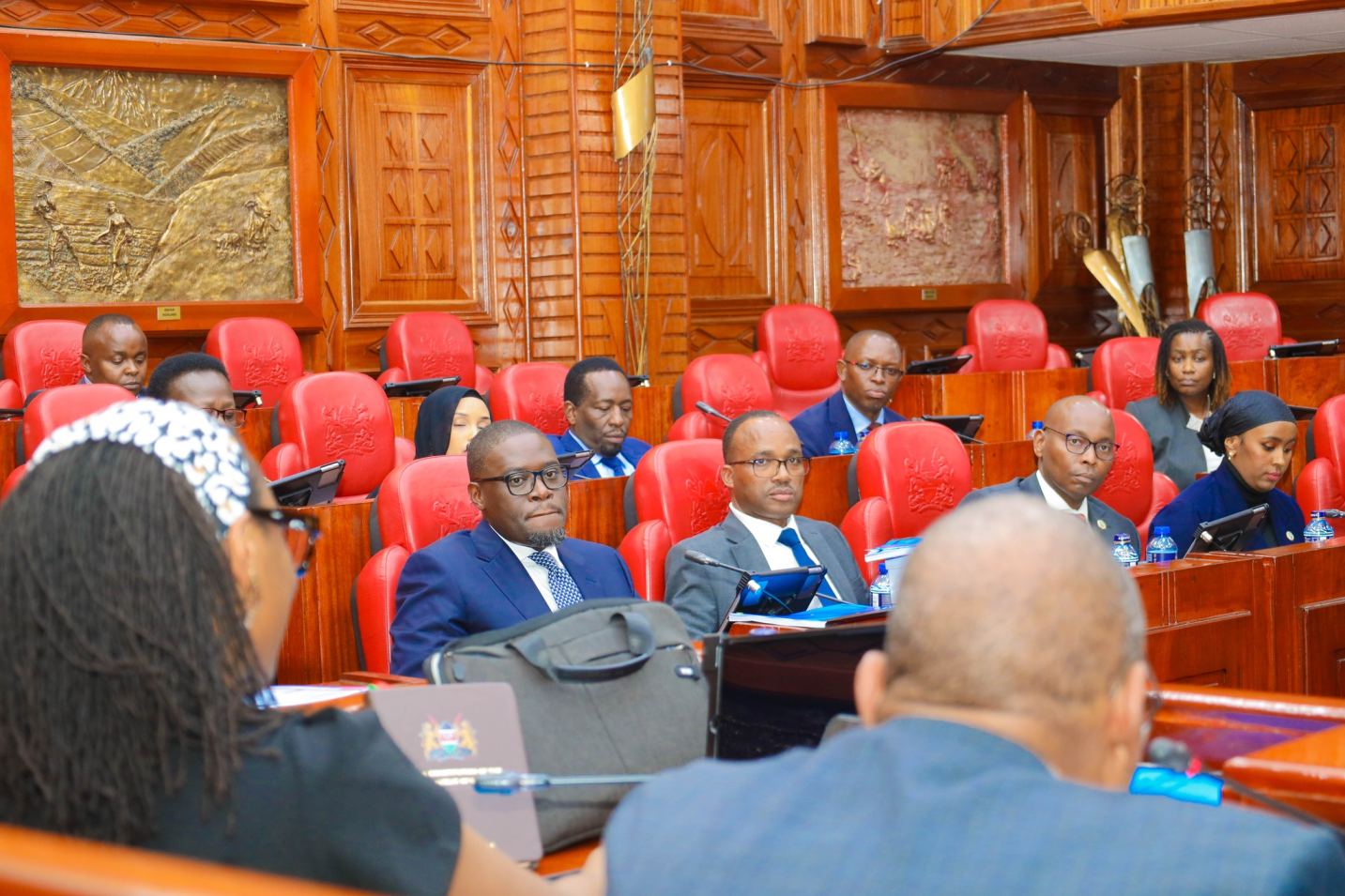
Nairobi Governor Johnson Sakaja has told senators that his administration has managed to ease part of the financial load it found at City Hall by cutting down the huge pending bills accumulated over the years. He said the county walked into office facing a heavy Sh118 billion backlog, a figure that included Sh16 billion left behind by the defunct Nairobi Metropolitan Services.
Sakaja appeared before the Senate Committee on Devolution on Monday to explain the status of development projects and the county’s spending for the 2022/2023 financial year. He said that through various reforms, the amount owed has now reduced to Sh86 billion, showing a Sh32 billion drop in about three years.
“Sh118 billion in pending bills is a lot of money — that’s what we found. The amount has reduced to Sh86 billion in three years,” Sakaja told senators.
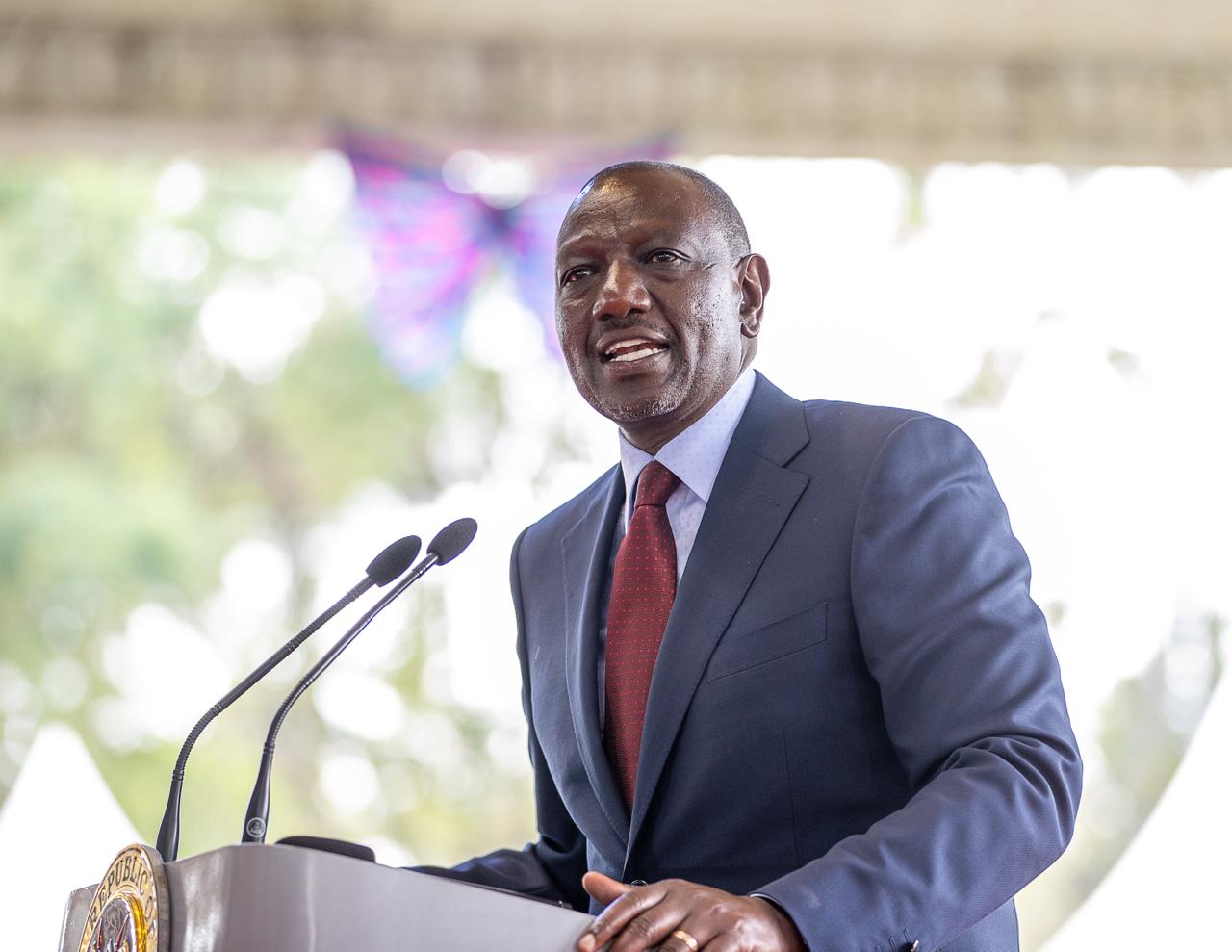
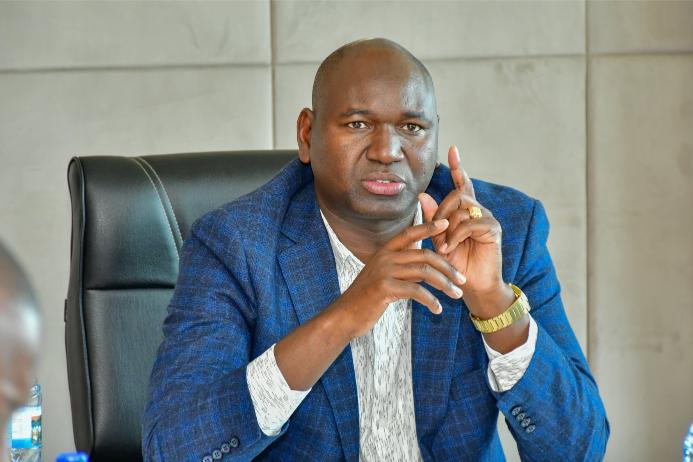
Governor Sakaja
“To raise more revenue, we digitised our collection platforms and shifted from multiple business permits to a single permit system, which has boosted revenue and enhanced service delivery,” he said.
Sakaja maintained that NMS left behind Sh16 billion worth of pending bills connected to incomplete works.
The governor reported that the county collected Sh13.8 billion in own-source revenue this financial year, compared to Sh10.8 billion when he took office, calling it Nairobi’s highest performance so far.
“We have raised the bar and hope to achieve even more this financial year,” he said.
He also outlined ongoing development works across the city, including markets, stadiums and other social projects. Through the Ward Development Fund, he said more than 140 projects have been finished across the 85 wards. These include roads, ECDE centres, social halls and sports facilities.
Major projects underway include improvements at Woodley, Kihumbuini and City Stadiums.
Speaking on security lighting, Sakaja said progress would be much quicker if Nairobi received a rightful share of money collected through electricity charges. He said residents pay about Sh8 billion every year in power bills, which includes the Rural Electrification Levy, despite Nairobi not falling under rural areas.
“We have begun conversations to ensure part of this money can be used to light our streets for security. We are confident of finding a solution,” he said.
Sakaja added that the county is working with the national government on Sh2.1 billion worth of road improvements, saying residents can already see changes on the ground.
He however faulted the way national road funding is shared.
“Counties manage about 70% of Kenya’s road network but receive only Sh3 billion out of Sh119 billion allocated nationally. If counties manage 70% of the roads, they should get 70% of the funds,” he said.