Kenya Power allocated a smaller portion of its procurement budget to youth, women, and persons with disabilities than required under the constitutional AGPO programme, awarding only 11 per cent to these groups in the year ending June 2025.
The utility, however, reported that the total value of tenders given to these groups rose sharply to Sh3.5 billion, marking a 470 per cent increase from the previous year.
Auditor General Nancy Gathungu said in her report: “Review of the company’s approved procurement plan for the year under review revealed that only 11 per cent of the procurement budget was reserved for disadvantaged groups.” The shortfall shows the difficulty of meeting AGPO targets, especially in years when State corporations focus on highly technical projects that marginalised suppliers cannot easily access.
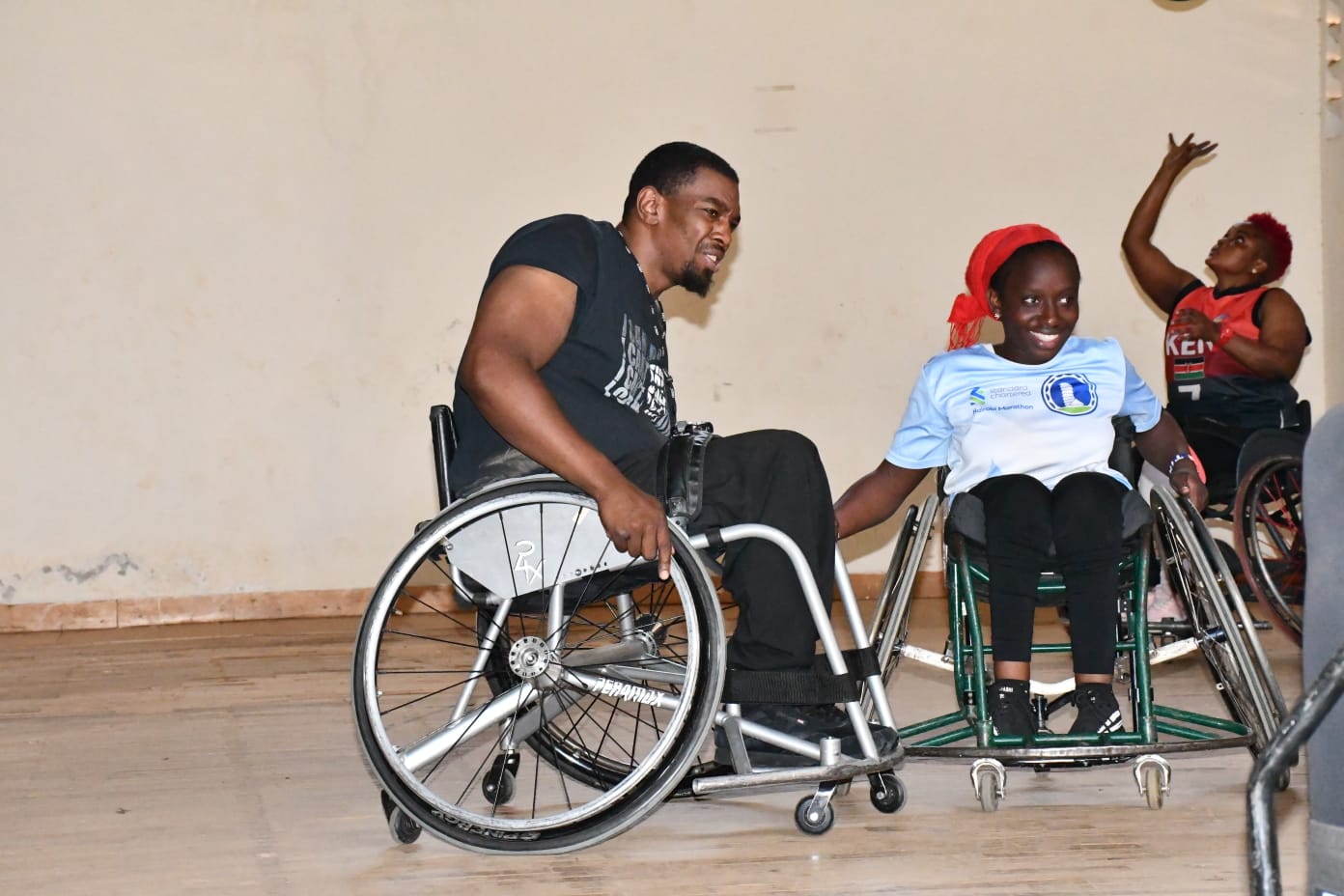
Breaking down the Sh3.5 billion awarded under AGPO, youth-owned businesses received Sh2.2 billion, women-owned businesses Sh1.25 billion, and businesses owned by persons with disabilities Sh66.7 million.
AGPO, introduced under the Public Procurement and Asset Disposal Act, 2015, requires State entities to reserve 30 per cent of tenders for youth, women, and persons with disabilities, usually for common goods and basic services.
Kenya Power joins other State-owned firms being audited for AGPO compliance. Kenya Electricity Generating Company (KenGen) recorded Sh2.23 billion in AGPO contracts against a target of Sh2.57 billion for the same period.
To boost inclusion, Kenya Power said it will expand training and sensitisation initiatives for suppliers and provide detailed guidance on bidding and feedback procedures. John Ngeno, General Manager for Supply Chain and Logistics, said the measures aim to “address barriers that persons with disabilities, in particular, continue to face.”
The utility also intends to partner with financial institutions to make funding more accessible, ensure all departments allocate common-user items to AGPO suppliers, and speed up payment cycles.
These steps are part of a broader plan to build inclusive and sustainable procurement practices across the company and strengthen participation of youth, women, and persons with disabilities.