Kenya’s electricity system relies on a combination of geothermal, hydro, thermal, wind, and solar power, carefully balanced to meet daily demand peaks, particularly between 6 pm and 10 pm, when most households are using appliances.
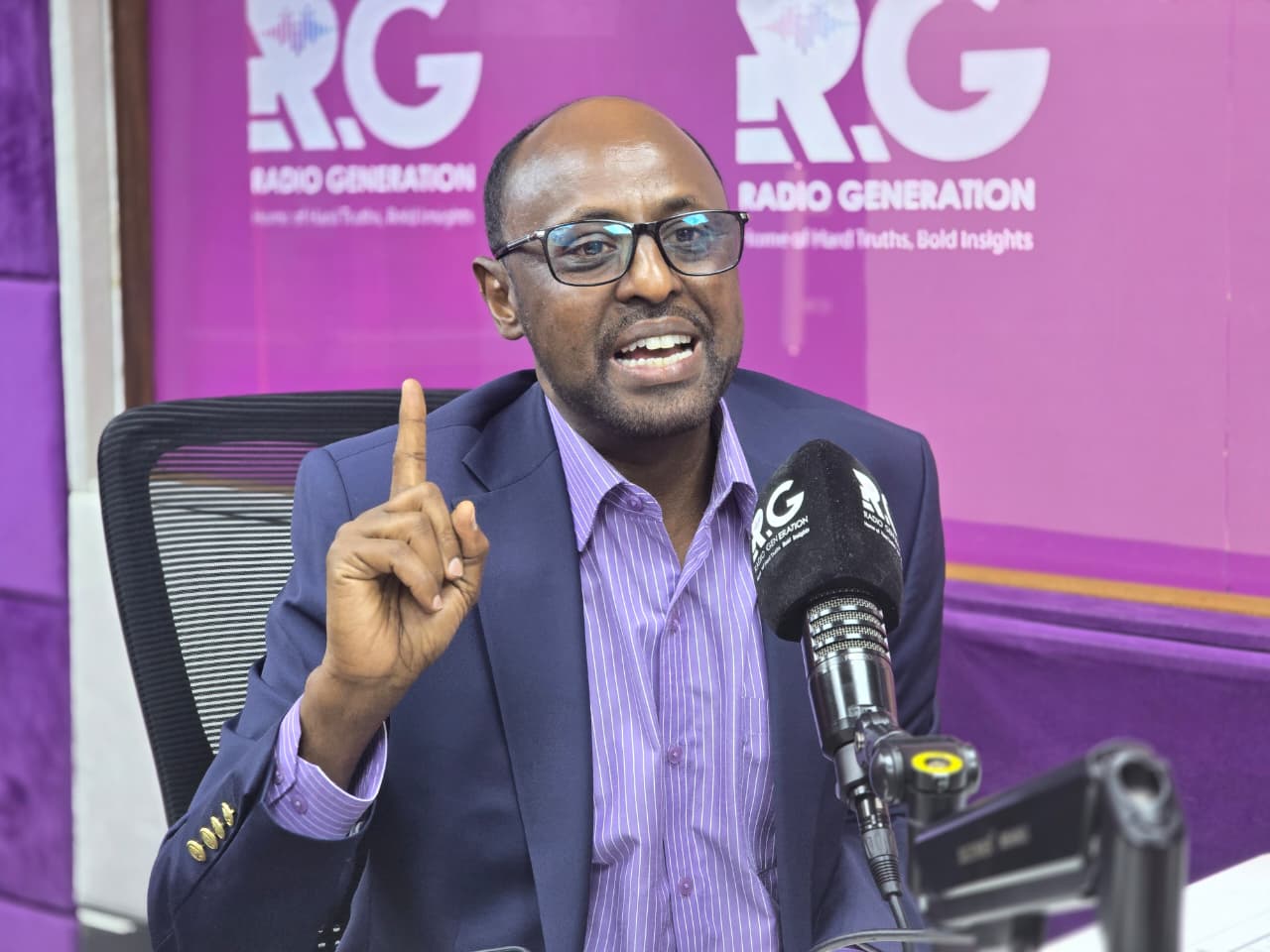
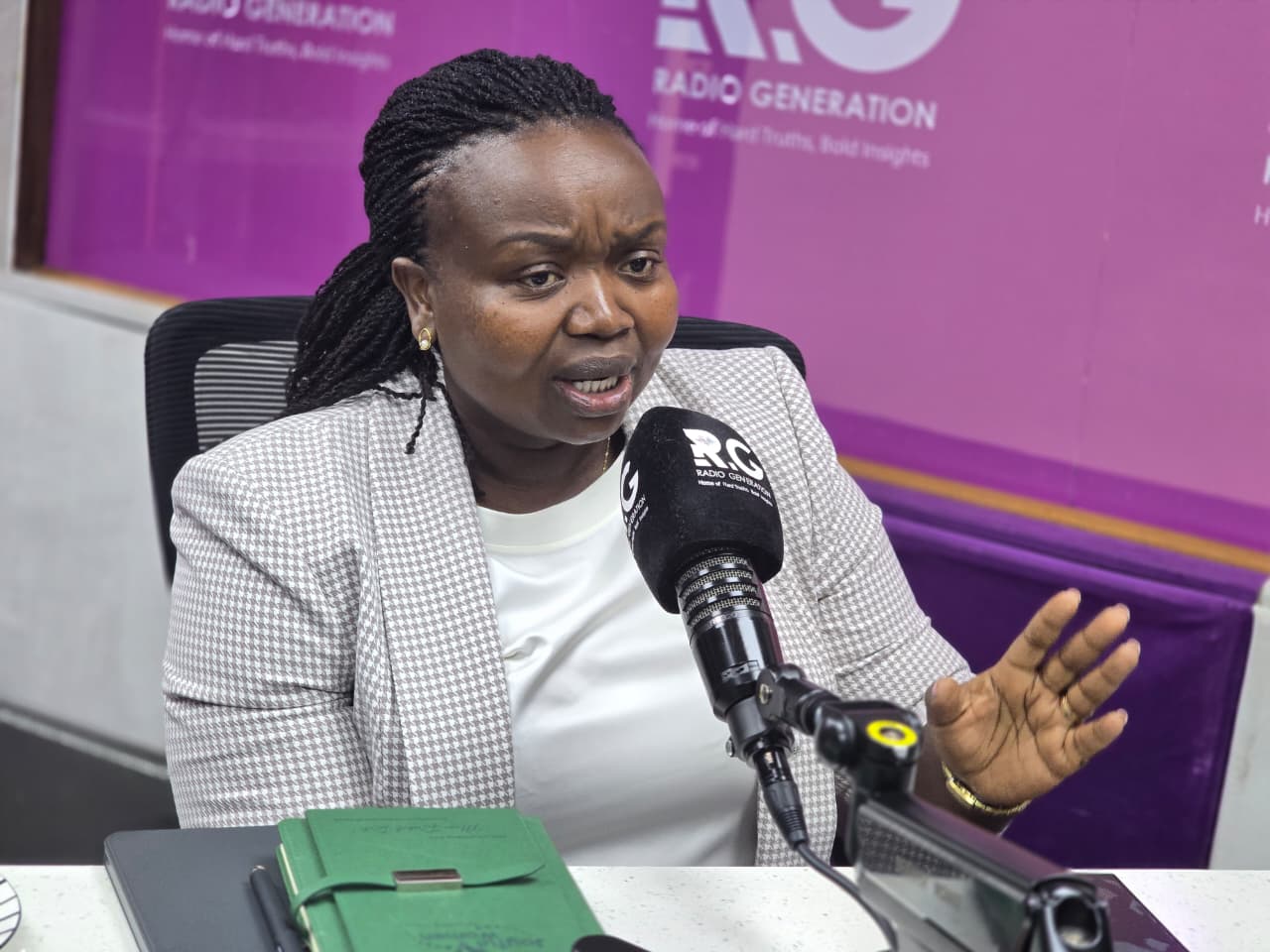
Speaking to Radio Generation, Veska Kangogo, Advisor on Strategy and Execution in the Executive Office of the President and former KPLC board member, explained how engineers manage this complex system.
“It depends on what we call installed capacity. How much installed capacity do we have? In Kenya, we have close to 3800 megawatts of installed capacity,” she said on Wednesday.
Kangogo detailed the power mix in Kenya, noting that geothermal energy forms the base of electricity production, followed by hydro, which is reliant on rainfall.
“Then we have, we still have thermal or wind power. And this is power that is generated using heavy oil, fossil oil, diesel, yes, and that helps us in stabilizing the power because you can control thermal power, because once you put the diesels on, it will permanently pump into the system,” she said.
Solar energy, the Advisor added, is intermittent and dependent on sunlight hours, making real-time monitoring essential.
Engineers at the control center constantly adjust the supply from each source to maintain stability.
“It is now the responsibility of the engineers at the control center to look at what we are getting from geothermal, what we are getting from hydro, what we are getting from how much supply of thermal should we input so that we stabilize the source of electricity throughout the day, depending on the demand,” Kangogo stated.
Load shedding remains a tool to balance supply, particularly to prioritize essential services like hospitals and security installations.
“You cannot say the security installations in Kenya can actually do without power hospitals. So if you are in a region where there is, like Nairobi, we have several feeders,” Kangogo explained.
This allows power to be temporarily reduced in lower-risk areas while critical zones continue to receive electricity.
Recent government investments have reduced blackouts in western Kenya, particularly in Kisumu, Kericho, Muhoroni, and Busia.
Kangogo cited upgrades to transmission lines, including the completion of the Lessos-Karbanet station, which shortens the distance electricity travels and improves distribution.
Manufacturers are also being encouraged to operate at night to take advantage of lower electricity rates and less demand.
“When we last reviewed the power tariff, we encouraged manufacturers to introduce a 24 hour manufacturing cycle, or even encourage them to produce more at night. If you produce between 10 o’clock and 3 am, you pay half the rate,” Kangogo noted.
The combined effect of strategic investments, careful power balancing, and targeted tariff incentives has improved reliability, ensuring Kenyans experience fewer outages and better quality power.