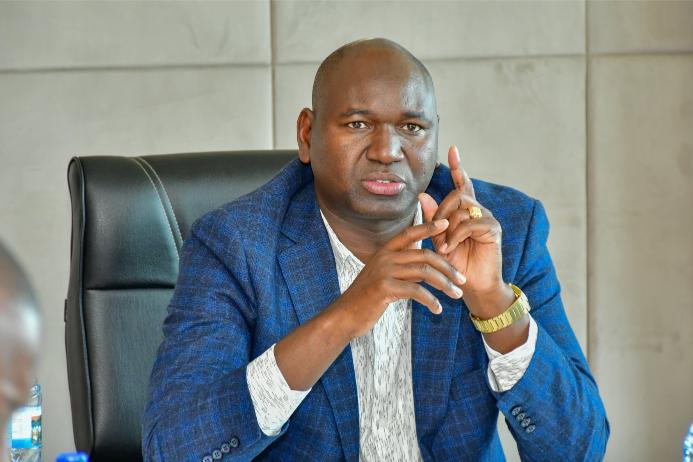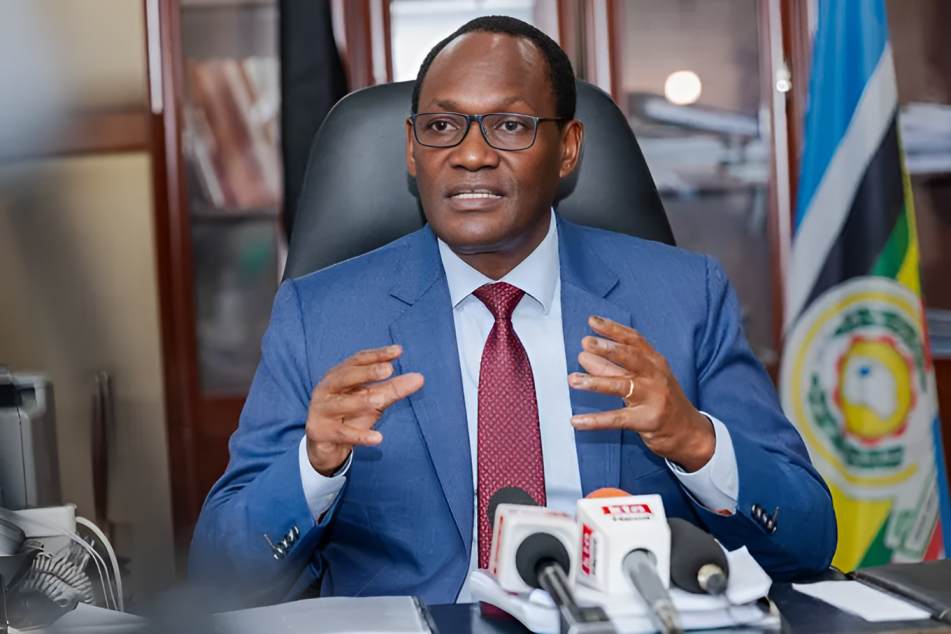
Kenya’s economy is showing signs of recovery and growing stability in 2025, with improved growth, easing inflation, and stronger foreign exchange reserves, according to National Treasury Principal Secretary Chris Kiptoo.
Speaking during an interview on Citizen TV’s Sunday Live on December 21, 2025, Dr Kiptoo said the economy is performing better than it did three years ago, despite setbacks experienced in 2024.
He noted that economic growth slowed last year following disruptions linked to protests, but has since rebounded.
According to Kiptoo, Kenya recorded economic growth of 4.9 per cent in the first quarter of 2025 and 5 per cent in the second quarter, with the Treasury estimating growth above 5 per cent in the third and fourth quarters. Overall growth for the year is projected at between 5.2 and 5.3 per cent.
Kiptoo said Kenya’s growth performance compares favourably with global and regional averages.
“The average growth rate for the world is around 3.1 per cent. For Sub-Saharan Africa, it is about 4.5 per cent, so Kenya is among the faster-growing economies,” he said, while adding that higher growth of at least 10 per cent is needed to significantly raise per capita incomes.
He said all sectors of the economy have registered positive growth, with mining expanding by about 15 per cent and construction returning to positive growth after a period of contraction. Services such as transport, logistics and financial services have also grown.
On macroeconomic stability, the PS said inflation has eased significantly, falling from 9.6 per cent in October 2022 to about 4.5 per cent in 2025.
Interest rates have declined sharply, with Treasury bill rates trading below 8 per cent, compared to highs of about 18 per cent previously. He also said the exchange rate has stabilised, supported by government interventions in the debt market.
Kenya’s foreign exchange reserves now stand at more than $12.1 billion, equivalent to 5.2 months of import cover, up from below four months three years ago.
The improved outlook has been reflected in credit ratings, with Moody’s and Fitch revising Kenya’s outlook from negative to positive, and Standard & Poor’s upgrading the country’s rating from B-minus to B.
Despite the improved indicators, PS Kiptoo acknowledged that many Kenyans are yet to feel the benefits. He cited data from the Kenya National Bureau of Statistics showing declines in the prices of key commodities. A kilogramme of sugar fell from about Sh280 in November 2023 to between Sh158 and Sh182 in November 2025, while petrol prices declined from about Sh218 to around Sh186 per litre over the same period.
“The CPI clearly shows that inflation has declined,” he said, while acknowledging that many households still feel financial pressure due to constrained incomes.
Kenya’s public debt currently stands at Sh11.5 trillion, equivalent to about 64 per cent of GDP.
Dr Kiptoo said roughly 55 per cent of the debt is domestic, with the remainder external. Debt servicing is consuming nearly half of government revenue, with about Sh1.1 trillion budgeted for interest payments in the current financial year.
He said the government is pursuing fiscal consolidation to stabilise debt by increasing revenue collection and controlling expenditure. The Treasury aims to broaden the tax base without raising tax rates, noting that a small proportion of Kenyans currently shoulder most of the tax burden.
PS Kiptoo said the government’s focus remains on stabilising the economy while laying the groundwork for sustainable growth in the coming years.