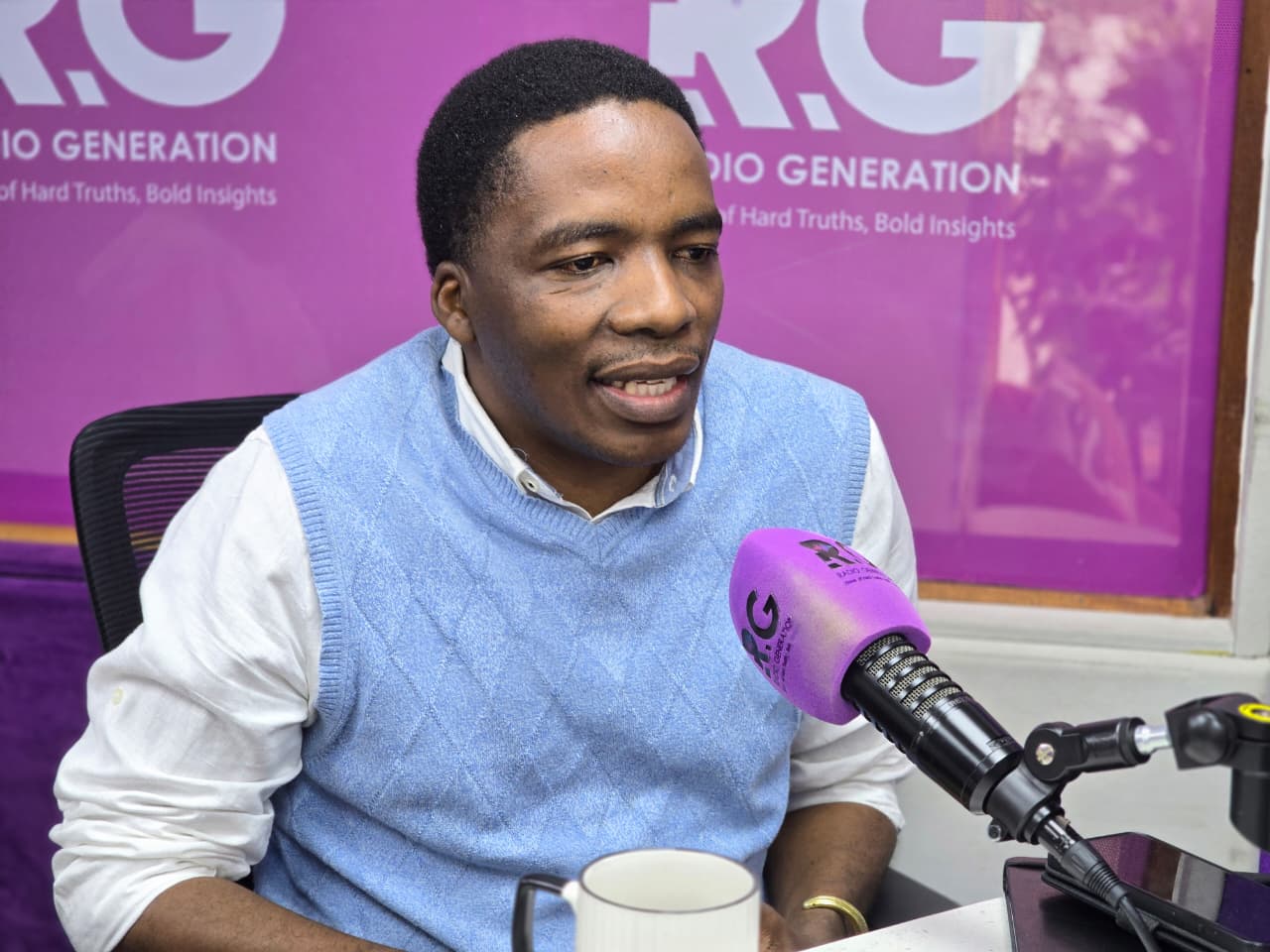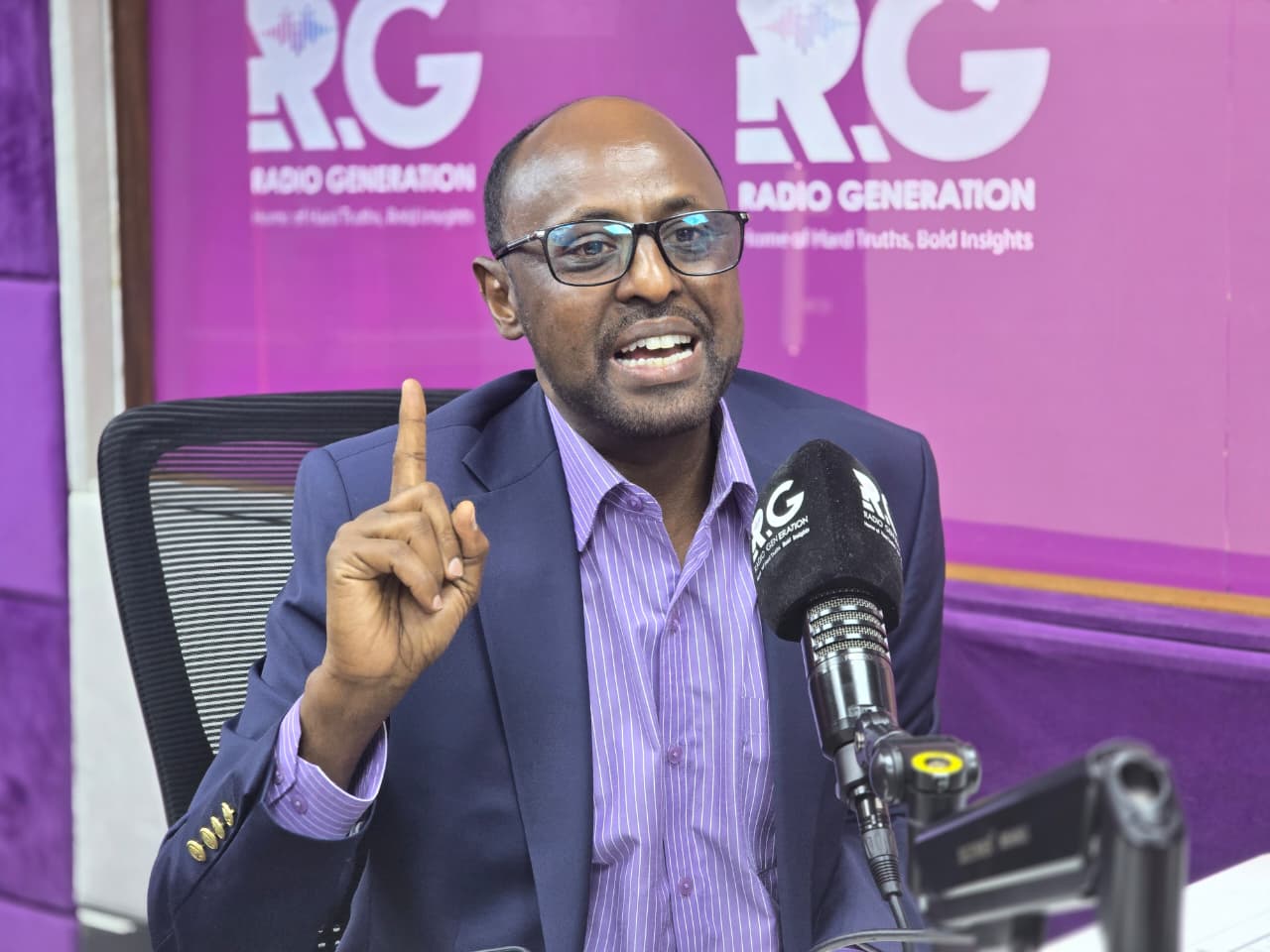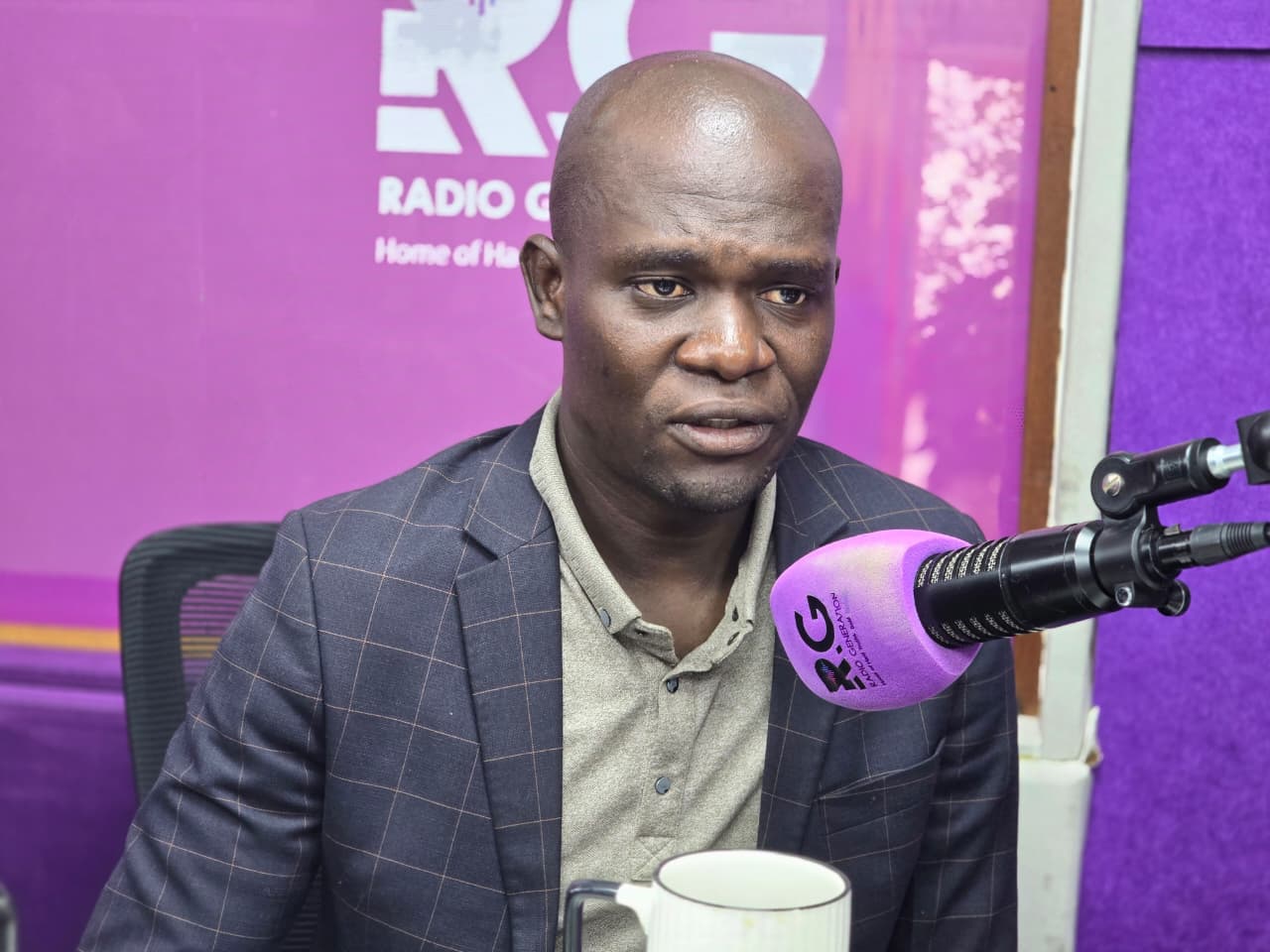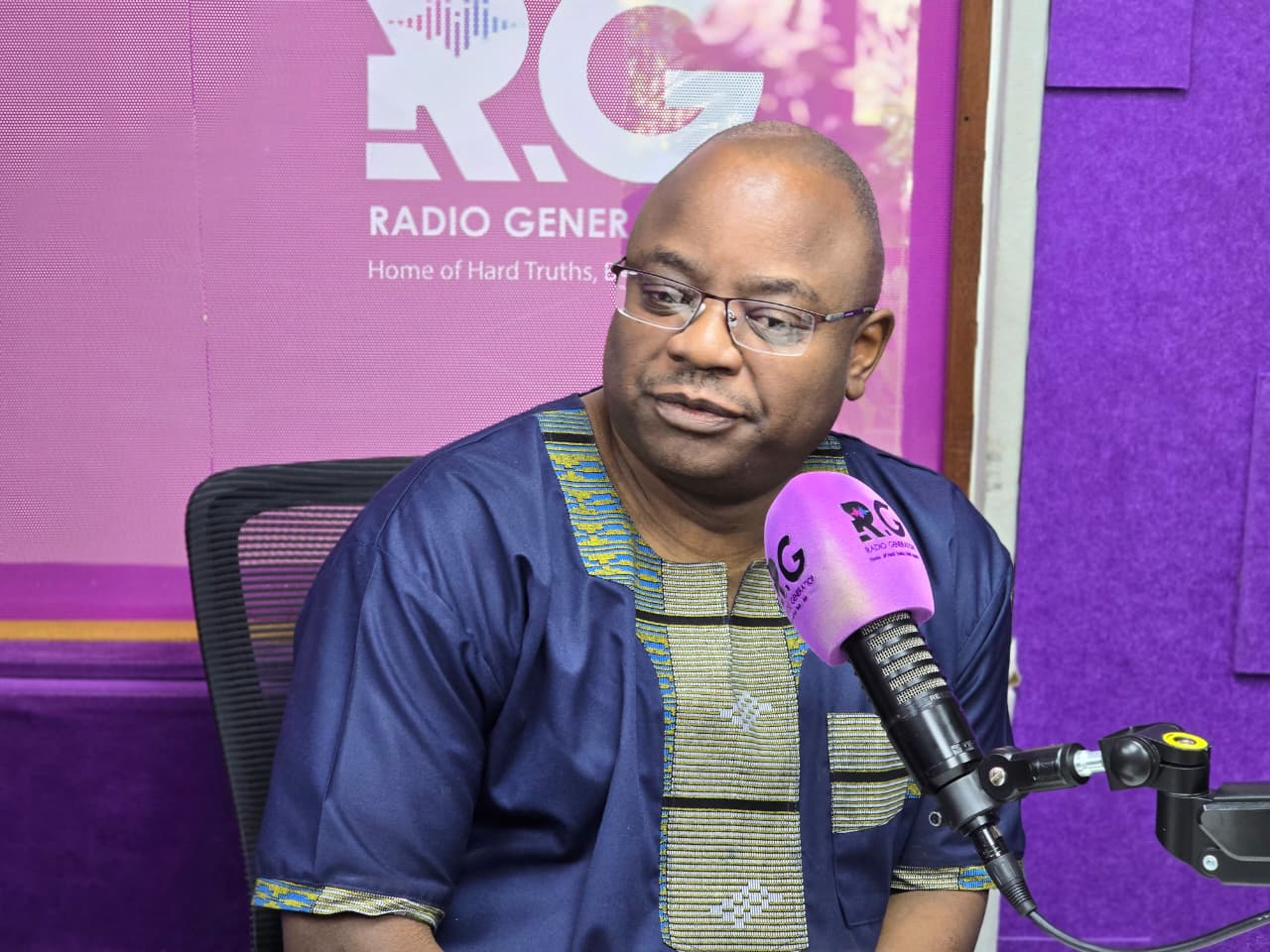
Political analyst Dismus Mokua has questioned the legality of the US seizure of Venezuela’s leader, saying the episode exposes the limits of international law in the face of raw power.
He argues the incident offers lessons for Africa and Kenya on pursuing national interests, leadership courage, and the political costs of breaking from the status quo.
Speaking during a radio interview on Monday, he said the operation had unsettled many governments because it challenged conventional understandings of sovereignty and legality.
Mokua pointed to reactions from Europe and Africa, noting what he described as hesitation among some leaders. He said the British prime minister had “tiptoed around the issue” when asked whether the operation was legal or a breach of international law. By contrast, he praised African states that had taken clearer positions, saying countries such as Ghana, South Africa and Namibia “deserve a pat on the back”.
At the same time, he expressed admiration for the operational capability of the US military, describing the seizure as being carried out “with the precision of a surgeon”. He said it demonstrated how a powerful state could identify, track and arrest a head of state who knew he was wanted and “deliver him to the country to face justice”.
Mokua rejected suggestions that the action reflected a selective pursuit of leaders who were not democratically elected.
“That argument falls flat,” he said, arguing that if Washington were targeting dictators alone, it would have “lost for choice”. Instead, he said the episode showed that the United States was pursuing its interests “selfishly, to the hilt”.
Drawing historical parallels, he recalled earlier US interventions, including the arrest of Panama’s former leader, Manuel Noriega, who was also airlifted to the United States to face drug charges.
He argued that the Venezuela case revived a deeper debate about whether international law could restrain a dominant power.
“It raises a very fundamental question, if you’re going to have one powerful state come and turn everything upside down,” he said.
The analyst suggested that the concern among many countries stemmed from the precedent set by such actions. He warned that the perception of a state able to “pick you from wherever you are” and control the global narrative through influence over international media was deeply unsettling.
Turning to Africa and Kenya, he said the episode reaffirmed the importance of states building economic, military and technological strength if they wanted their voices heard globally.
“If you want your voice to be heard, just have some biceps,” he said, likening global politics to village meetings where influence lay with the person who is going to cut the cheque.
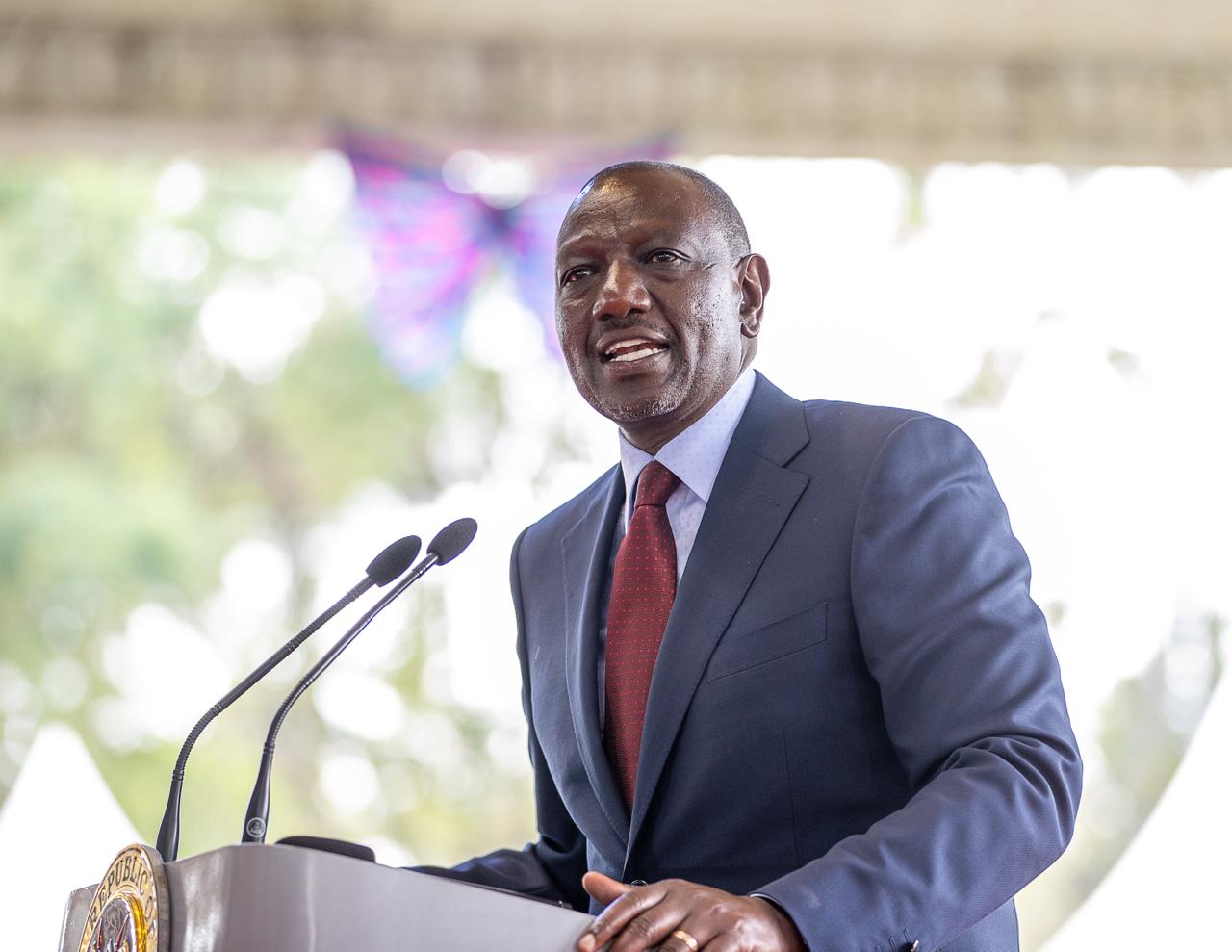
He also linked the discussion to Kenya’s domestic politics and reform agenda, arguing that progress required breaking from the status quo. Referring to President William Ruto’s reform efforts, he said there was “no way you are going to make progress if you do things the same way”.
He acknowledged that radical reforms often created discomfort and resistance, especially among those benefiting from existing systems.
“Not everybody is going to be happy,” he said, adding that leaders might even lose an election for pushing through change.
However, he stressed that in a democratic society, leaders had a duty to carry citizens along. He warned of a trust deficit, saying that without public confidence, even well-intentioned reforms would be viewed with suspicion.
In his assessment, the events in Venezuela and debates around Kenya’s reforms shared a common lesson, power, leadership and credibility matter as much as legal frameworks.
He argued that countries and leaders willing to challenge inertia and pursue their interests decisively were more likely to shape their futures, even as they faced criticism and risk.